Lunchball
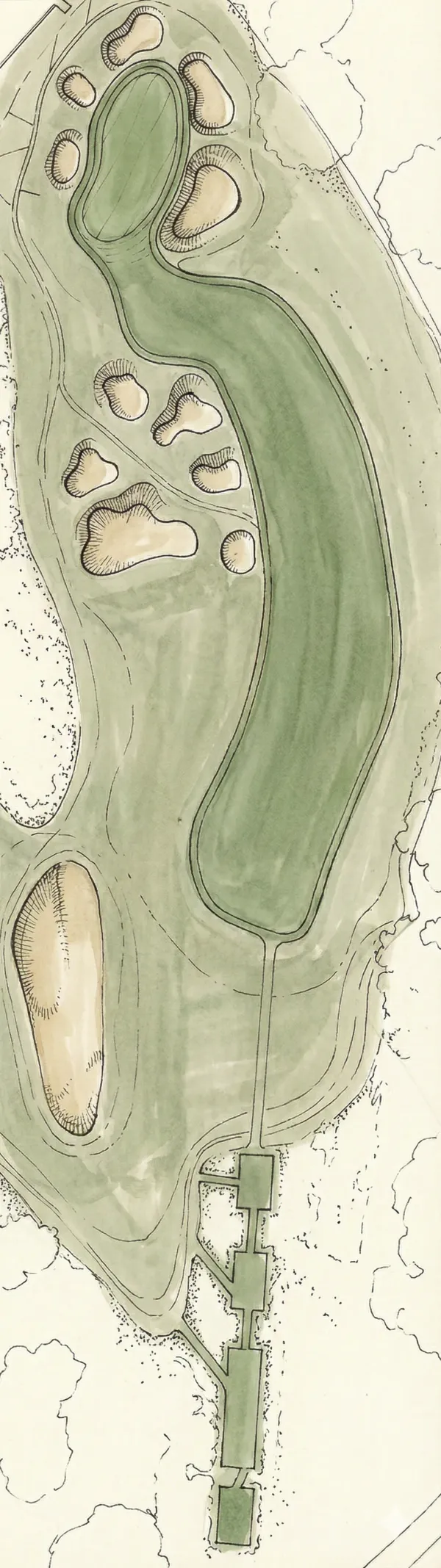
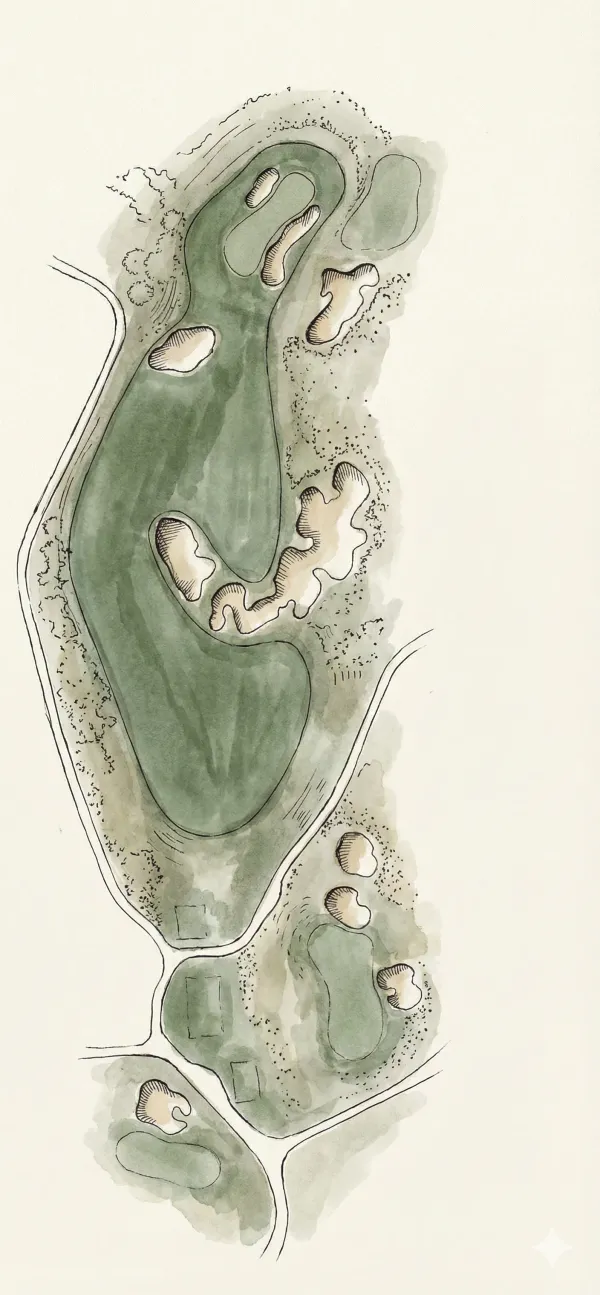
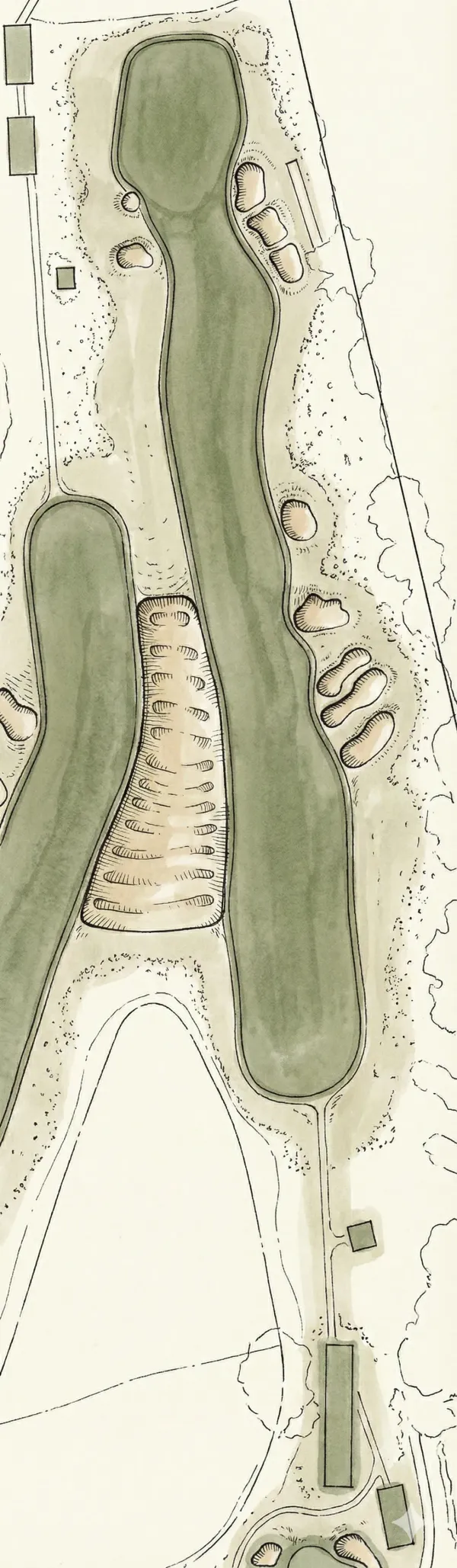
Oakmont is not a place of leisure; it is an examination of one’s competency with a club. Stripped of its trees during a ruthless restoration, the course now reveals the heaving, clay-heavy topography of Western Pennsylvania in its naked aggression. The land does not roll gently; it heaves and slumps, marked by the infamous ditches that serve as drainage and hazard alike. There is no framing here, only the stark horizon and the endless visual pressure of the bunkering.
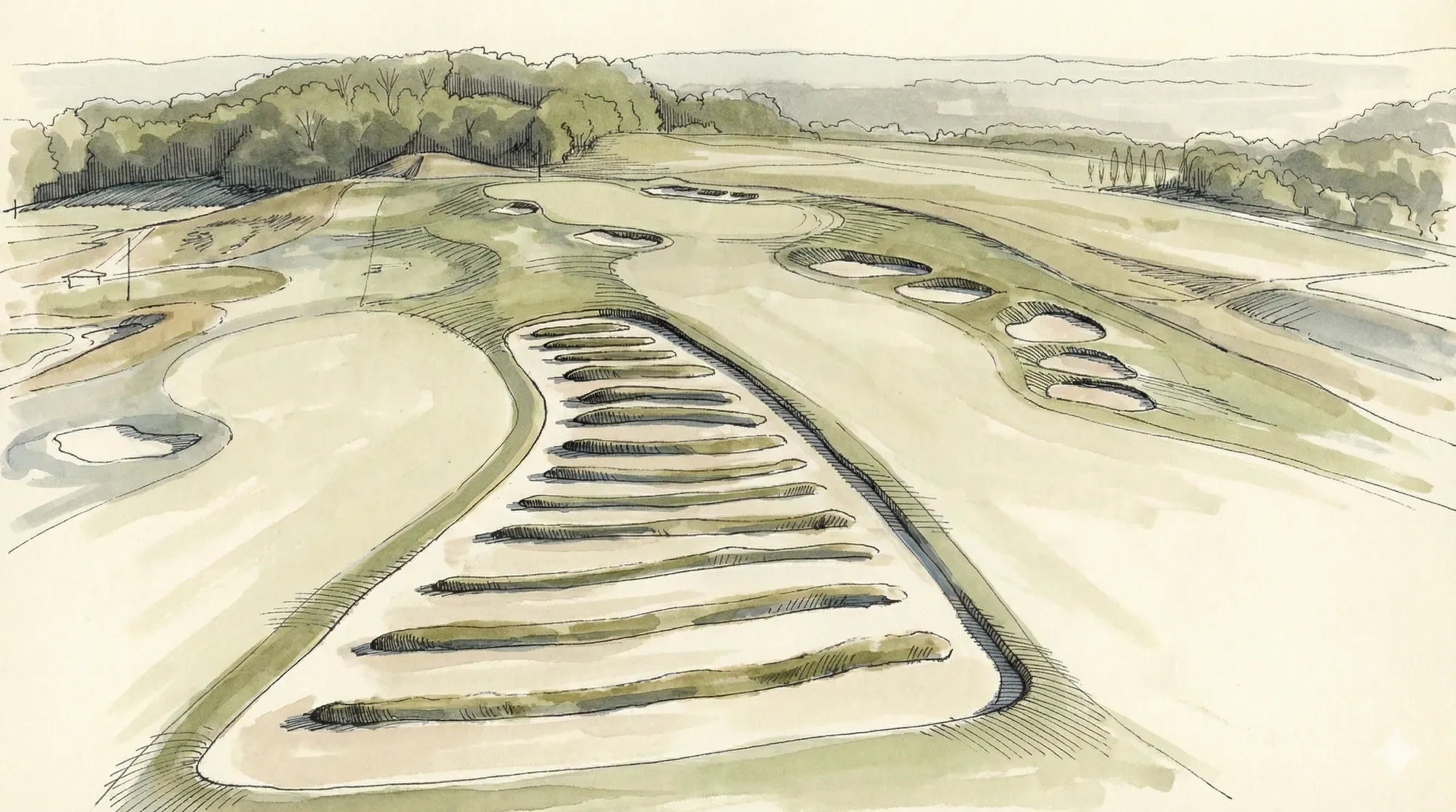
The greens are the true adversary. They possess a terrifying velocity, sloping away from the player with a severity that renders modern green speeds nearly unmanageable. To putt at Oakmont is to negotiate with gravity on terms you did not set. A distinct lack of water hazards suggests a certain fairness, but the bunkers—deep, furrowed, and relentless—impose a penal architecture that fell out of fashion elsewhere but remains the law here.
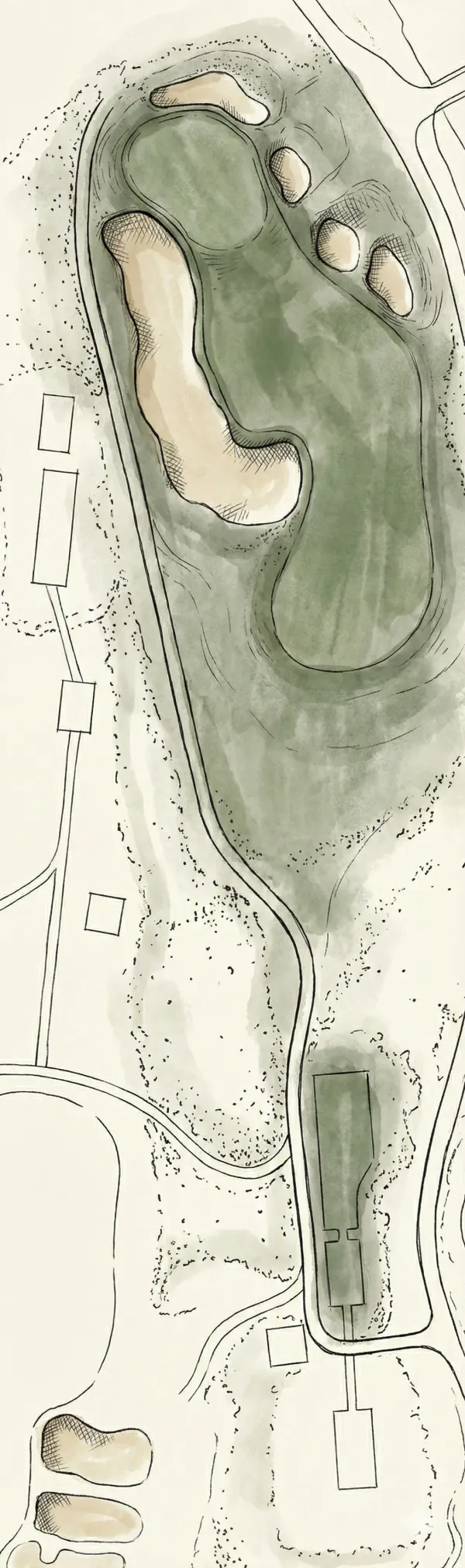
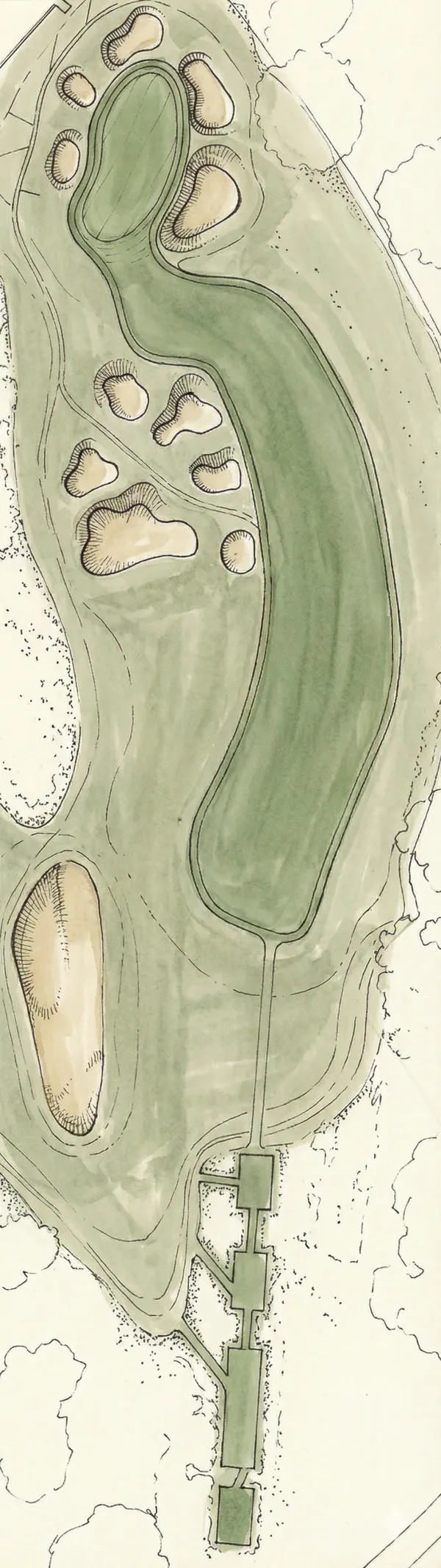
The 17th, known as ‘Big Mouth,’ encapsulates the strategic tension of the routing. It is a drivable par 4 that baits the player into a mistake. The fairway climbs uphill, culminating in a green guarded by the gaping bunkers that give the hole its name. The geometry suggests a layup to the flat, but the ego suggests the driver. The result is often a recovery shot played from the sand, blind, to a surface that refuses to hold a grudge or a golf ball.