Lunchball
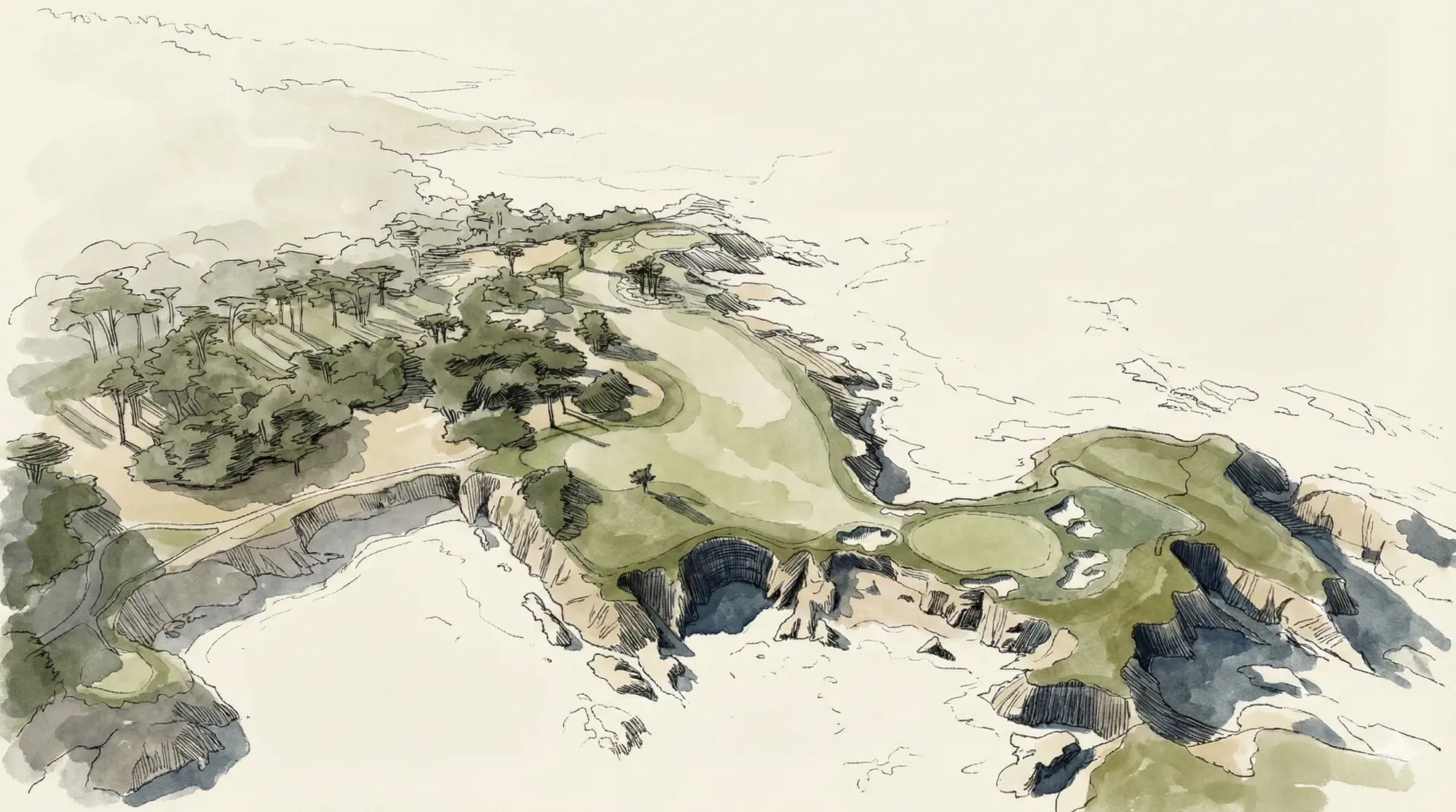
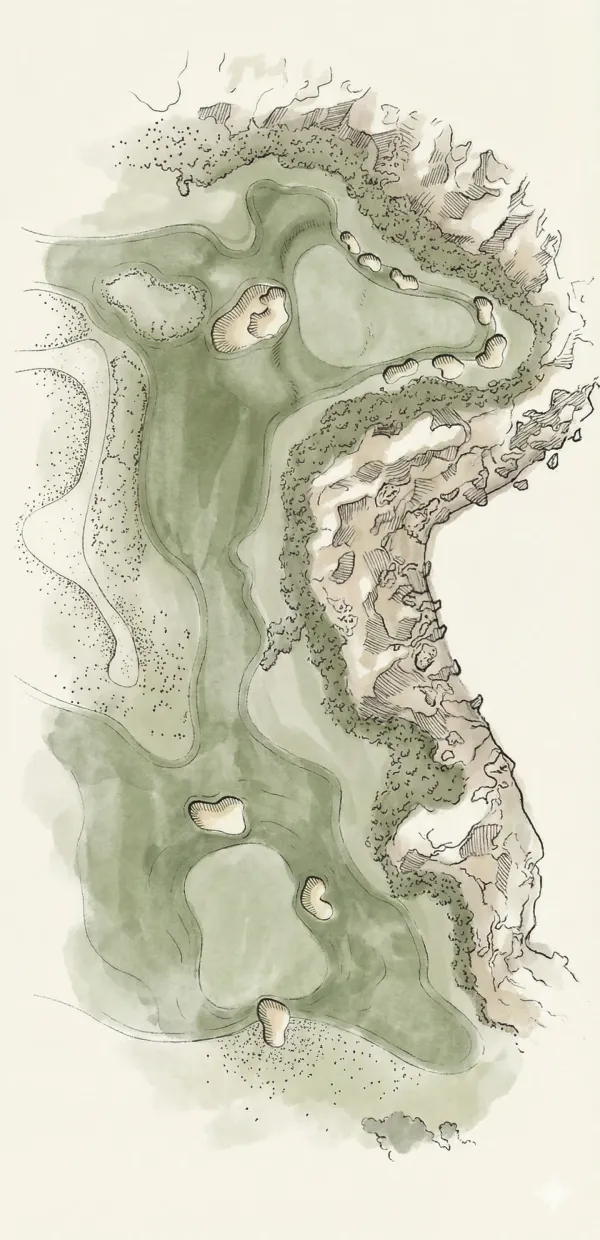
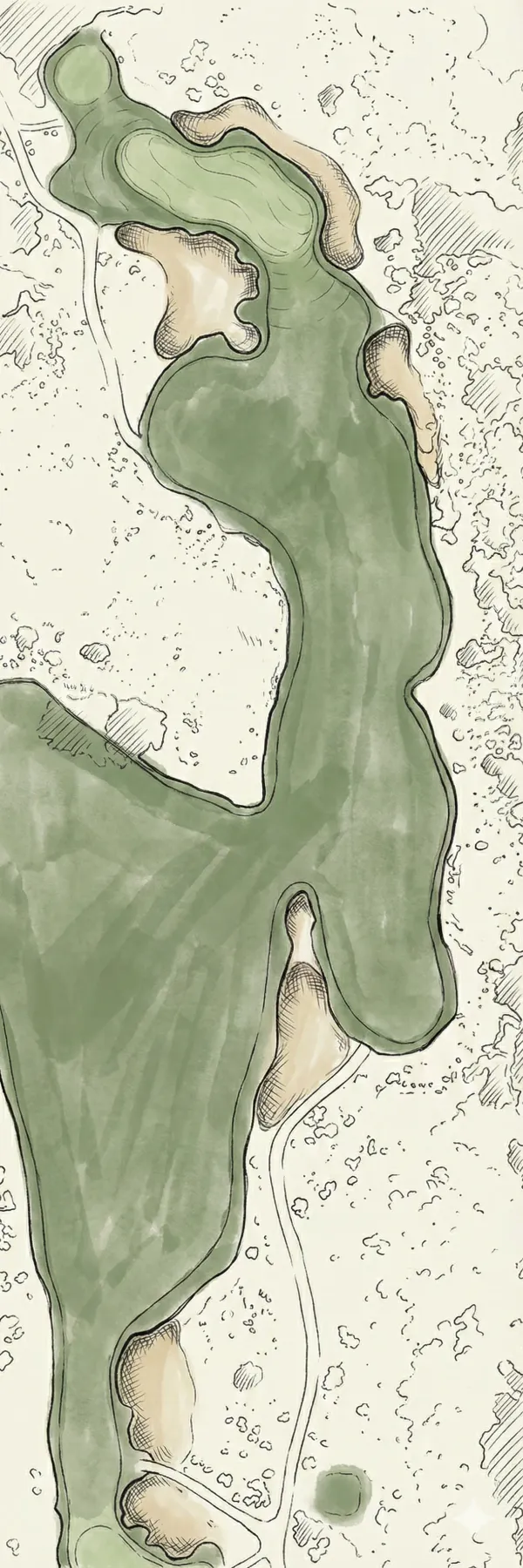
To discuss Cypress Point is to analyze a three-act play written upon the edge of the continent. The routing begins in the heavy silence of the Del Monte Forest, weaving through twisted pines and heaving dunes. It is here, away from the ocean, that the strategic genius of MacKenzie and Hunter is most evident. They did not conquer the land; they exposed it. The fairways are cambered spines that repel indifferent drives, and the bunkering is ragged, mimicking the erosion of wind and time.
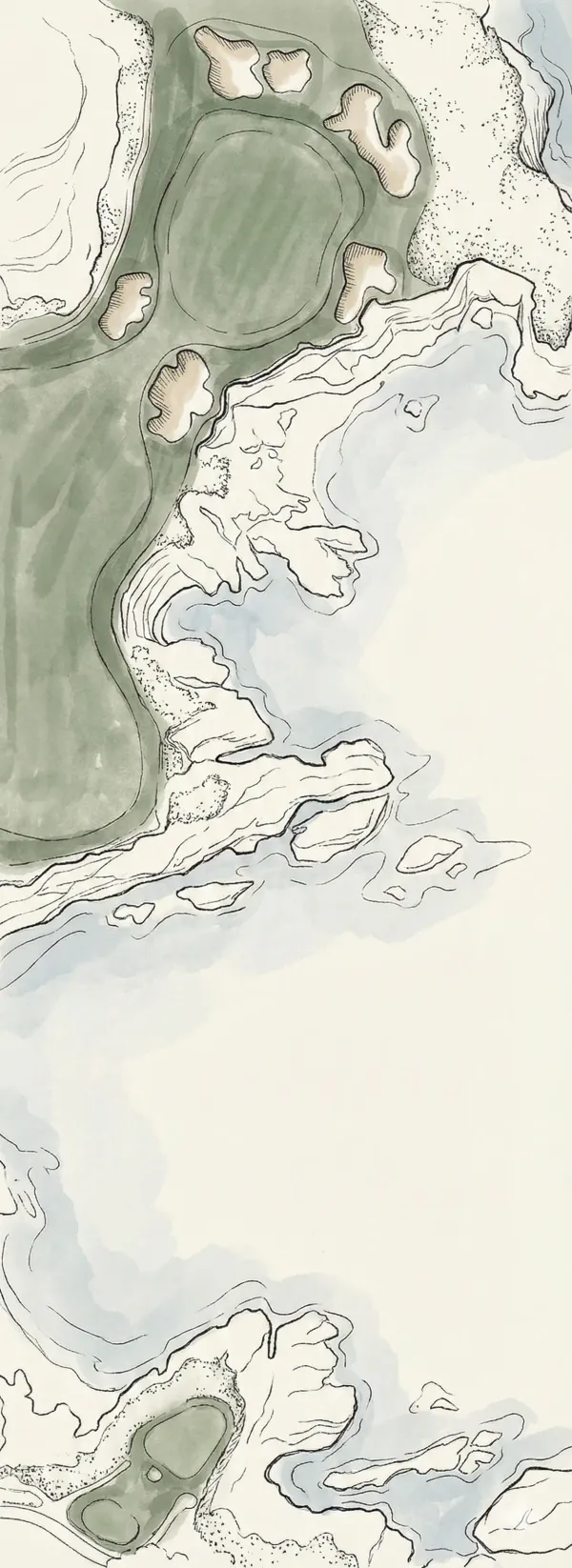
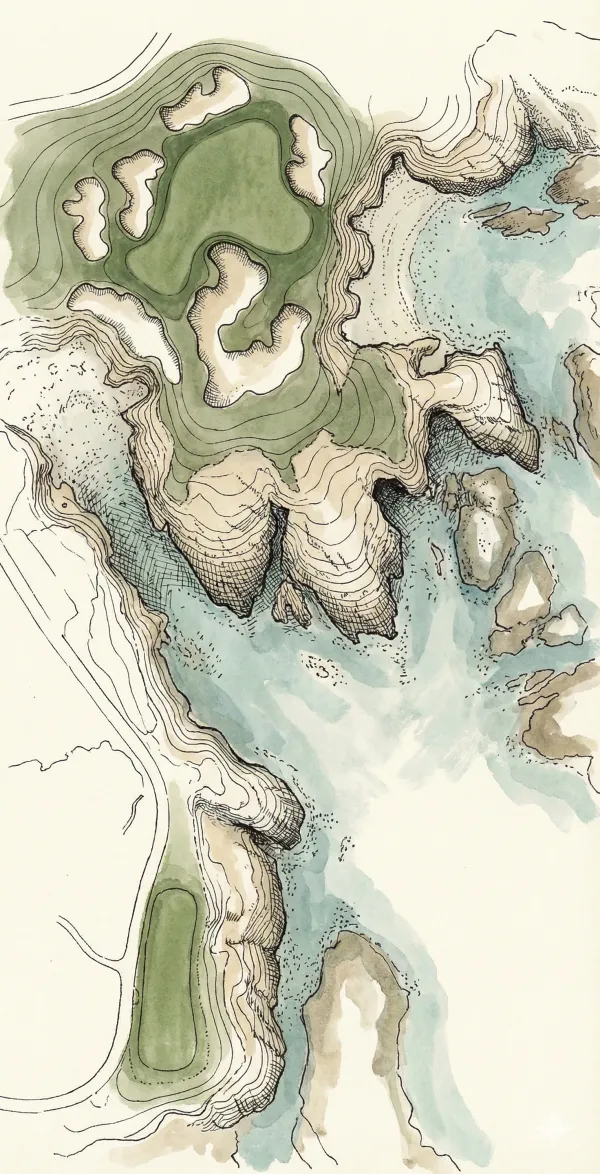
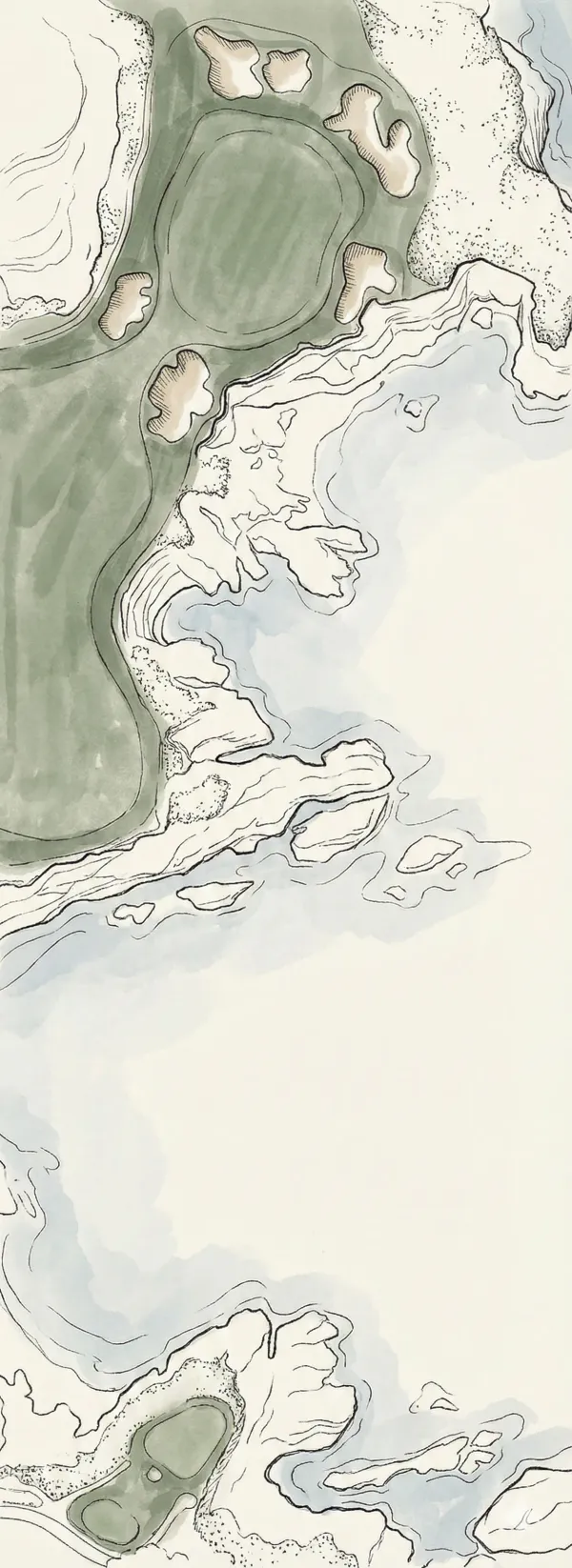
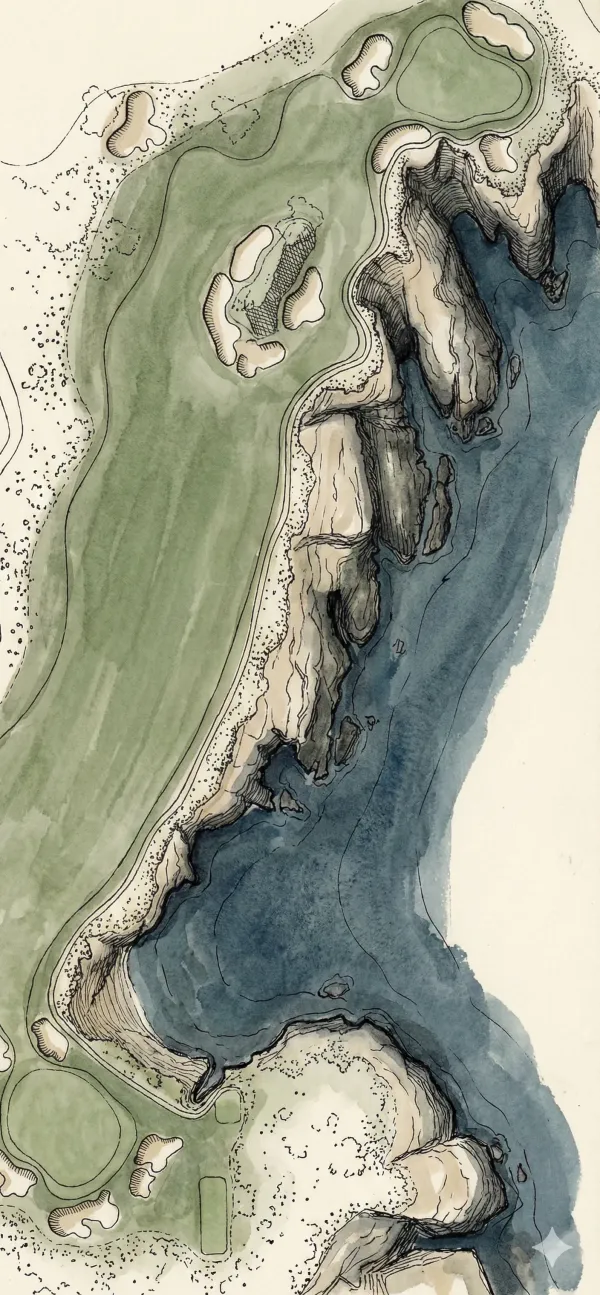
The course transitions seamlessly from the woods to the dunes, but the crescendo arrives when the player emerges onto the rocky promontory of the Pacific. The wind here is heavy with salt and indifferent to reputation. The ground becomes firm, the turf tight against the bedrock. The sequence of the 15th, 16th, and 17th is not merely a test of execution but of nerve. The ocean crashes against the conglomerate rock, serving as a lateral hazard of infinite depth.
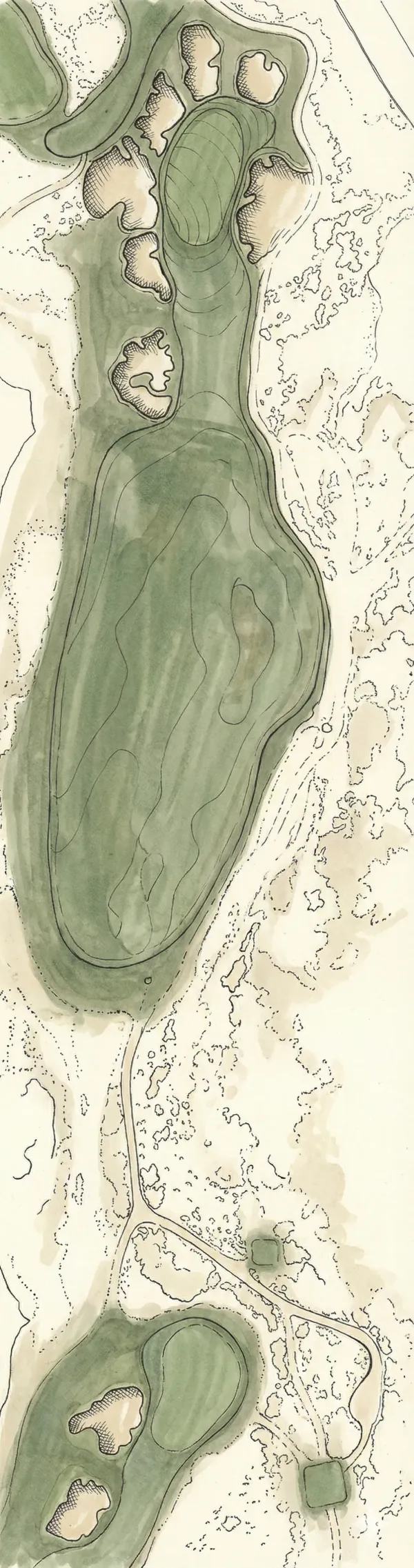
It is a short course by modern metrics, yet it defends par without length. It relies on the psychological weight of the hazards and the intricate contouring of the greens. A shot struck poorly is not just penalized; it is often lost to the sea or the cypress roots. It remains the definitive argument that golf is played best when the land dictates the shot, not the architect’s ego.