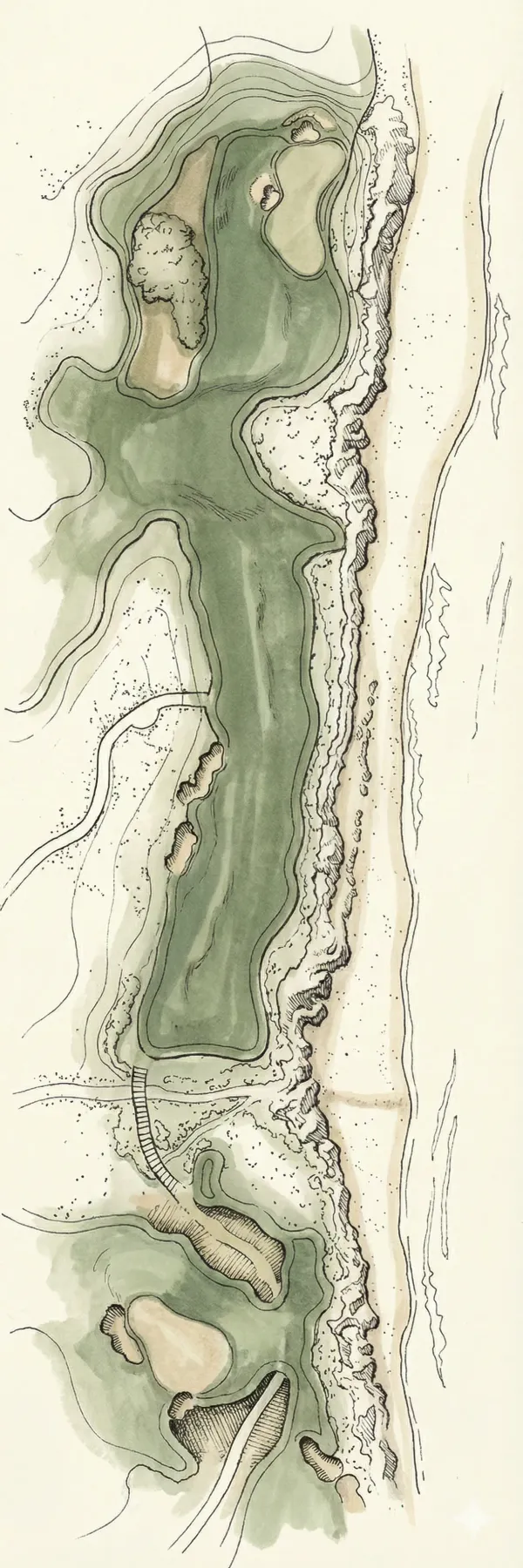
Lunchball
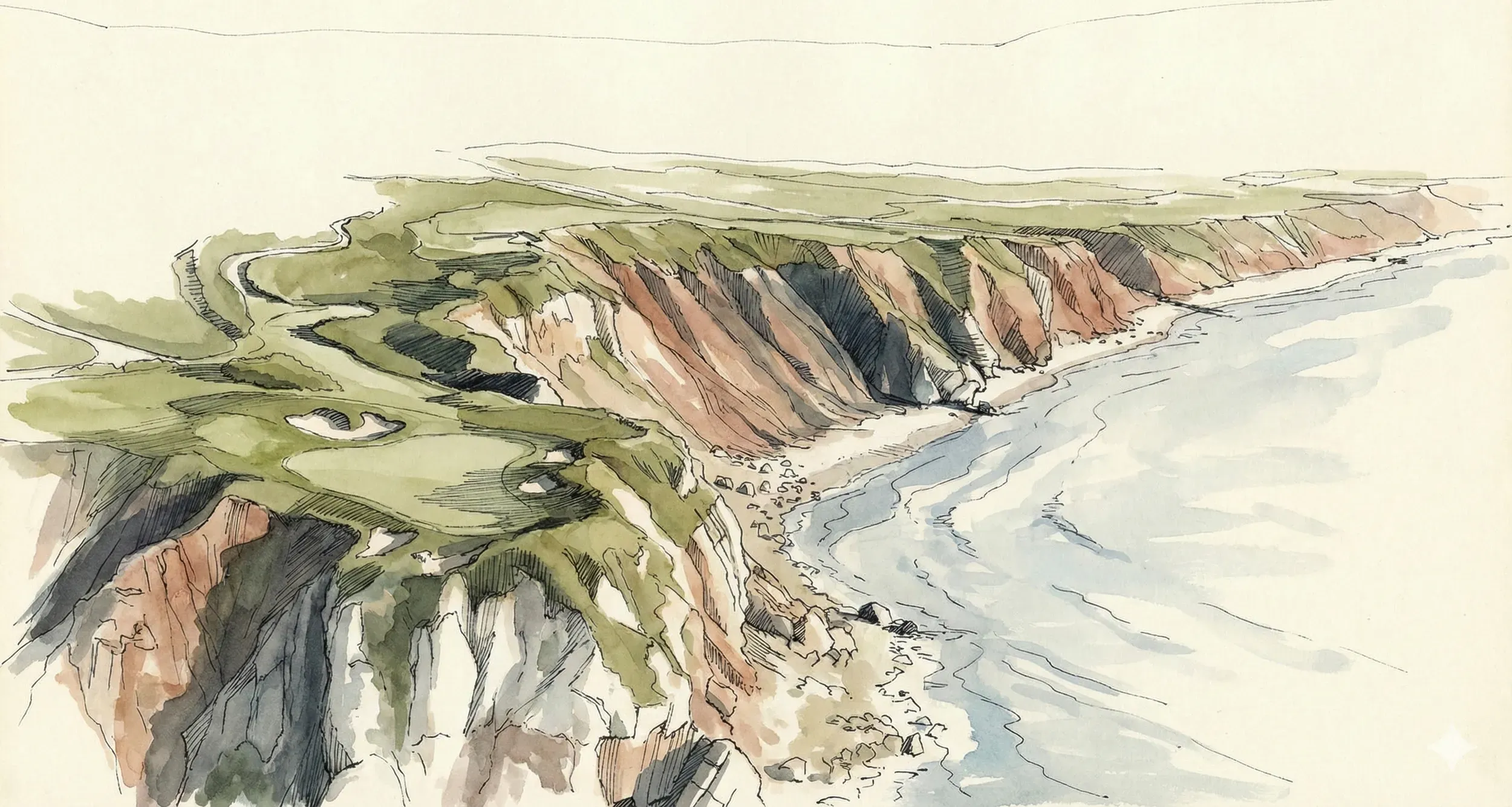
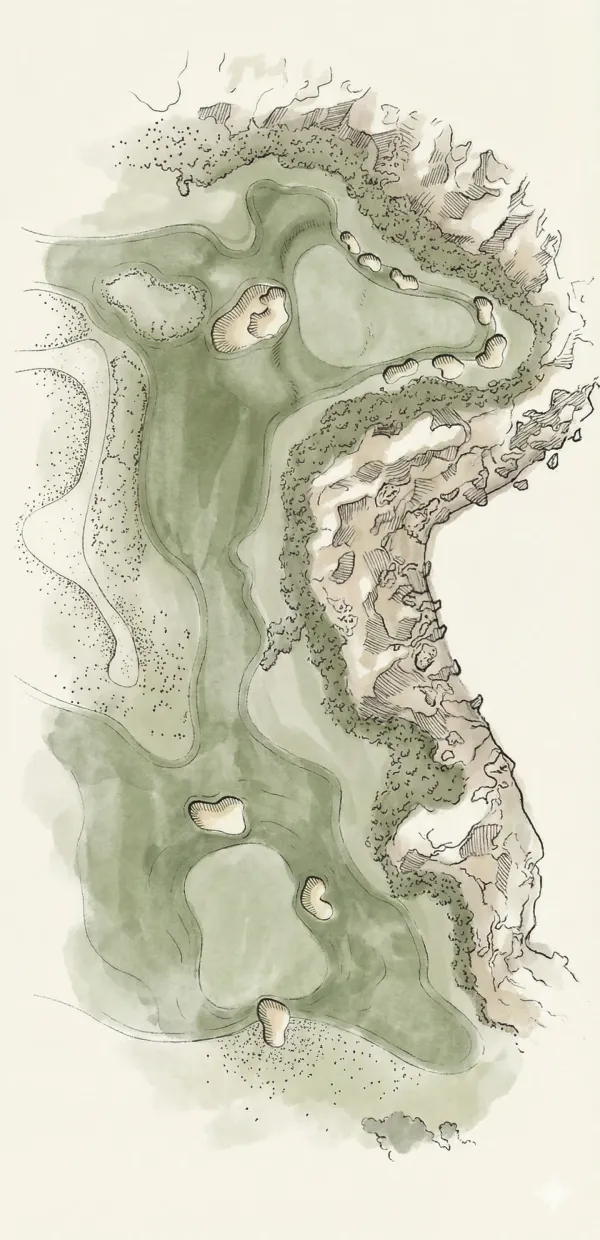
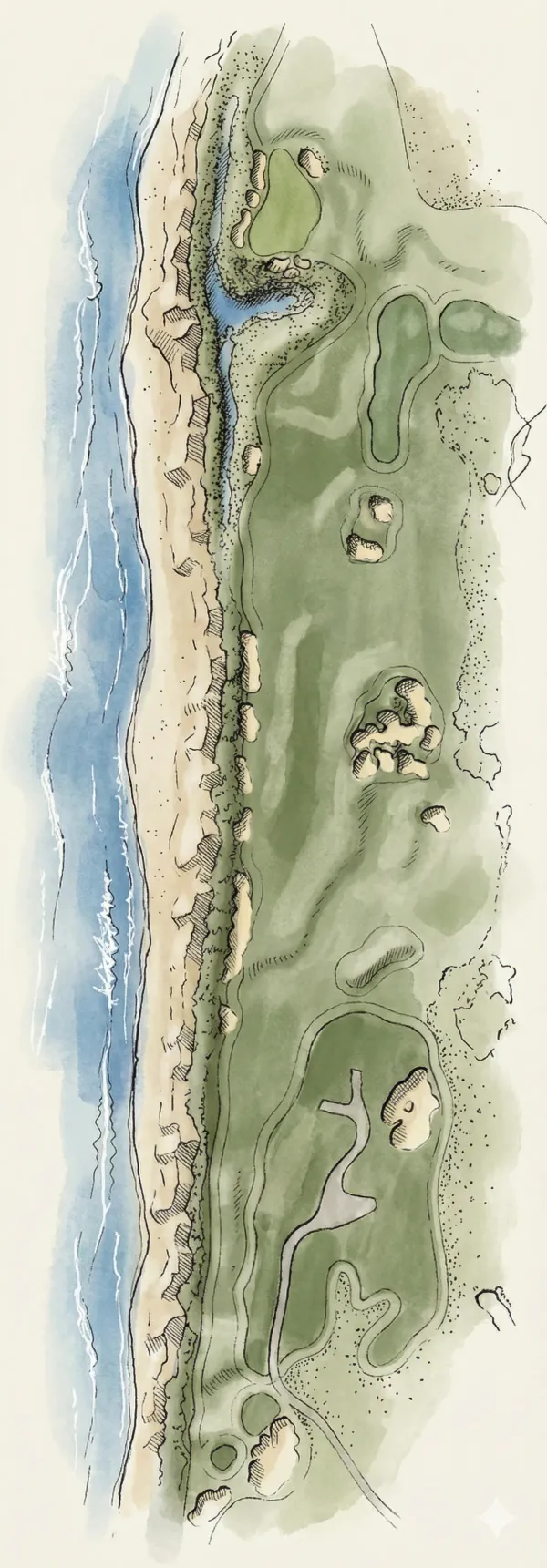
The land at Inverness sits high above the Gulf, exposed and untamed. It is ground that did not need moving, only revealing. Coore and Crenshaw arrived here not to build a monument, but to uncover a path through the dunes. The wind is the primary architect; the width of the fairway is not a kindness, but a geometric necessity when the gale blows off the water.
The Routing
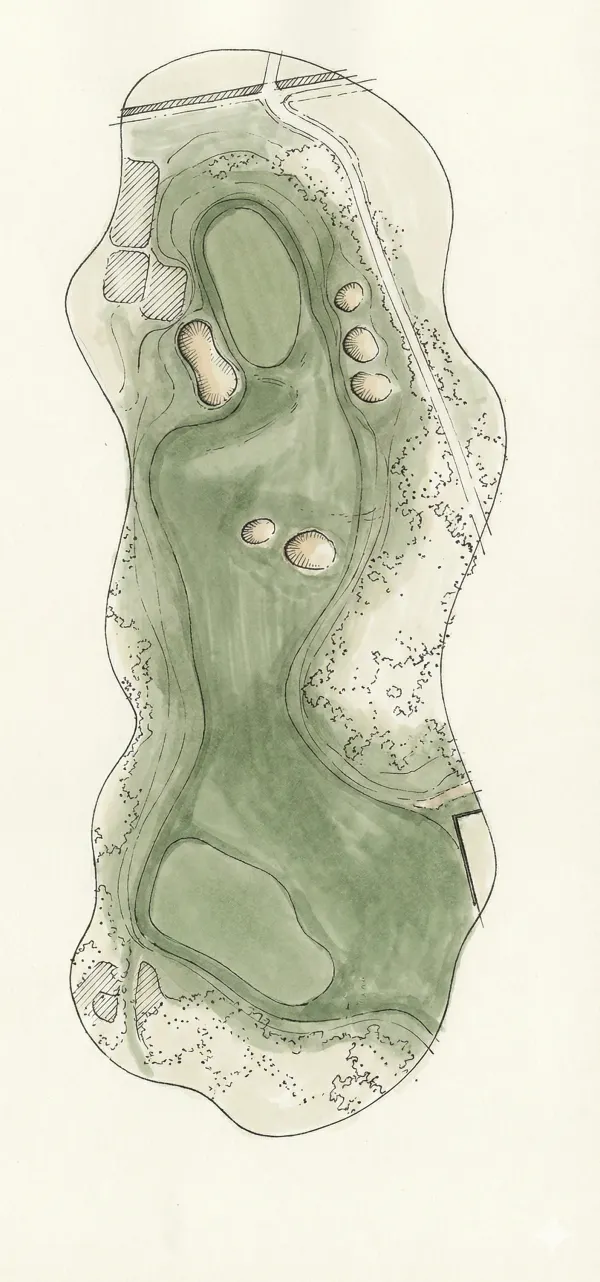
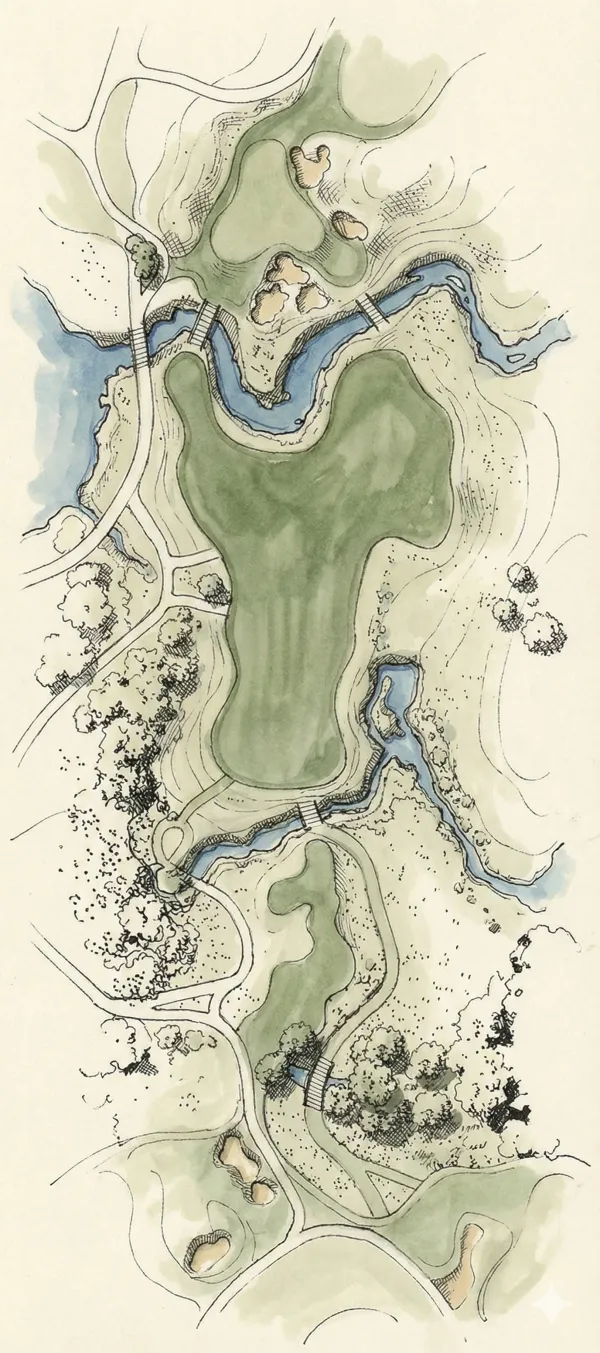
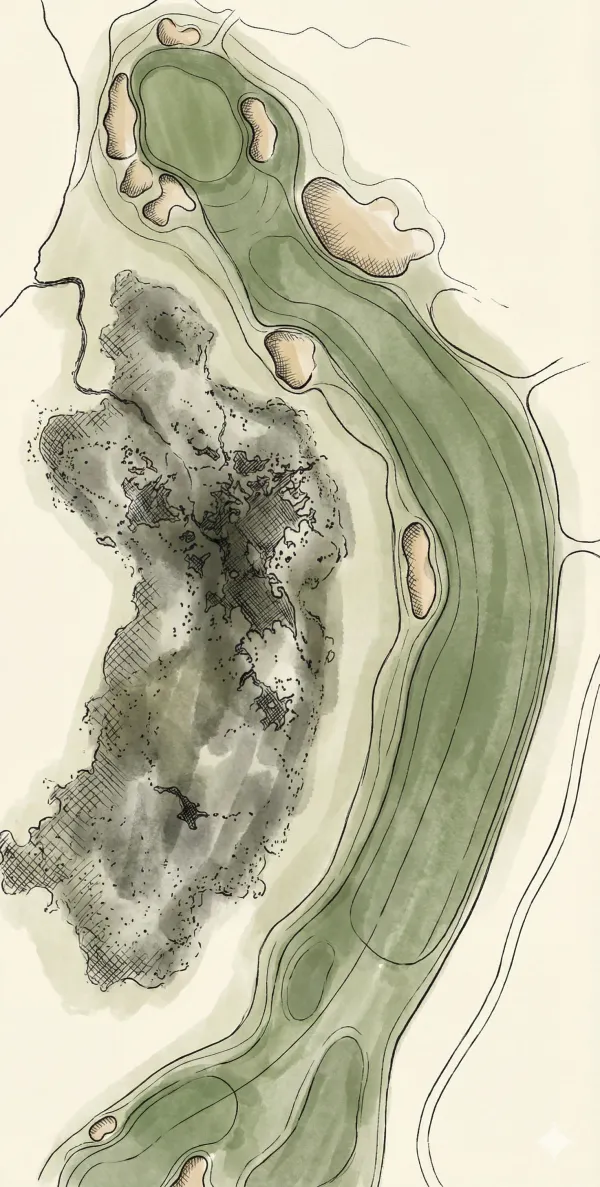
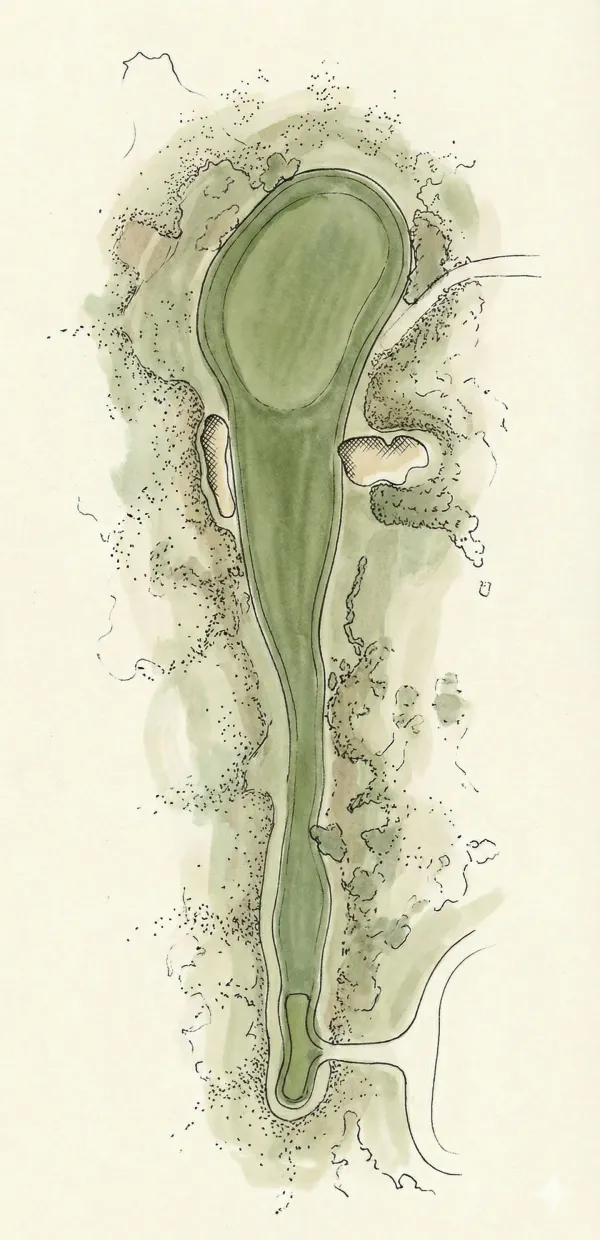
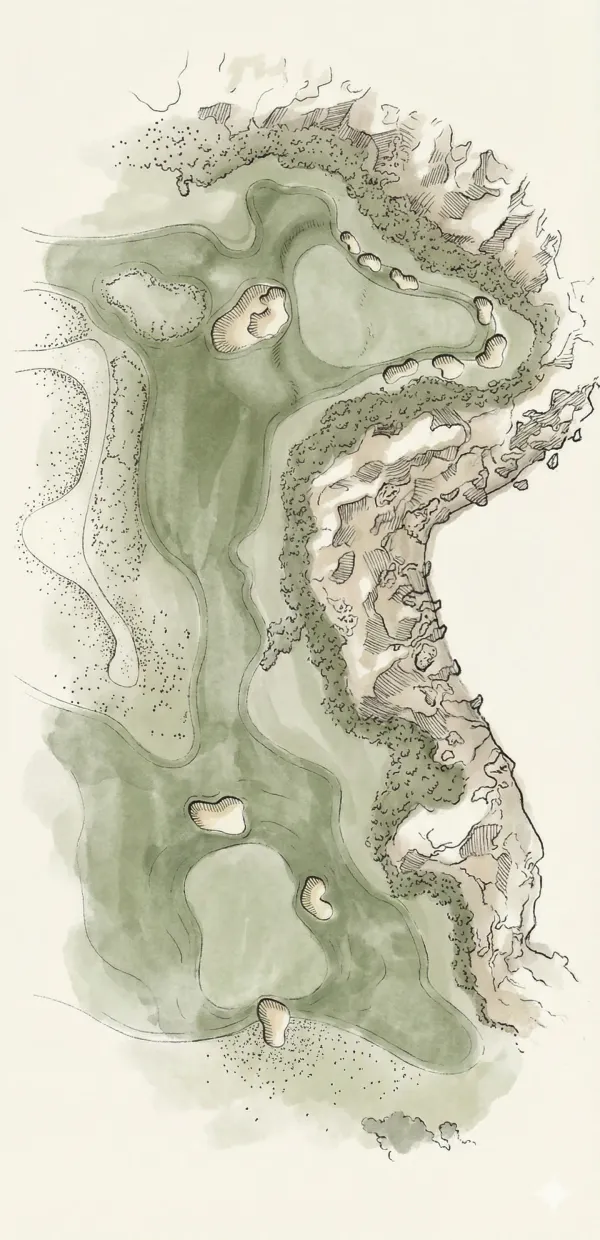
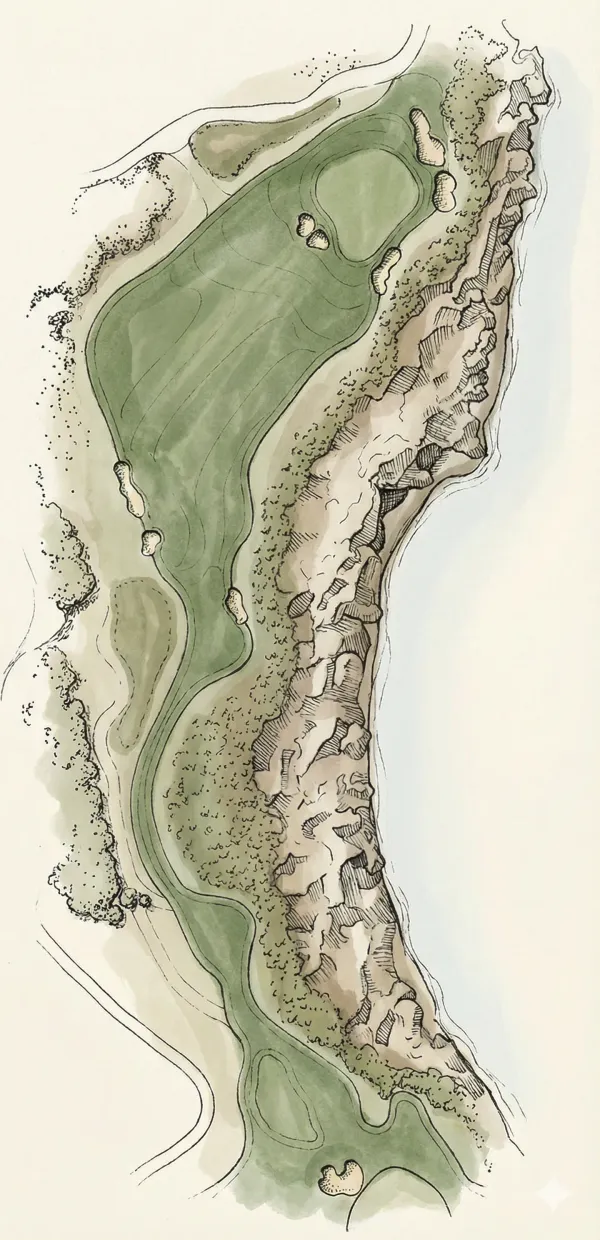
The walk is a descent from the jagged edge of the limestone to the heavy, sandy hummocks near the shore. The rhythm feels inevitable rather than forced. The three-shot holes command attention, culminating in the 18th—a closer that invites argument. It is a hole of distinct theatre, perhaps favoring spectacle over strict architectural merit, yet it lingers in the mind long after the scorecard is signed.
Architecture
On a canvas of this magnitude, subtlety is lost. The features are broad and heaving. The corridors offer room to breathe, inviting the driver, but the edges are absolute. To miss the short grass is to surrender the ball to the fescue or the sea. The penalty is not strokes; it is extinction.