Lunchball
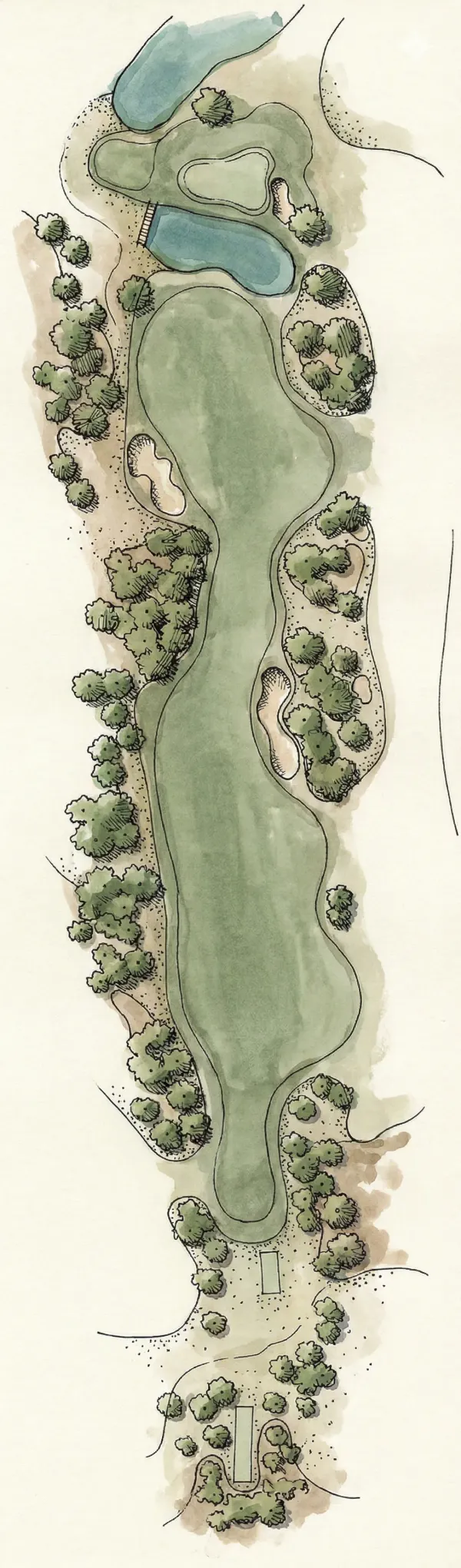
The topography of the former Fruitland Nurseries is a deceit often hidden by television cameras. What appears as gentle rolling terrain is, in reality, a landscape of violent heavings and severe slopes. MacKenzie and Jones routed the holes to sit naturally in the hollows, creating a theatre where the lie of the ball dictates the strategy entirely. The clay beneath the pristine rye and bentgrass is unforgiving, and the expansive, white-sand bunkers are not merely visual framing but penal hazards that demand a complete extraction.
The course has evolved from its strategic, wide-open origins into a narrower, tree-lined examination of precision, yet the architecture of the greens remains the primary defense. These surfaces do not simply undulate; they repel. They feature false fronts and subtle spines that divide safe passage from disaster. To play here is to engage in a constant negotiation with gravity, where the approach shot must not only find the surface but find the correct quadrant to avoid being swept away by the manicured contours.
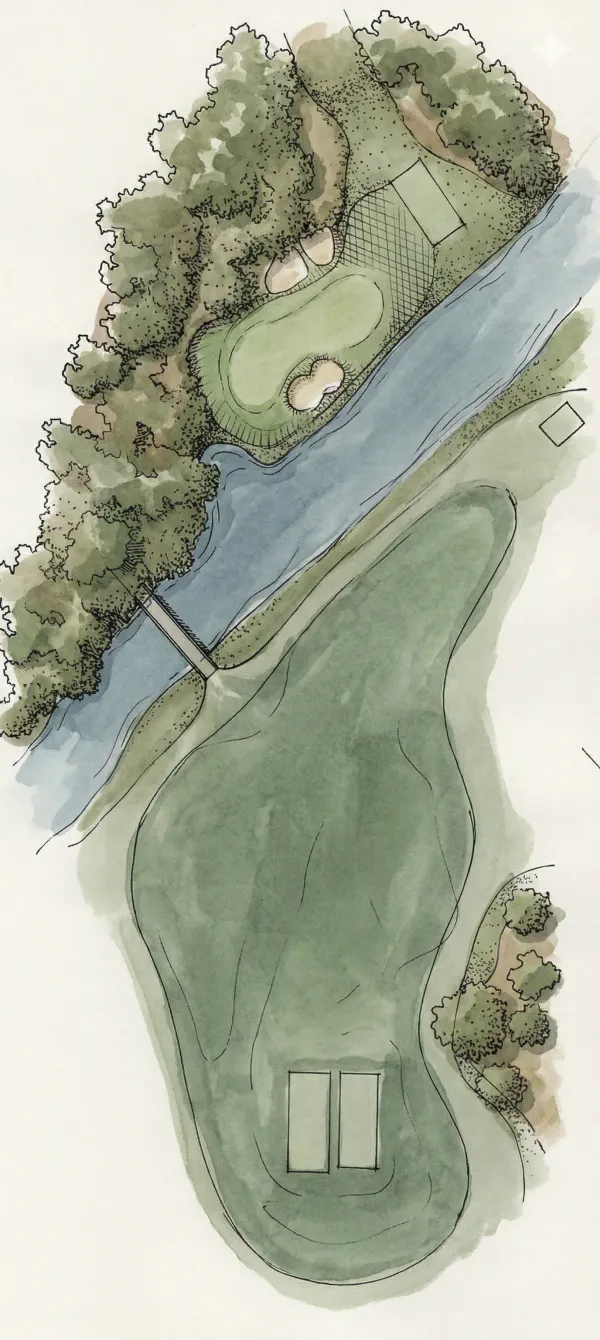
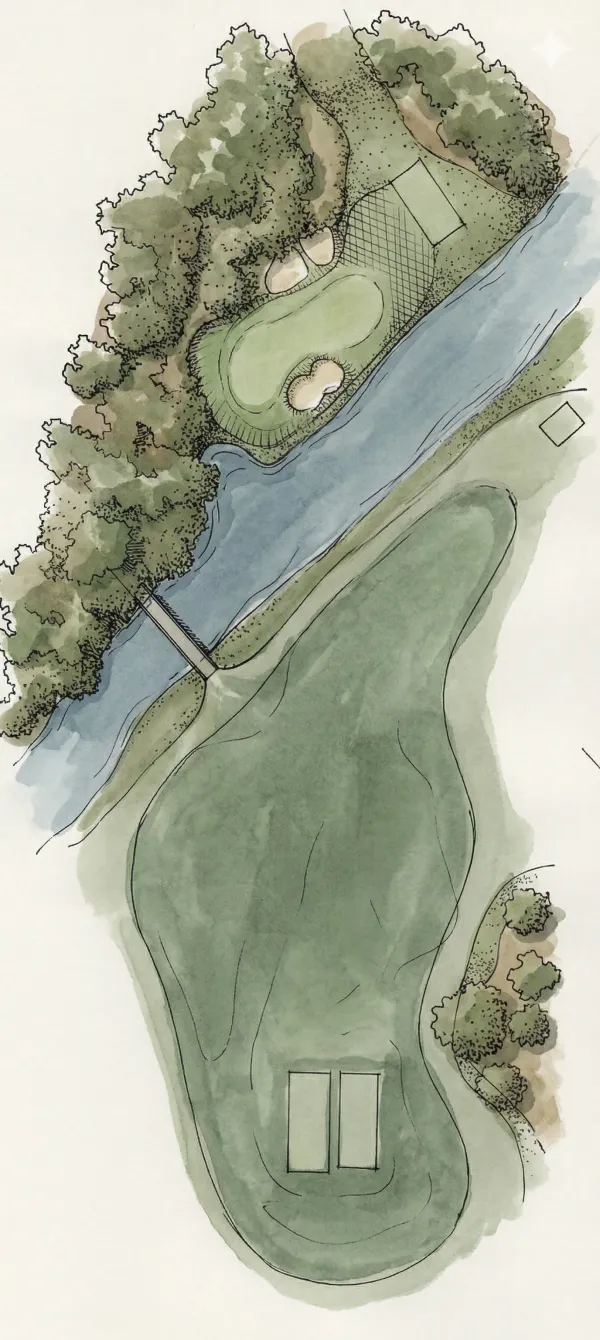
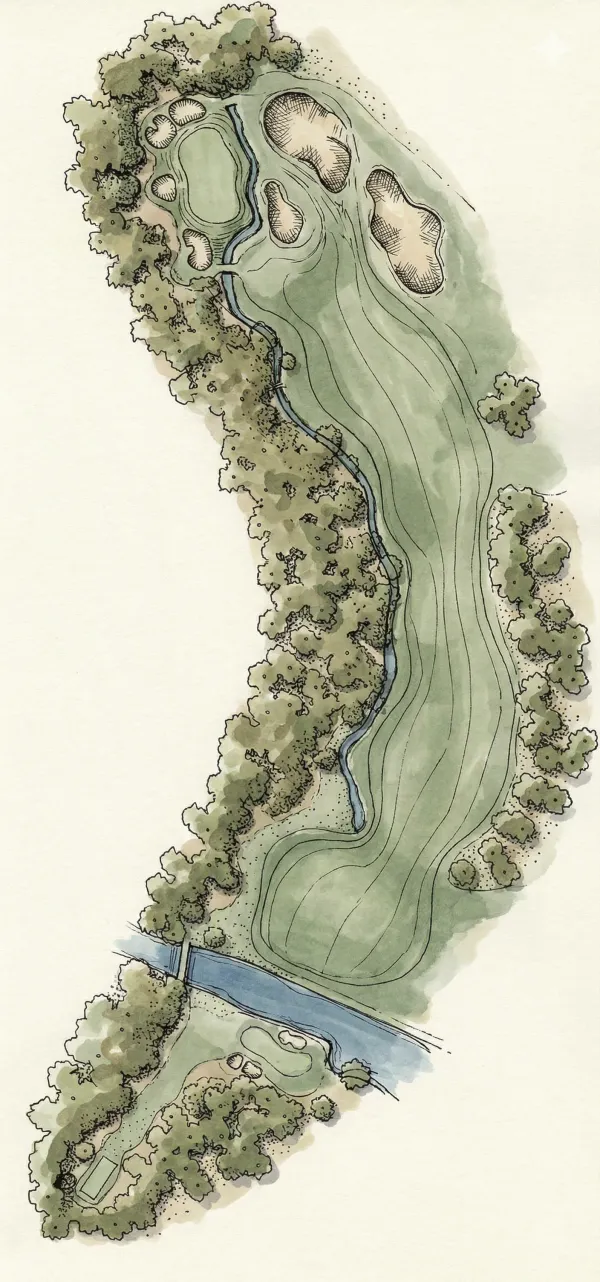
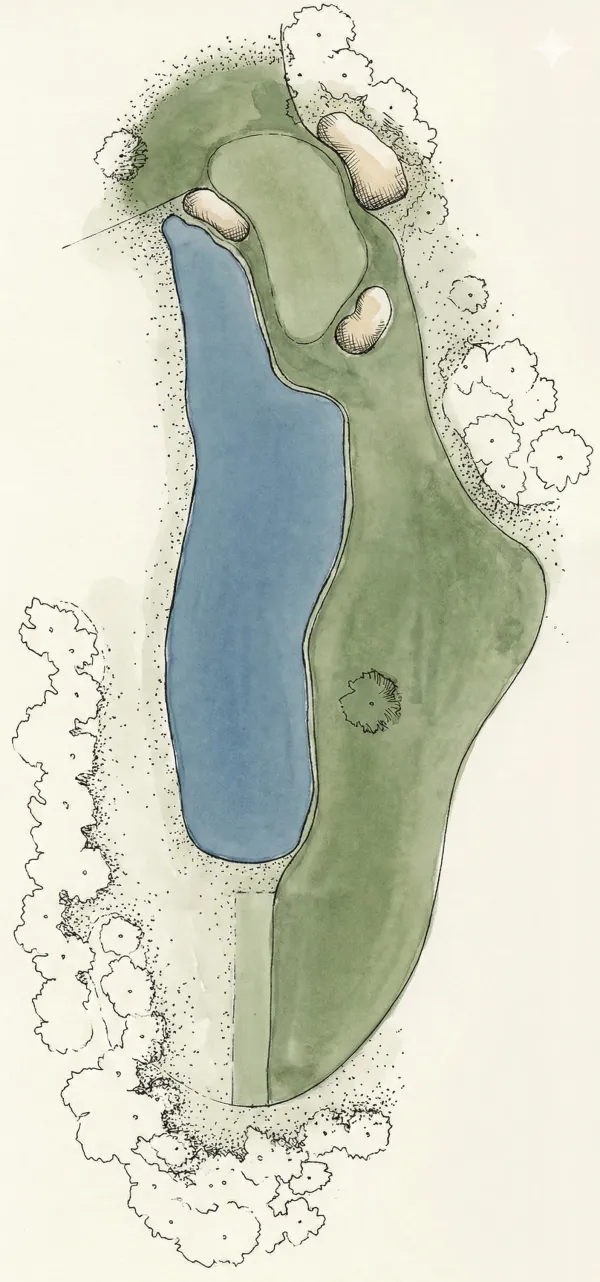
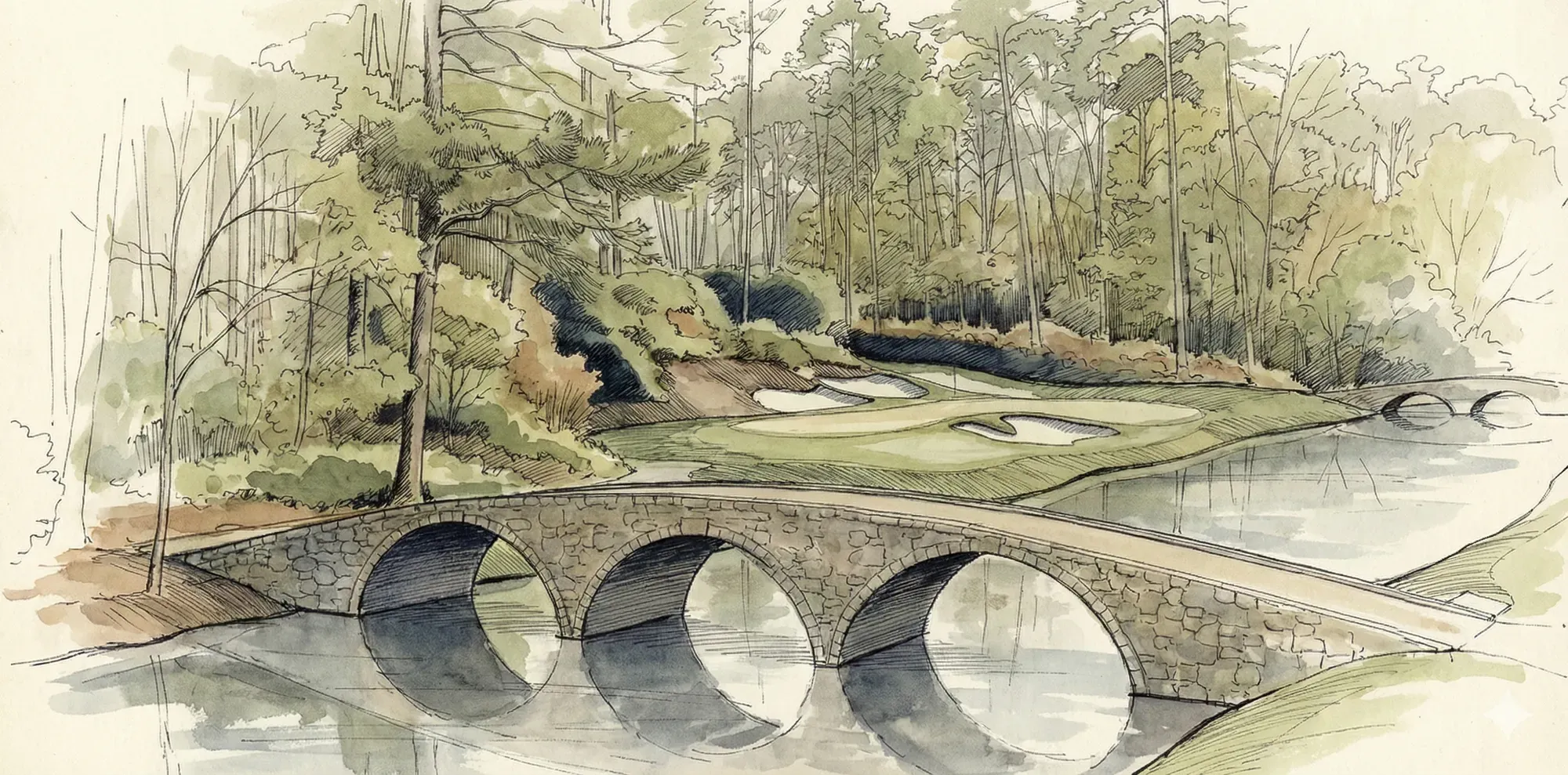
Down in Amen Corner, the wind swirls with no regard for the flagstick’s direction. Rae’s Creek, sluggish and brooding, waits for the ego to override the intellect. The course requires a stoic acceptance of one’s limitations. The hero shot is available at every turn, particularly on the second nine, but the penalty for failure is absolute.
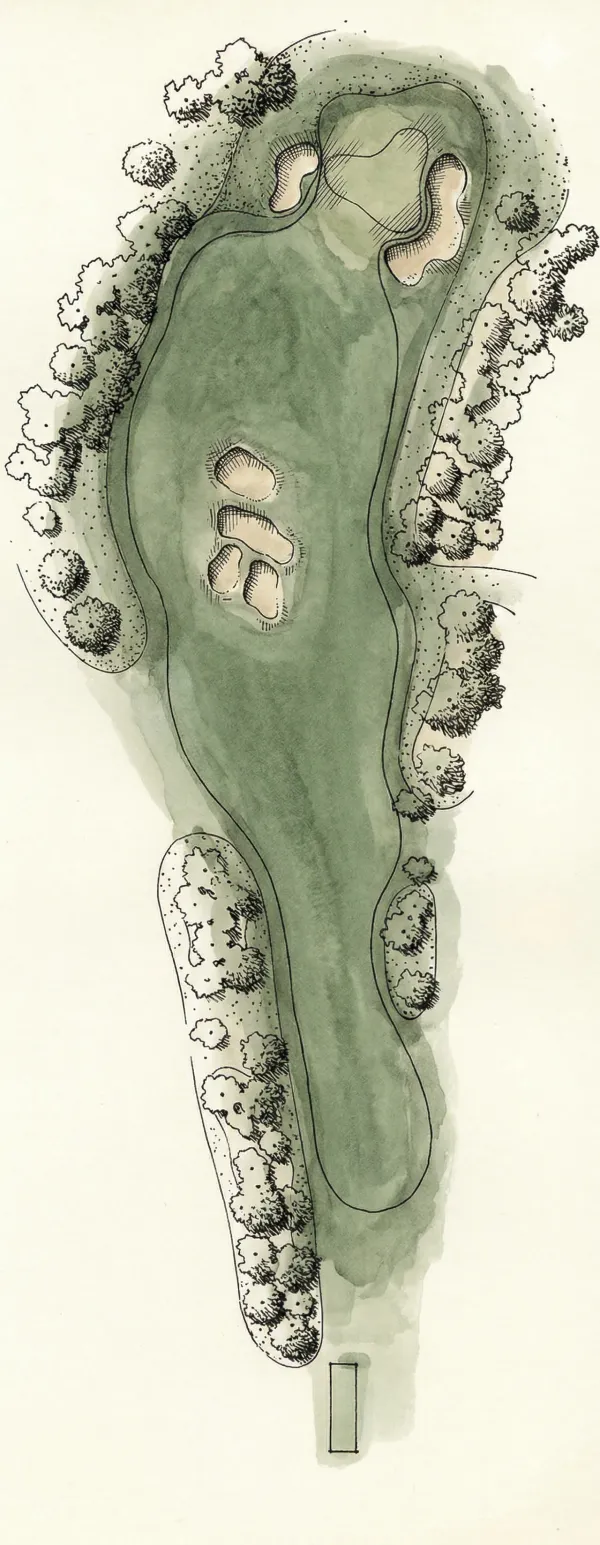
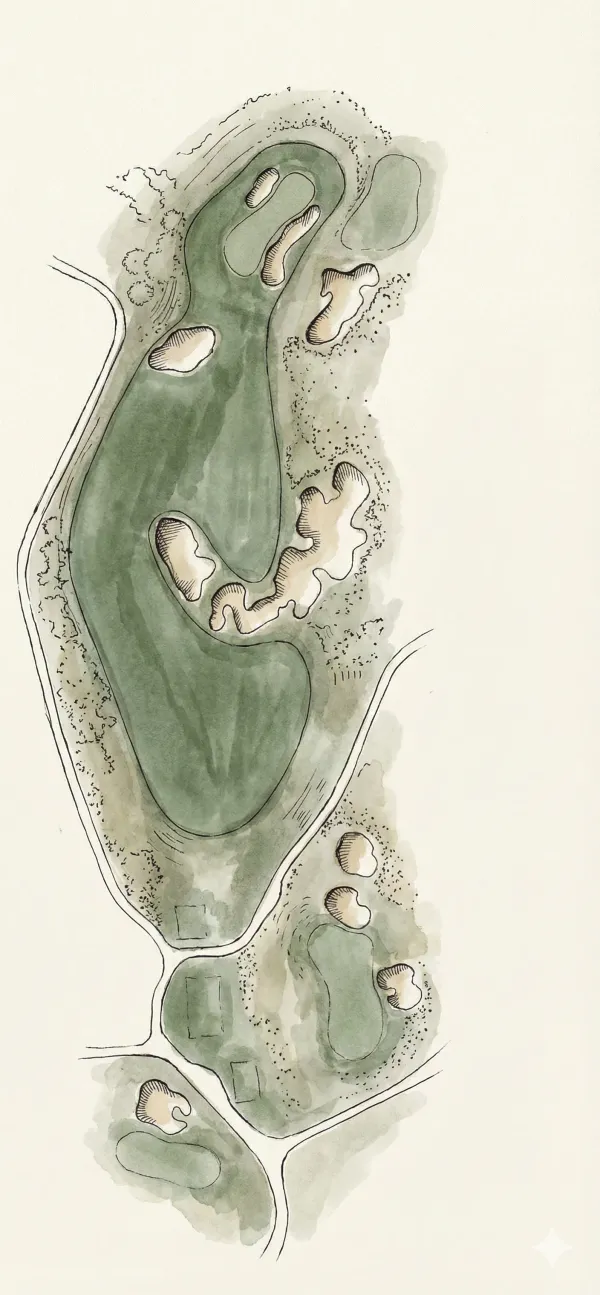
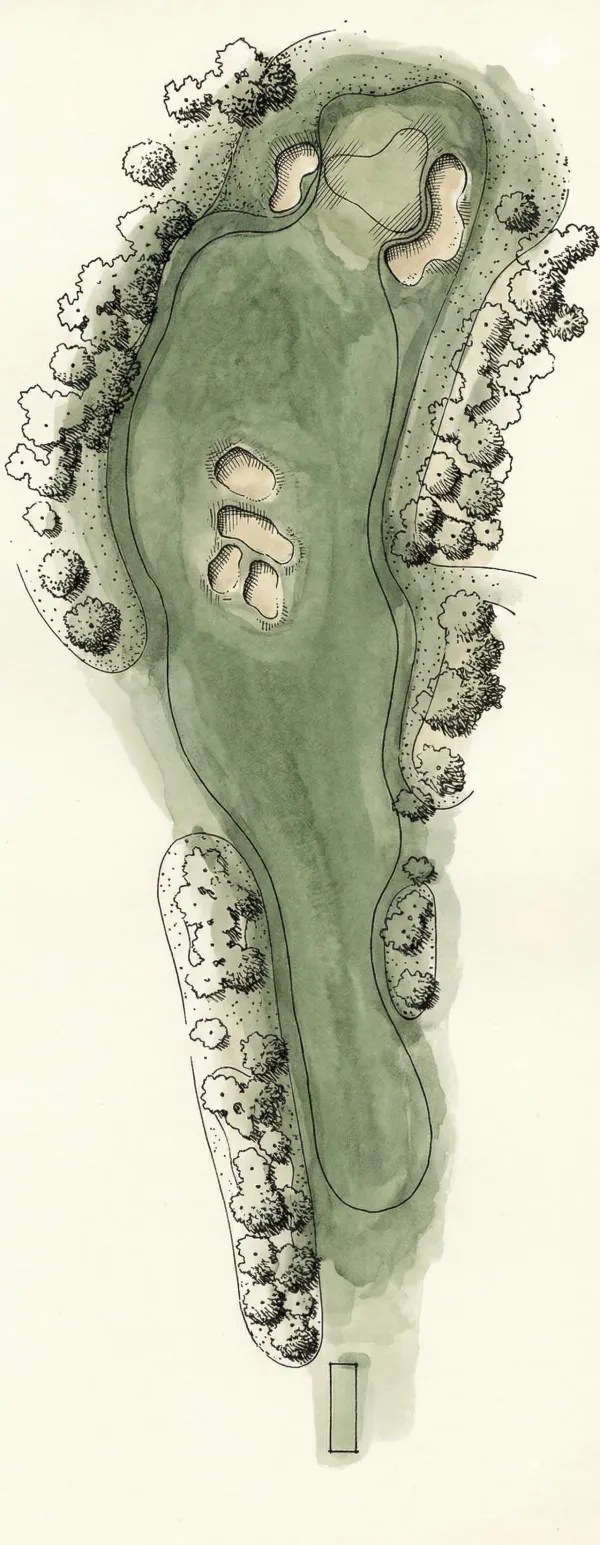
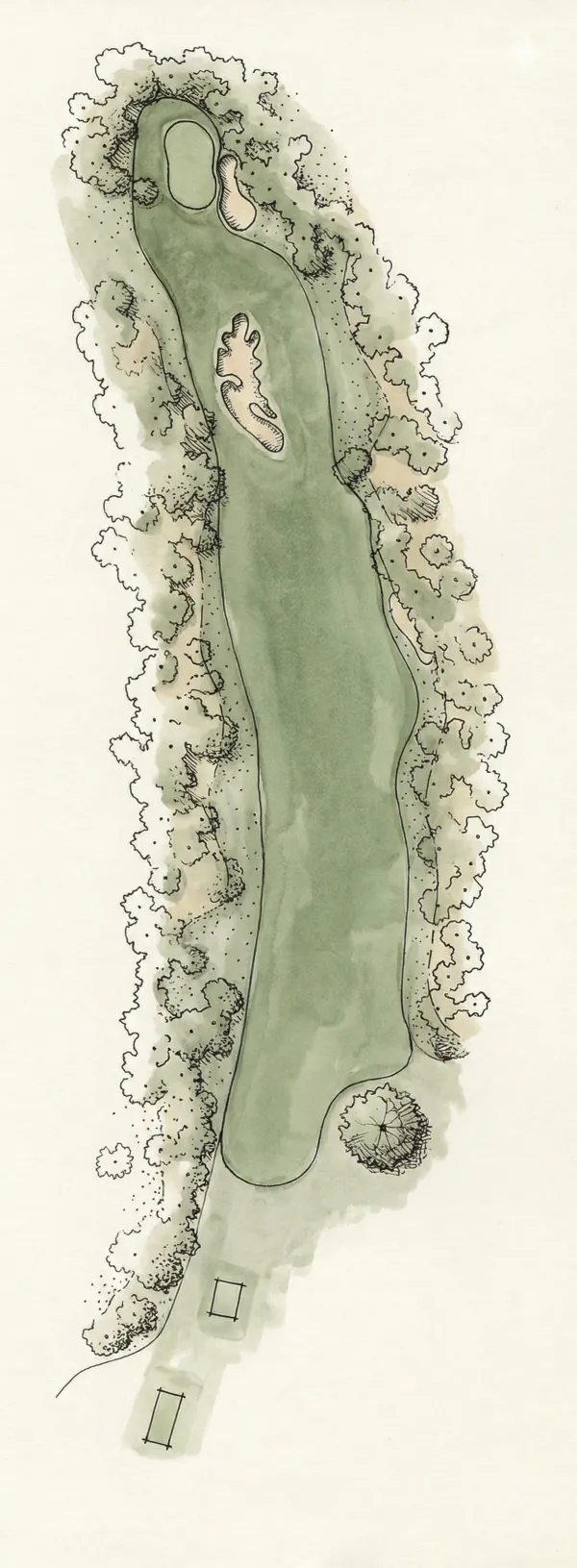
Comparison: 3rd Hole
"At Augusta we are striving to produce eighteen ideal holes, not copies of classical holes, but embodying their best features, with other improvements suggested by experience and modern conditions"