Lunchball
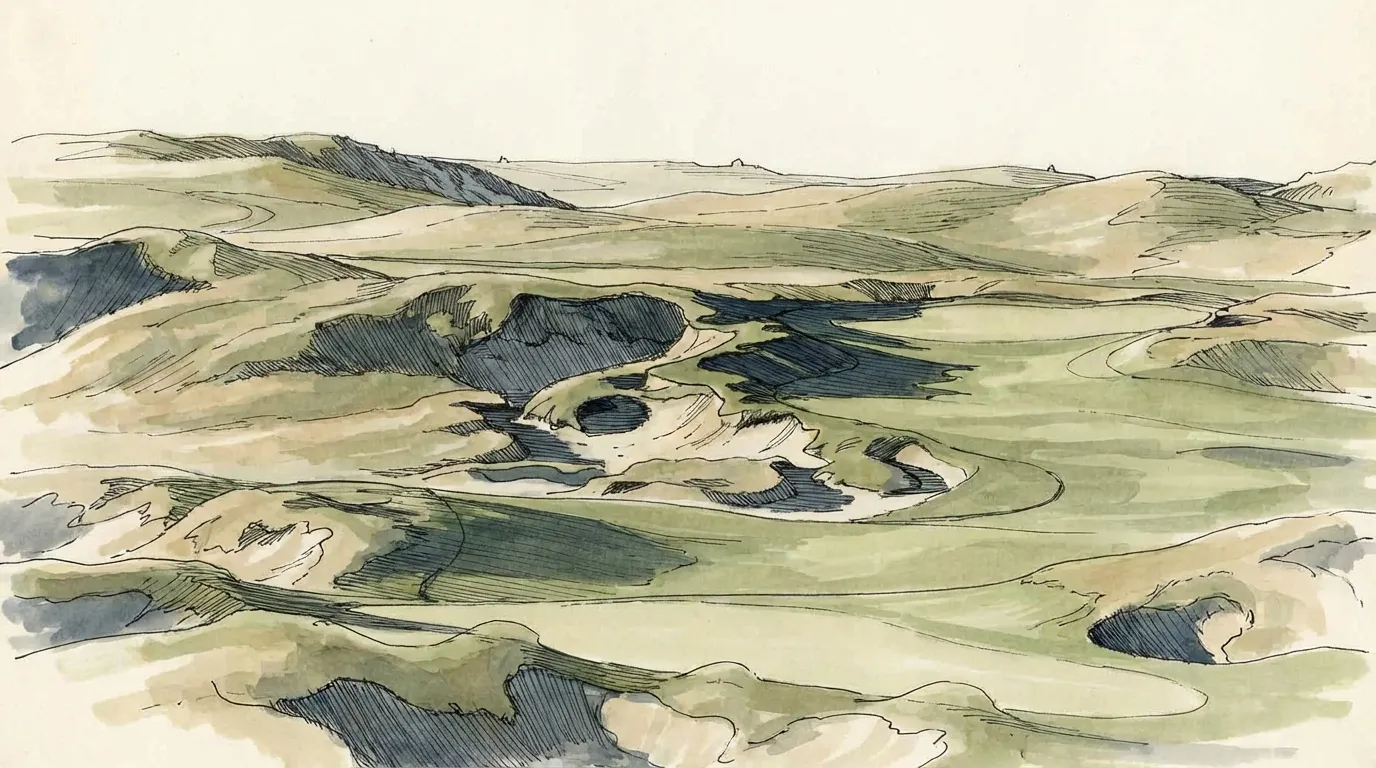
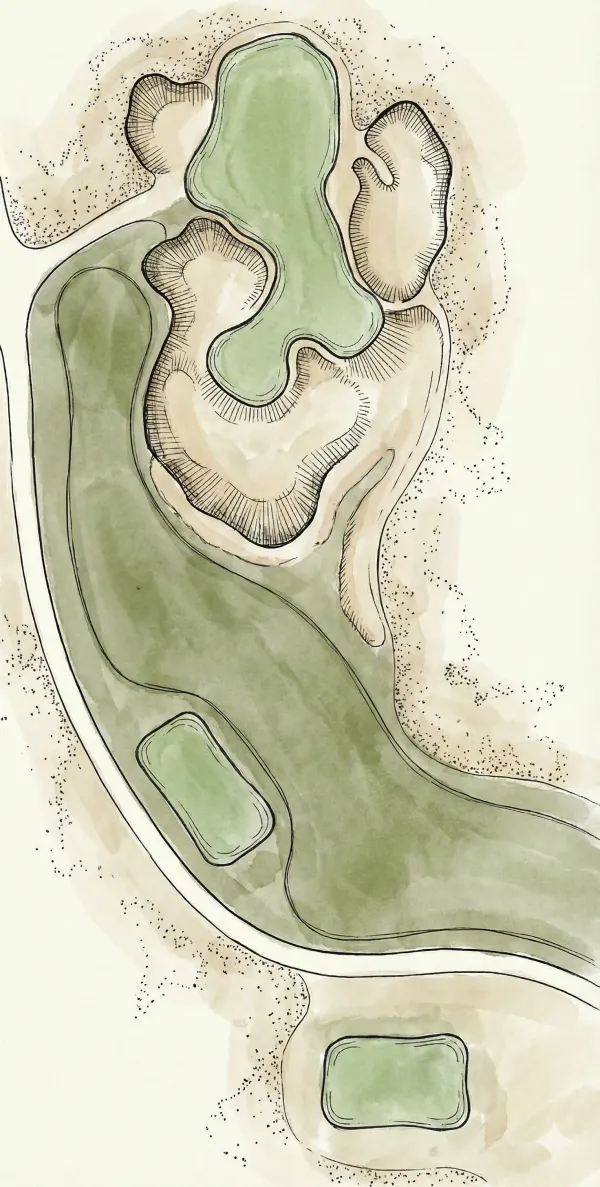
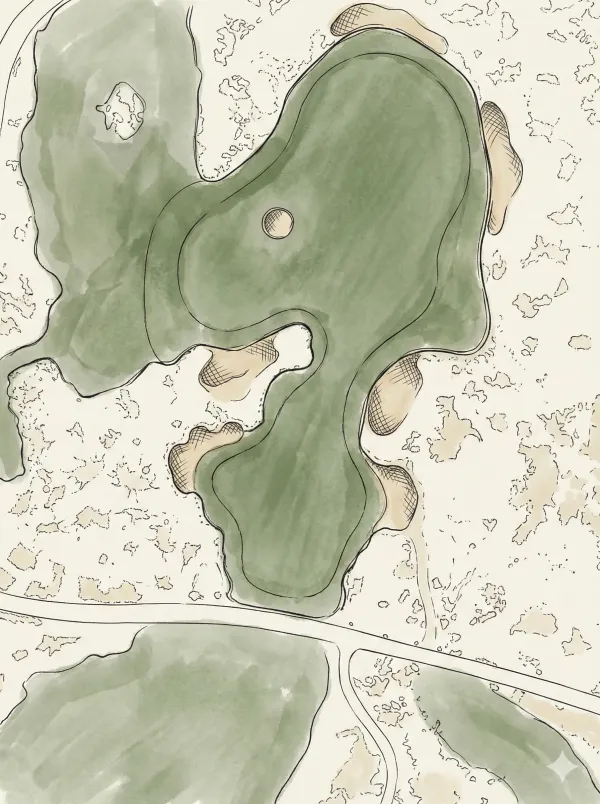
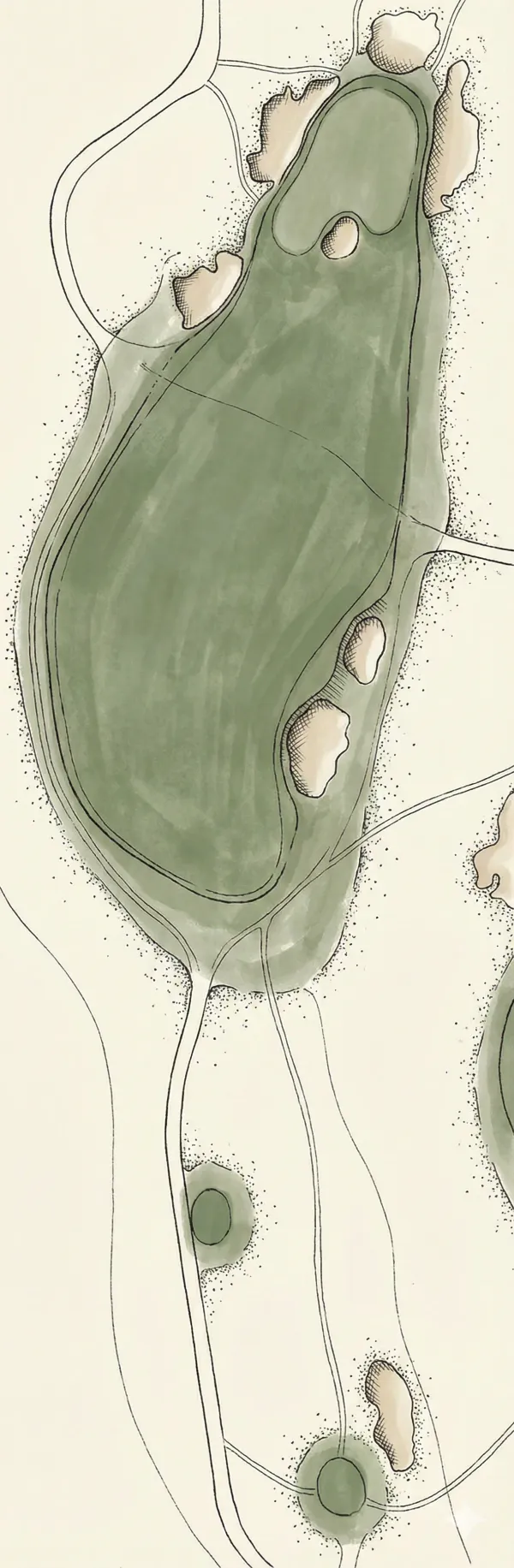
The horizon in Mullen stretches endlessly, broken only by the chop hills that heave like a restless ocean frozen in fescue. Bill Coore and Ben Crenshaw did not build a golf course here; they uncovered one. Amidst the vastness of the Nebraska sandhills, they reportedly identified 136 potential holes and simply staked the best eighteen. The result was the death knell for the artificial, containment-mounded architecture of the 1980s. Sand Hills returned the game to the ground. The strategy is not drawn on a blueprint but dictated by the wind and the contours of the earth. The turf is firm, the bounce is unpredictable, and the golfer must accept that a good shot may end in a blowout bunker, while a poor one might find a friendly kick-plate.
There is a distinct lack of fanfare to the place. Situated deep in the void of the American Midwest, the club offers no valet and no pretension. The accommodations are cabins that smell of pine; the dining room is Ben’s Porch, where a burger tastes of charcoal and satisfaction. It is a stark reminder that the game requires only land and a ball. Golfers travel to this solitude not for the amenities, but to walk until the sun dips below the dunes, leaving the course in long, melancholic shadows.