Lunchball
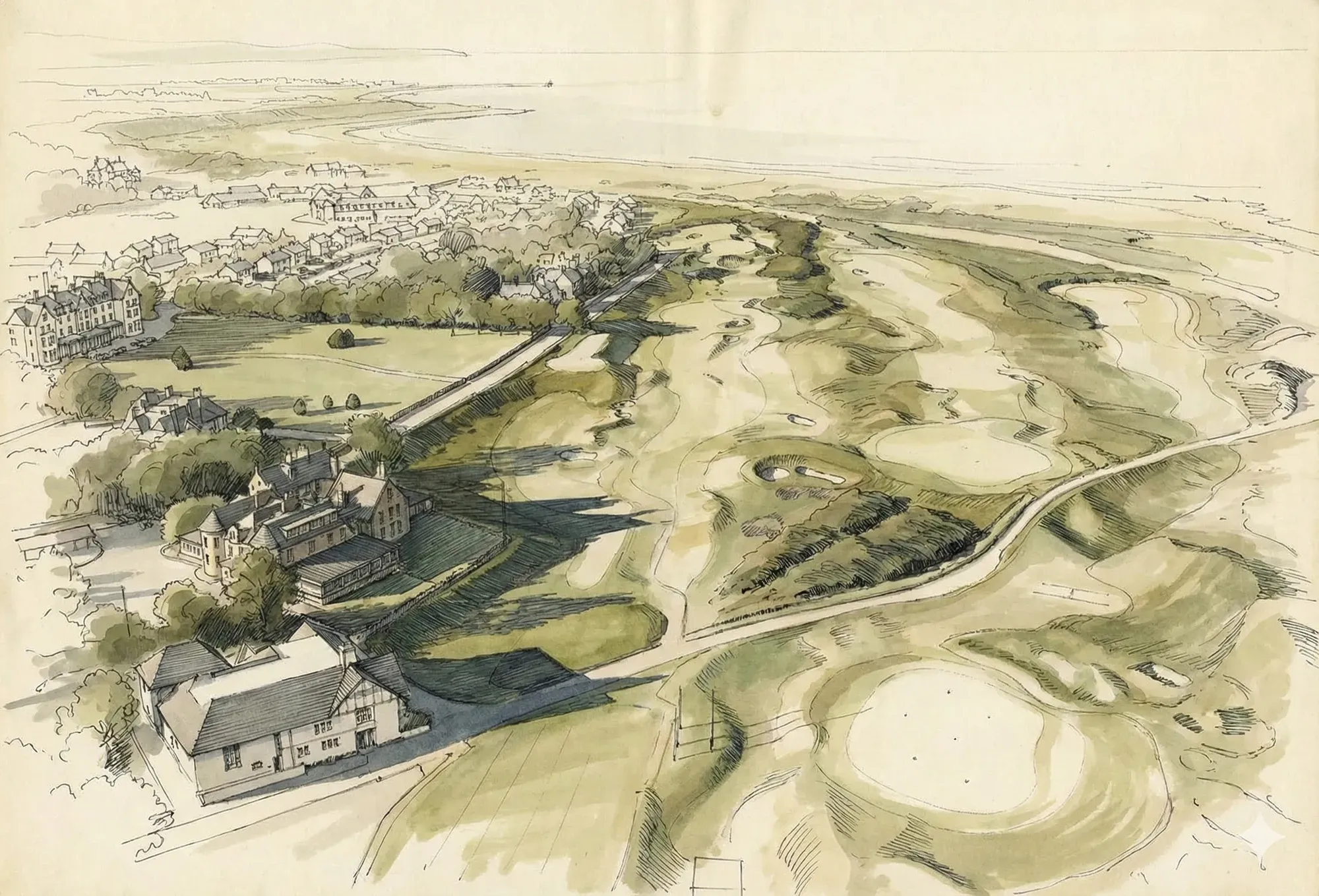
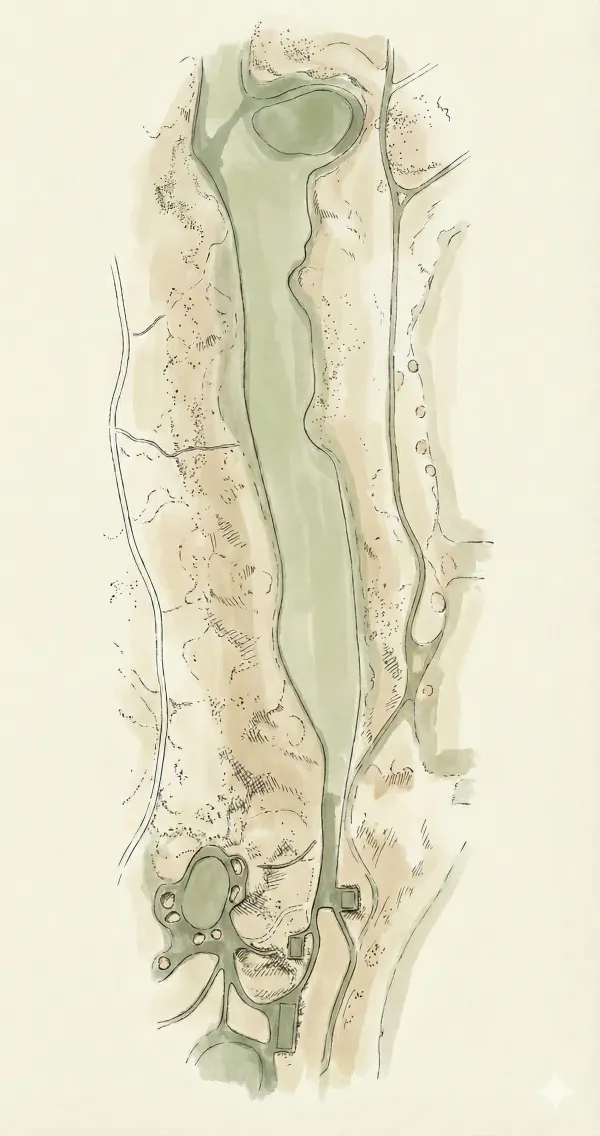
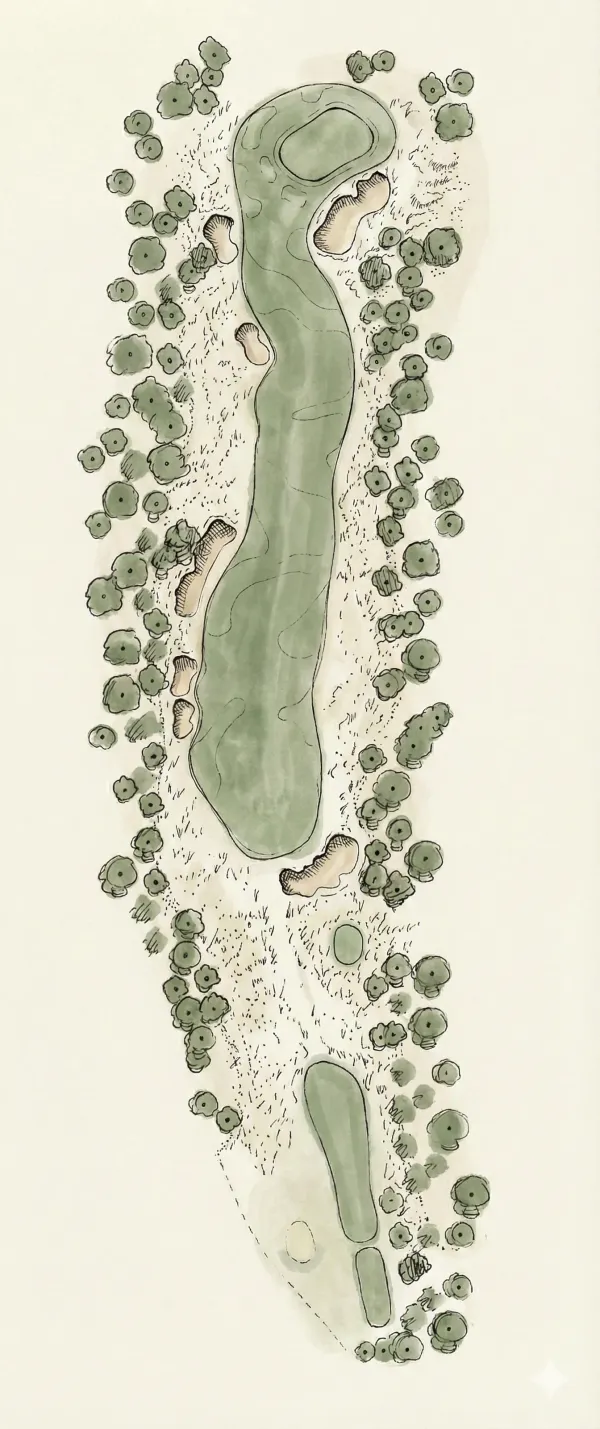
To play Dornoch is to realize that Donald Ross invented nothing; he merely remembered. The course hangs on the edge of the Dornoch Firth, a landscape of wild gorse and sandy ridges situated at a latitude where the summer sun refuses to set. It is not a place of manicured perfection, but of rugged, stoic resistance. The wind here is not an accessory; it is the primary hazard, heavy with salt and capable of turning a wedge shot into a lateral movement.
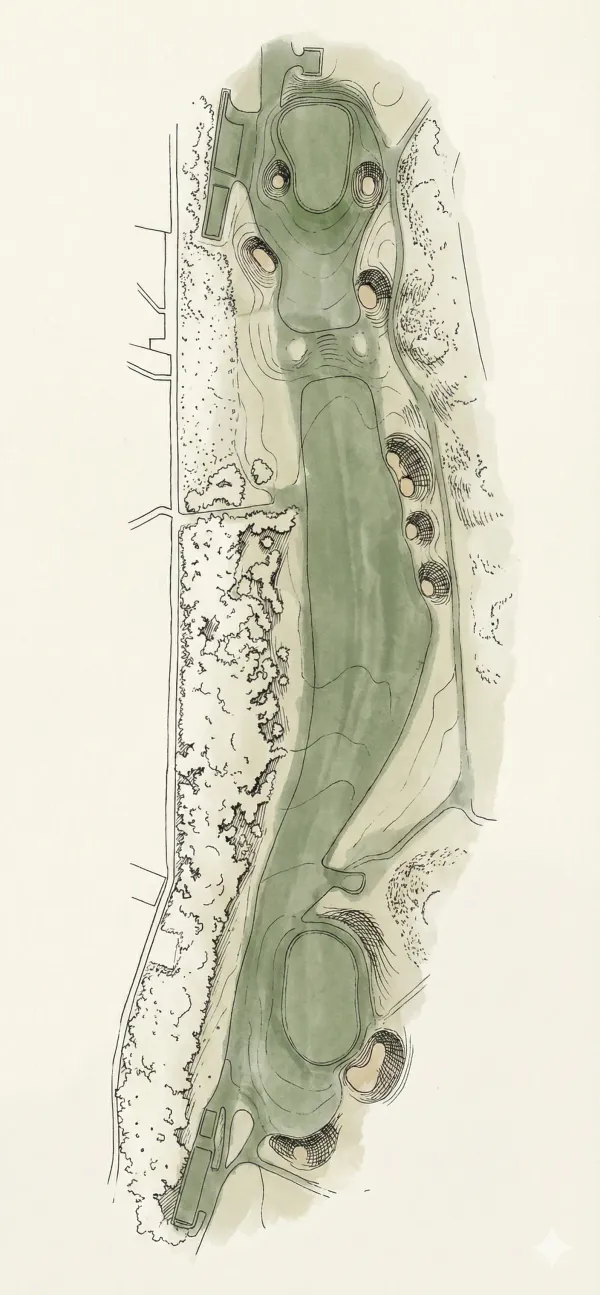
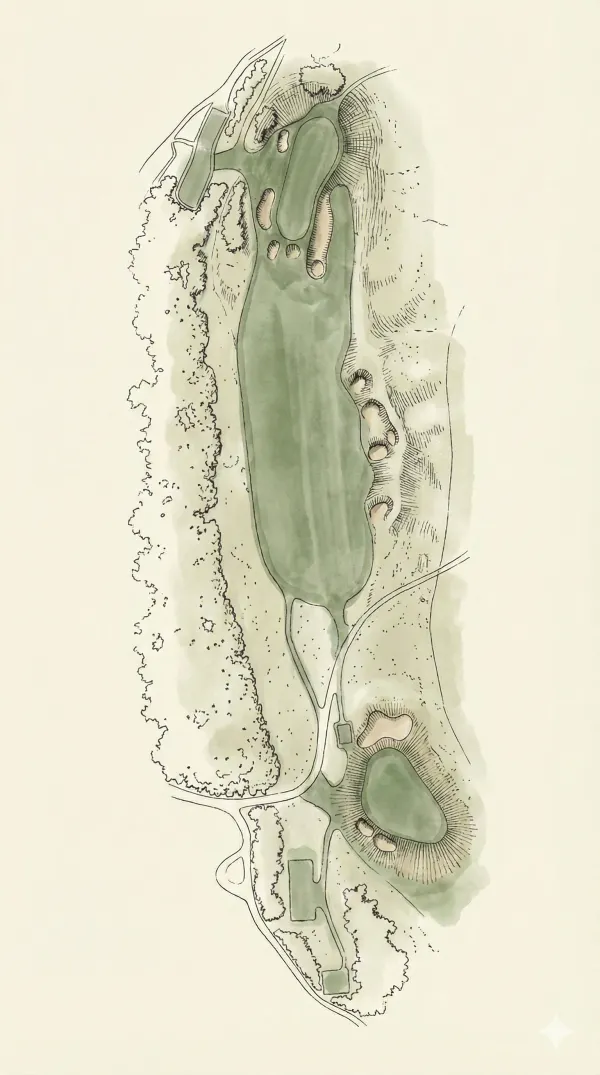
The defining architectural feature is the domed green—the ‘inverted saucer.’ Unlike modern bowls that feed the ball toward the cup, Dornoch’s greens are rejectionist. They sit on natural plateaus and ridges, shedding approach shots into deep, shaved hollows. A mediocre shot is not caught by sand, but by gravity, leaving the player with a tight lie and a terrifying chip up a steep, closely mown bank. It is the genesis of the American architectural style seen later in North Carolina.
This is the spiritual home of the bump-and-run, yet the raised greens demand an aerial precision that contradicts the ground game. It is a paradox of links golf: you must keep the ball low to cheat the wind, but high to hold the shelf. It is a puzzle that has remained unsolved for four centuries, indifferent to the technology of the modern ball.