Lunchball
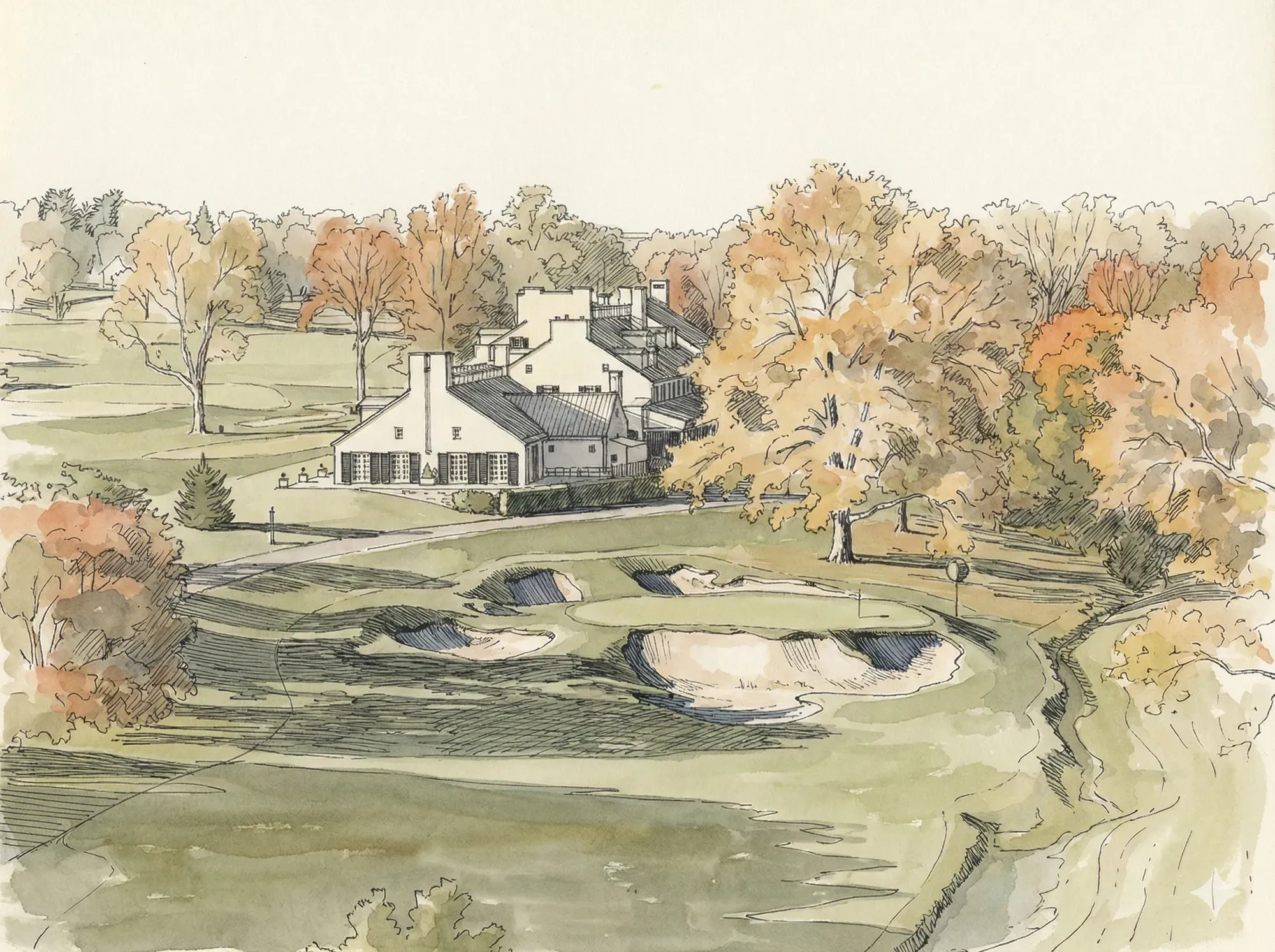
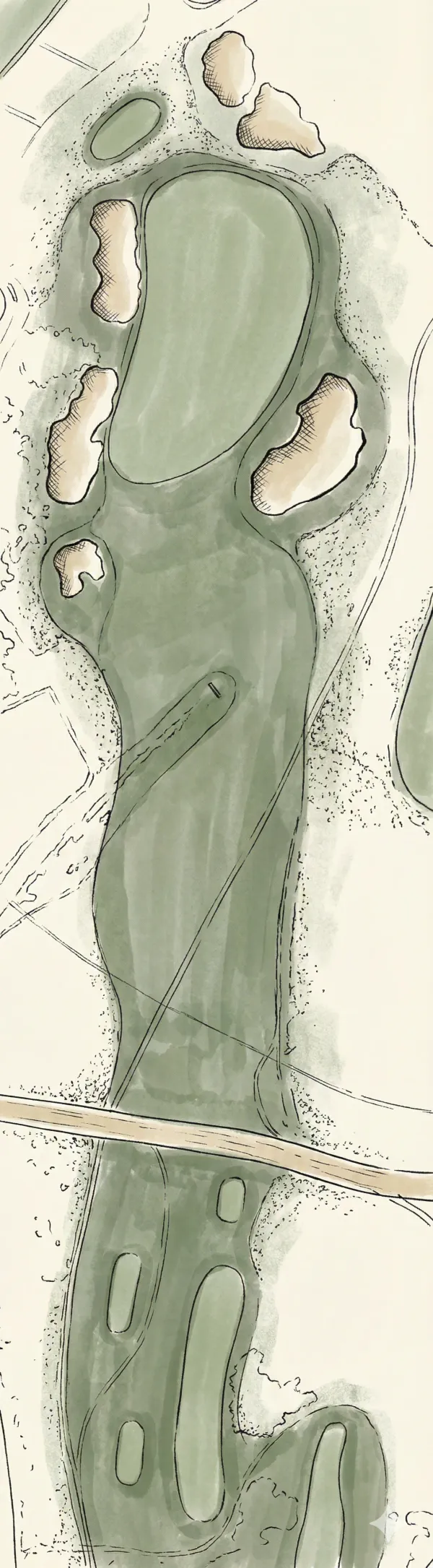
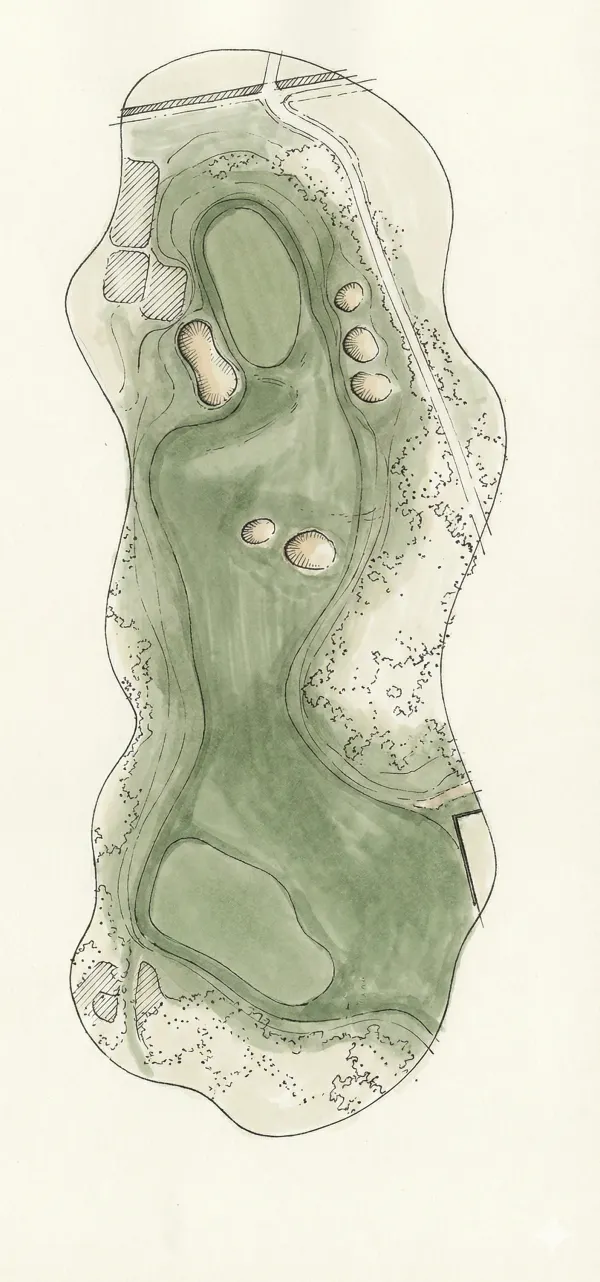
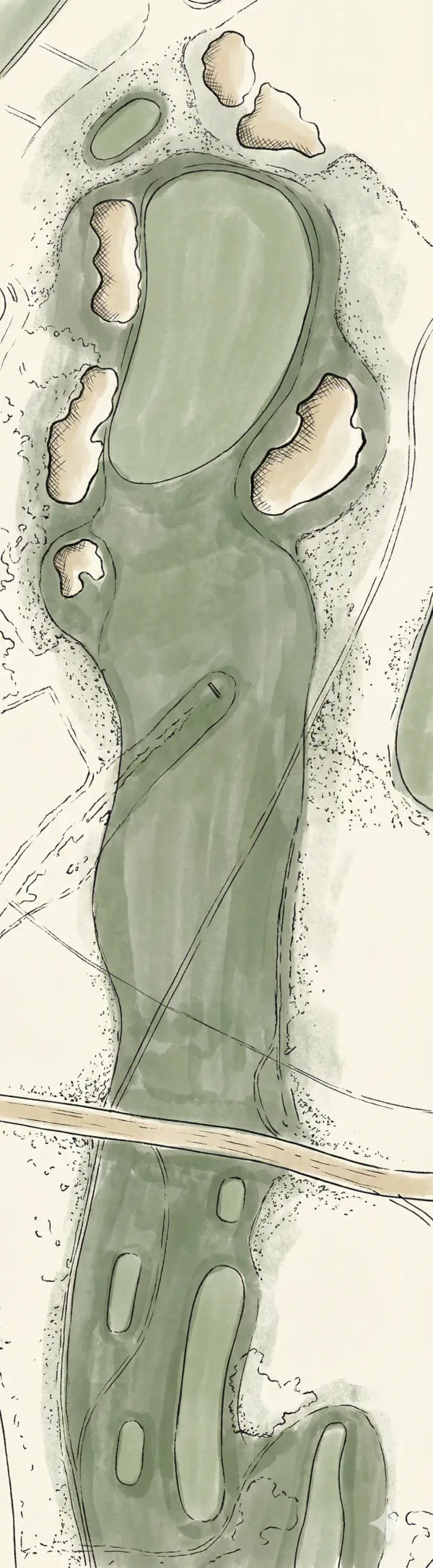
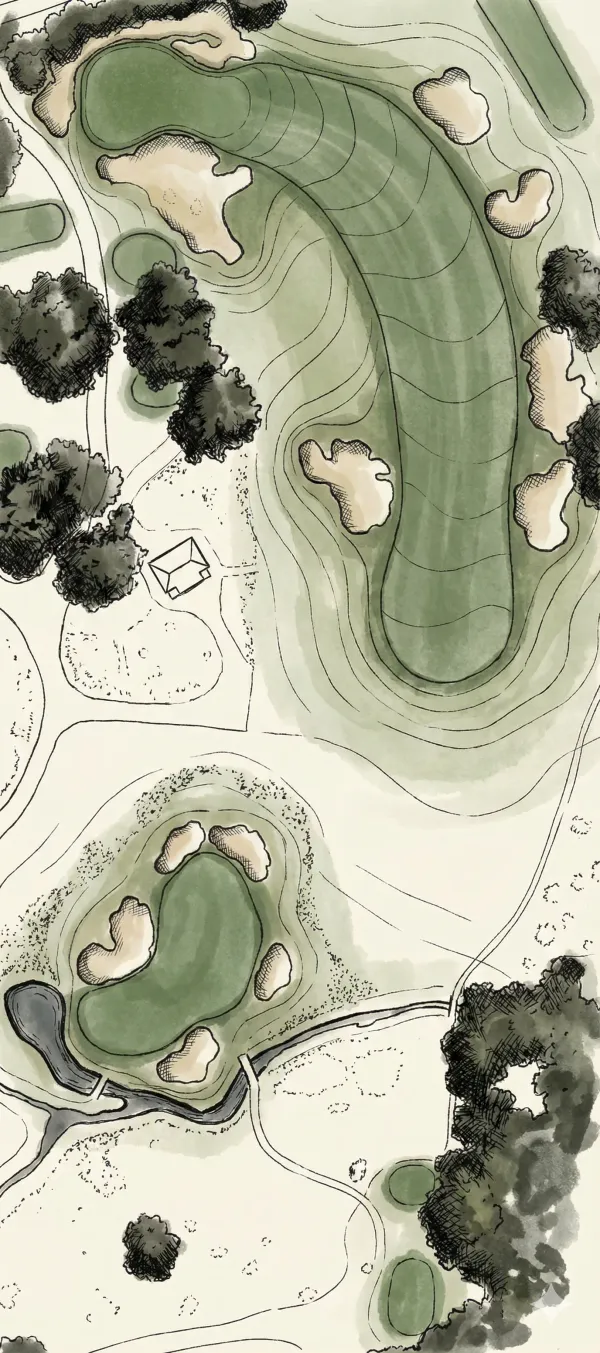
Merion is an anomaly of the highest order. It occupies a suffocatingly small footprint in suburban Philadelphia, bisected by roads and hemmed in by rail lines, yet it remains a terrifying examination of golf. It does not rely on the brute force of distance, but rather on the claustrophobia of its architecture. The famous wicker baskets atop the pins stand stoic and silent, offering no counsel regarding the wind, stripping the player of a critical sensory crutch and forcing a reliance on instinct and yardage.
The course is a study in texture and terror. The white faces of the bunkers flash aggressively from the fairways, often obscuring the landing zones and messing with depth perception. The routing moves through distinct acts, culminating in the quarry holes of the final stretch where the geology is laid bare. Here, the ground falls away into deep pits of rough and sand, demanding shots that must carry the trouble without bounding over the firm, tilted greens. To walk Merion is to understand that grandeur does not require vastness; it only requires a relentless refusal to yield.