Lunchball
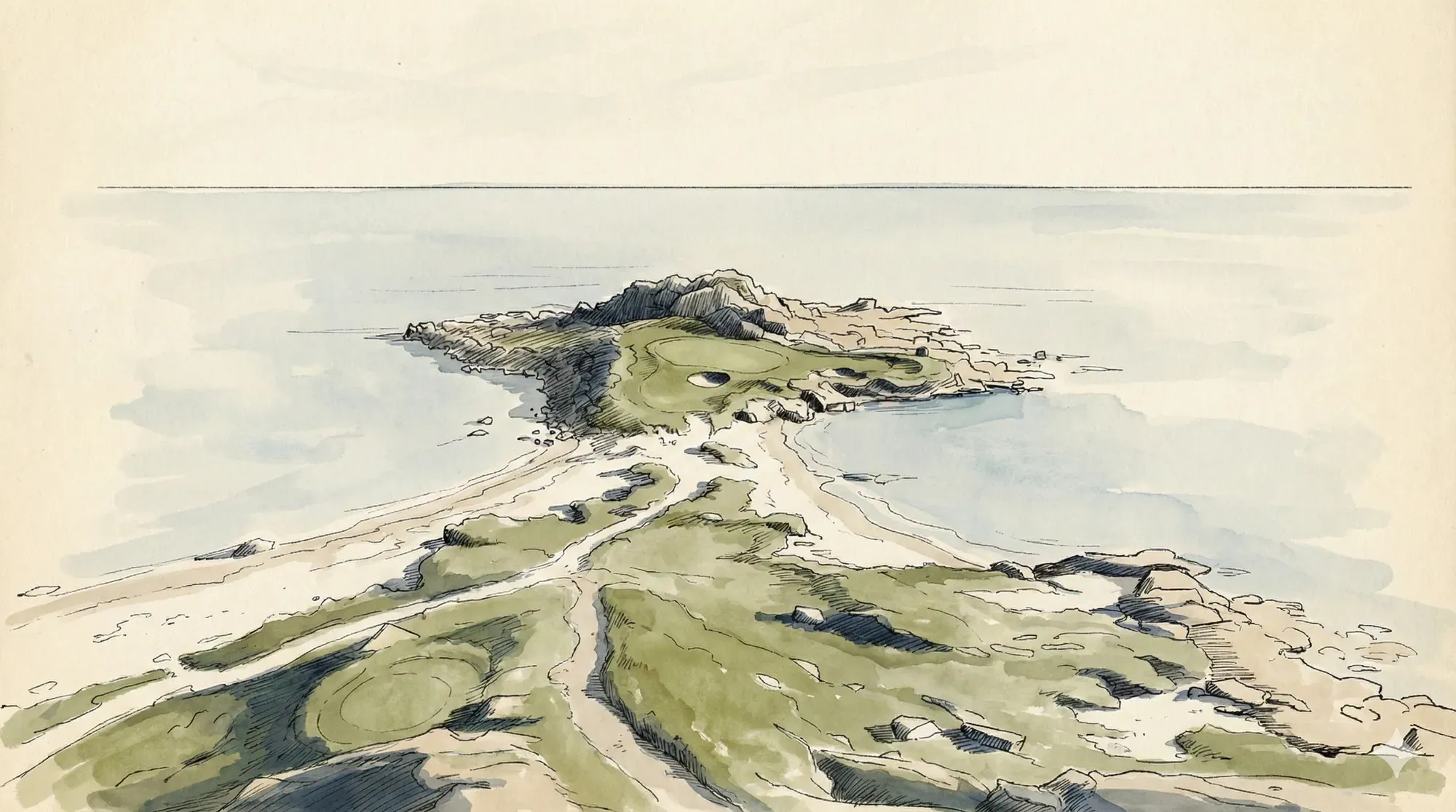
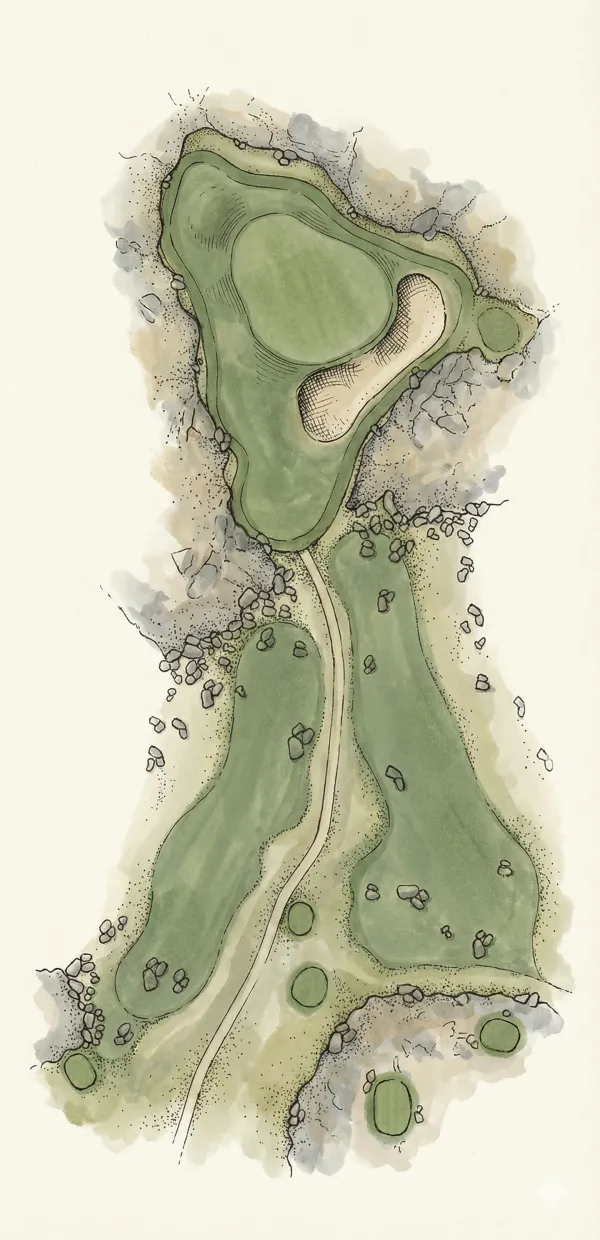
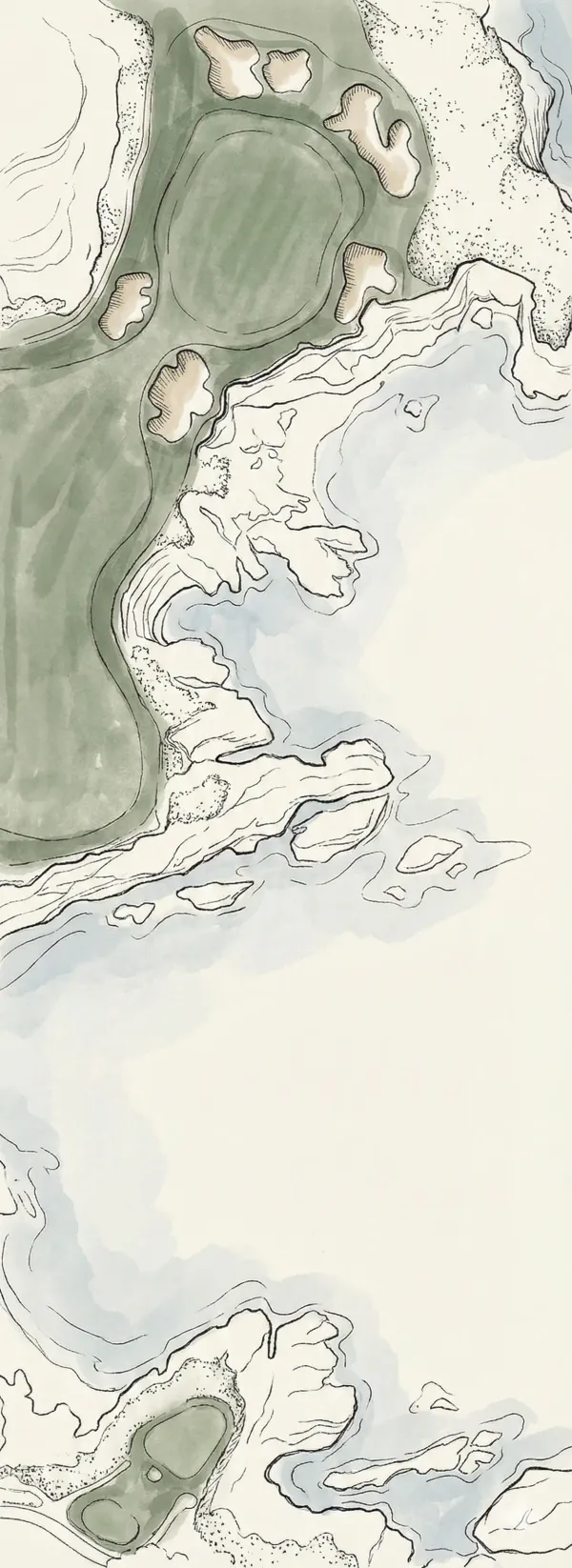
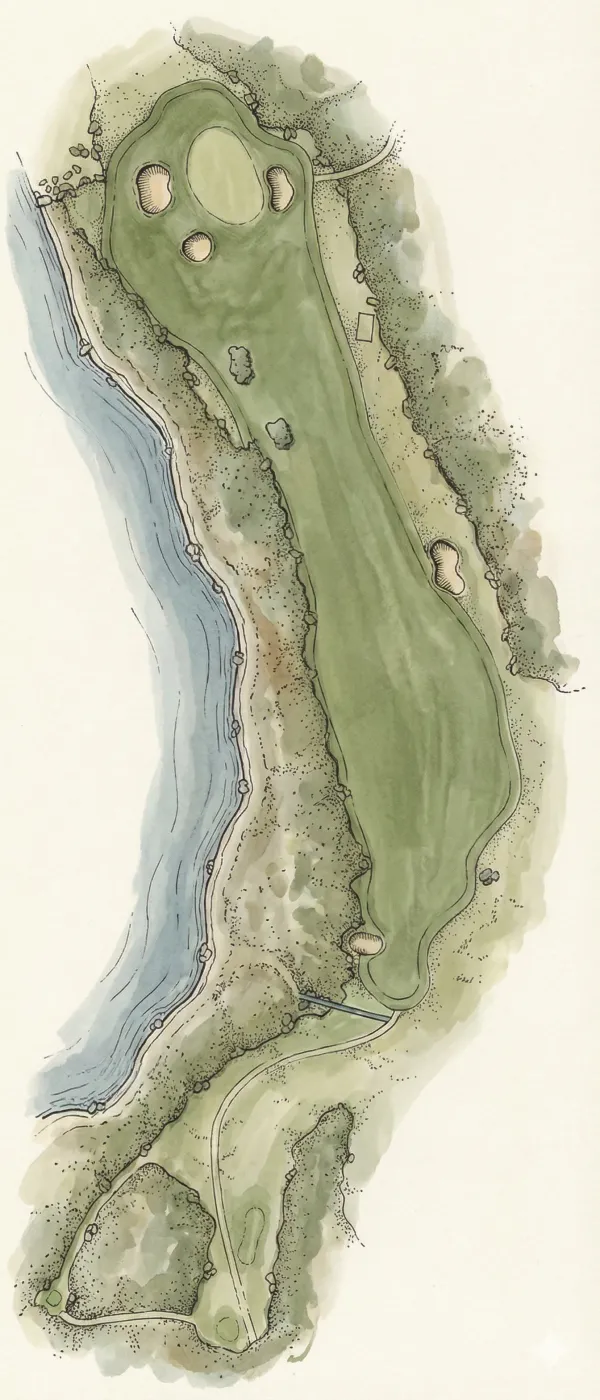
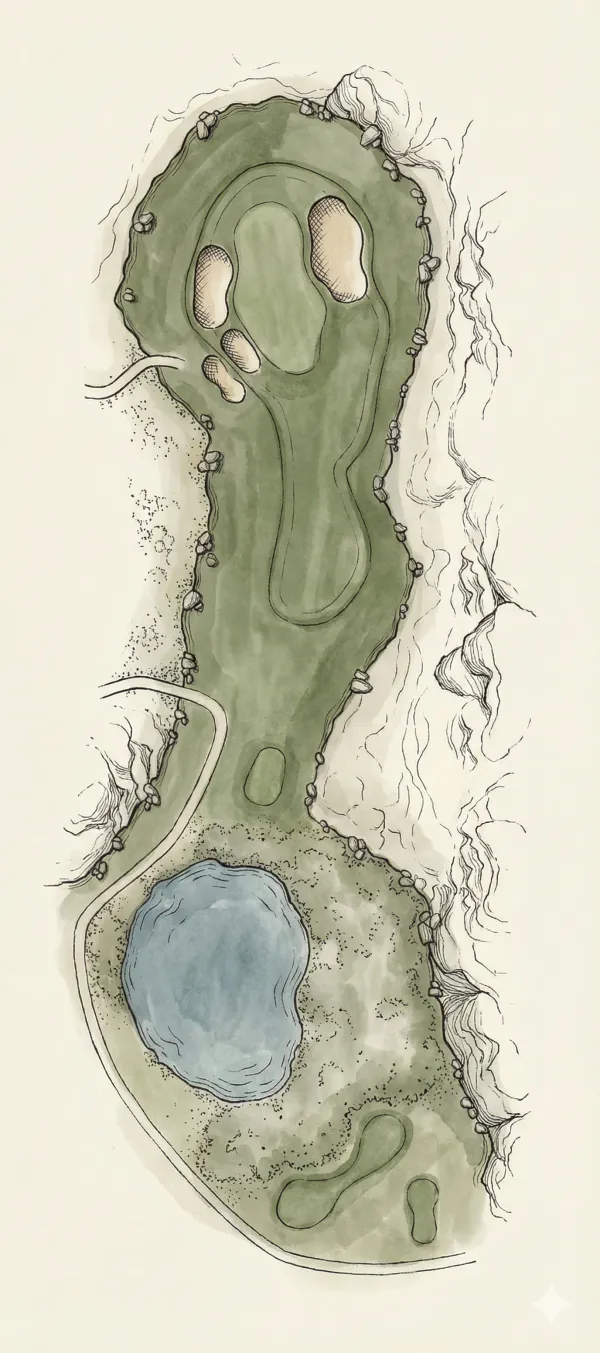
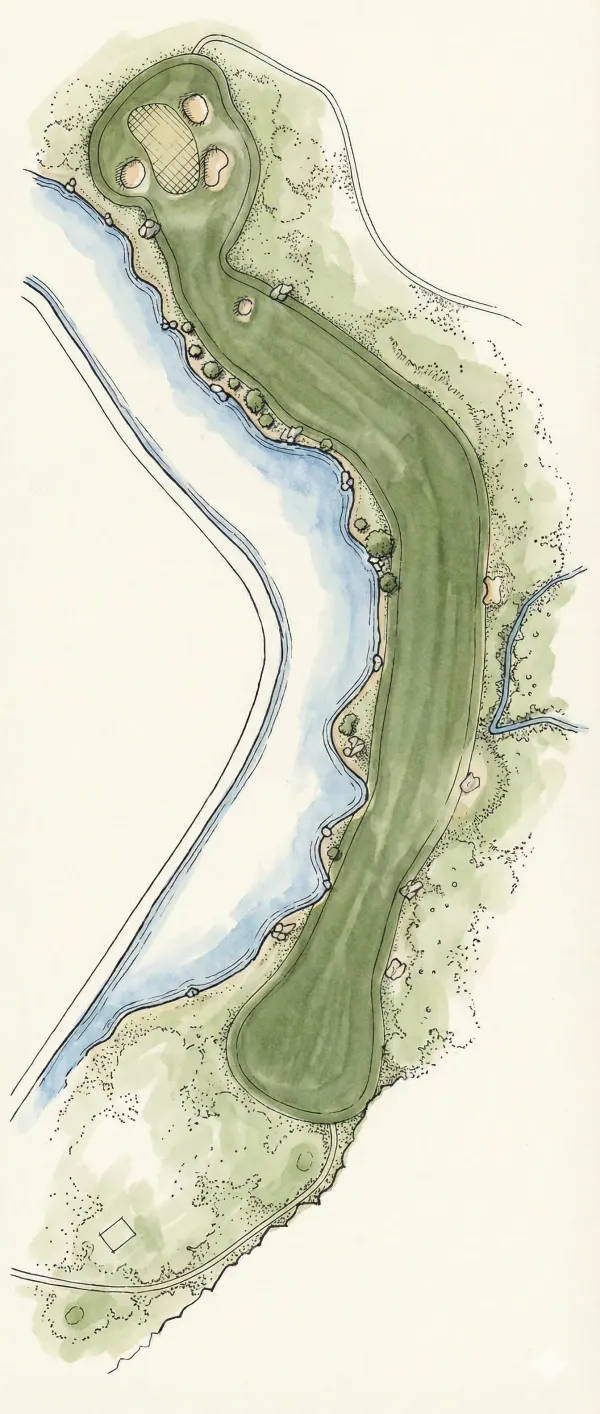
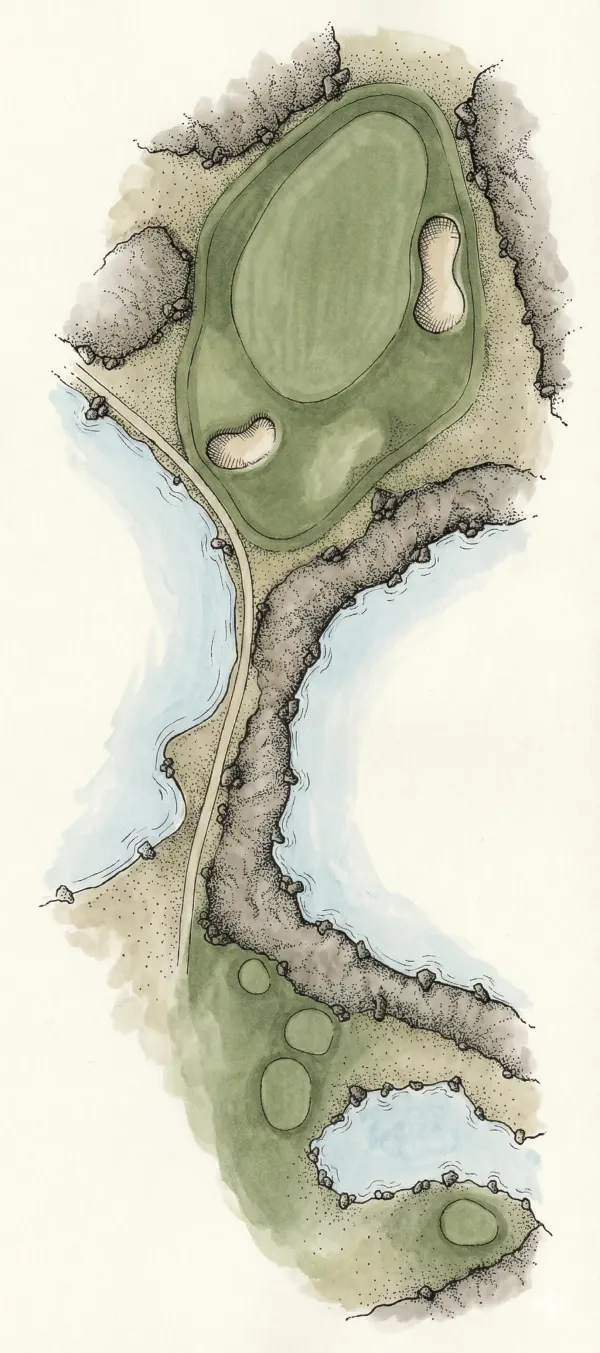
To speak of Lofoten is to speak of the geographical edge. Located well north of the Arctic Circle, the course sits upon a shelf of ancient granite, exposed entirely to the moods of the Norwegian Sea. The architecture here acts as a subtle guide through a landscape that feels prehistoric. Jeremy Turner did not so much build a course as he discovered a routing through the dense heather and the stone. The turf is tight, beaten down by snow and salt, requiring a strike that is crisp and committed.
The ball reacts violently to the contours here, ricocheting off rock outcroppings and tumbling into hollows that seem to hold the cold. It is a place of light—the Midnight Sun allows for play at hours when the rest of the world sleeps—and of wind. The breeze is not merely a factor; it is the dominant hazard, heavy and dense, often turning a simple wedge shot into a low punch that must scuttle along the ground like a frightened animal to find the surface.