Lunchball
Aronimink is a testament to scale. Where many Golden Age courses in the Philadelphia cricket belt rely on intimacy and quirk, Aronimink relies on grandeur. The land heaves with the heavy, rolling topography of Pennsylvania, and Donald Ross draped the routing over these hills with a muscular hand. It is not a course that whispers; it demands. The turf is firm, the trees are pushed back to the perimeter, and the wind has room to hunt.
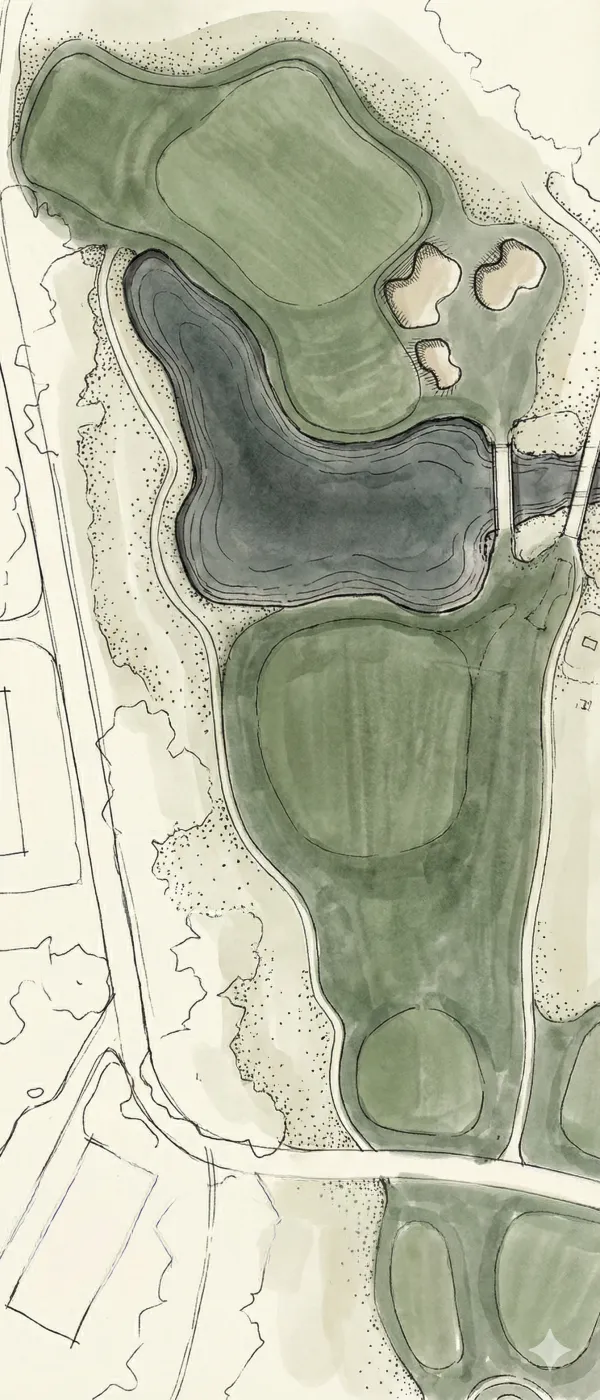
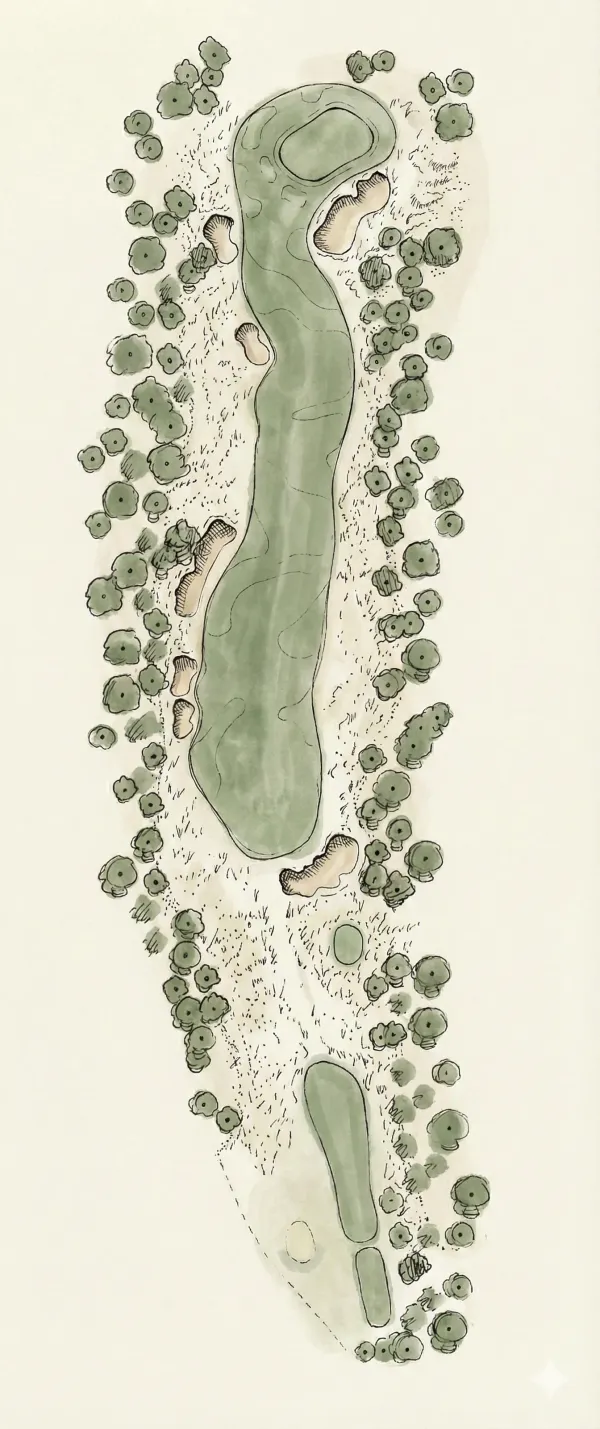
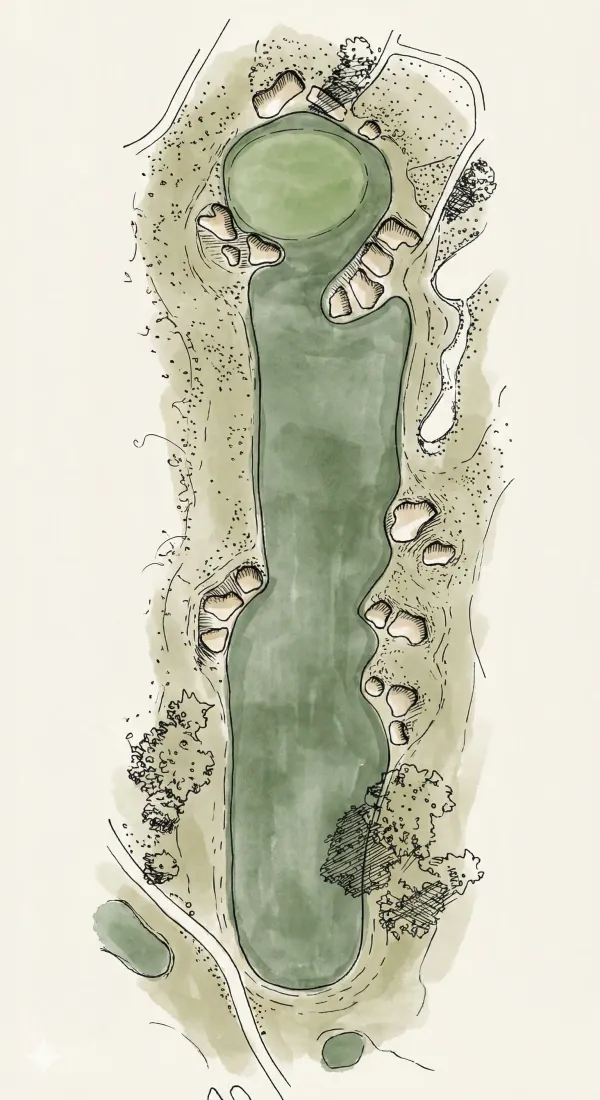
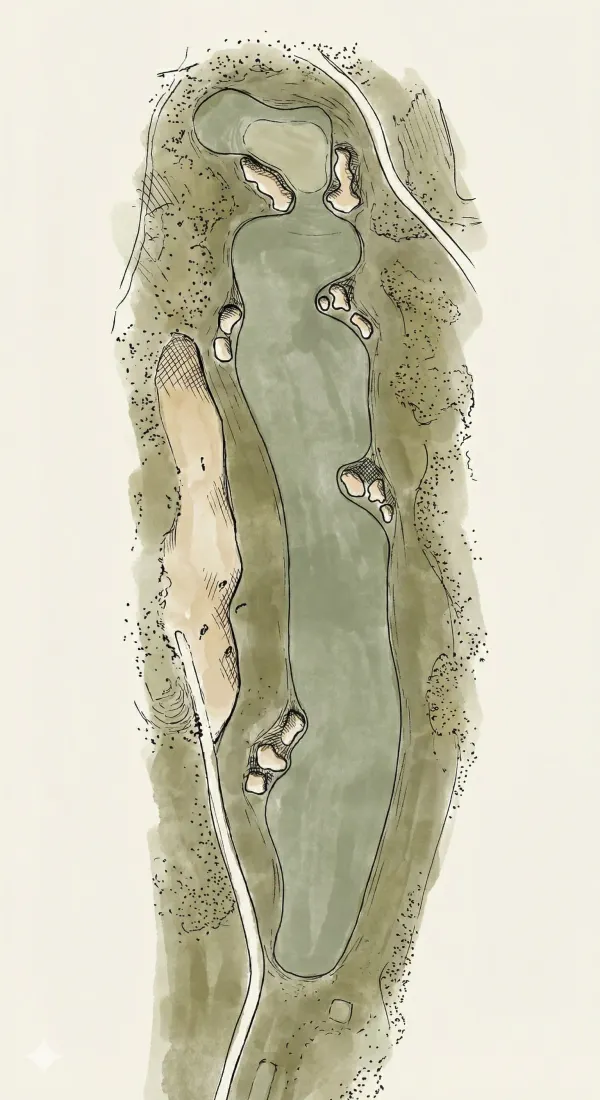
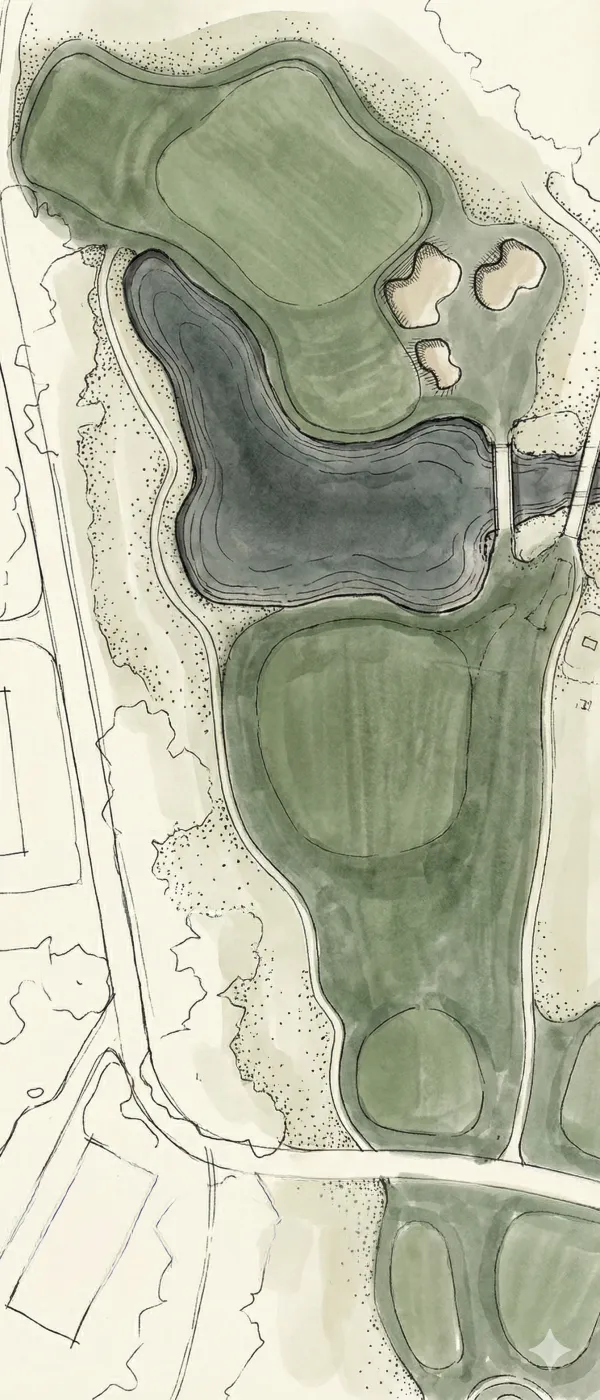
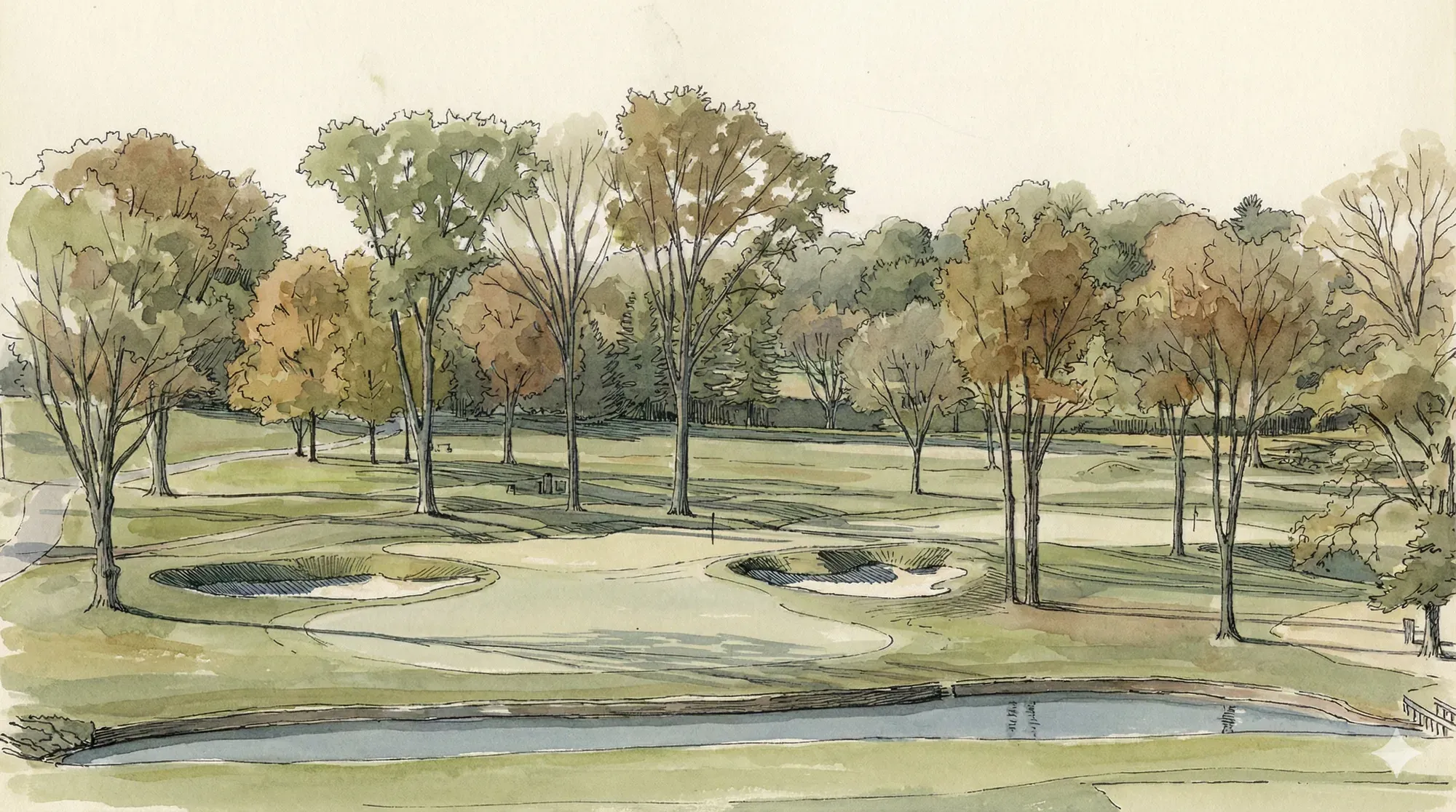
The recent restoration by Gil Hanse unearthed the course’s teeth, specifically regarding the hazards. Ross’s original bunkering was not a collection of solitary ovals but complex clusters—ragged, irregular shapes that look less like sand traps and more like claw marks in the earth. These hazards define the strategy, cutting off the safe angles and forcing the player to challenge the steep shoulders of the greens if they wish to score.
The experience is one of sustained pressure. There are few moments to exhale. The long par fours march uphill and down, requiring distinct shape on the tee shot to hold the cambered fairways. It is a course that separates the ball striker from the pretender, offering no quarter to the mis-hit and rewarding only the most disciplined conviction.