Lunchball
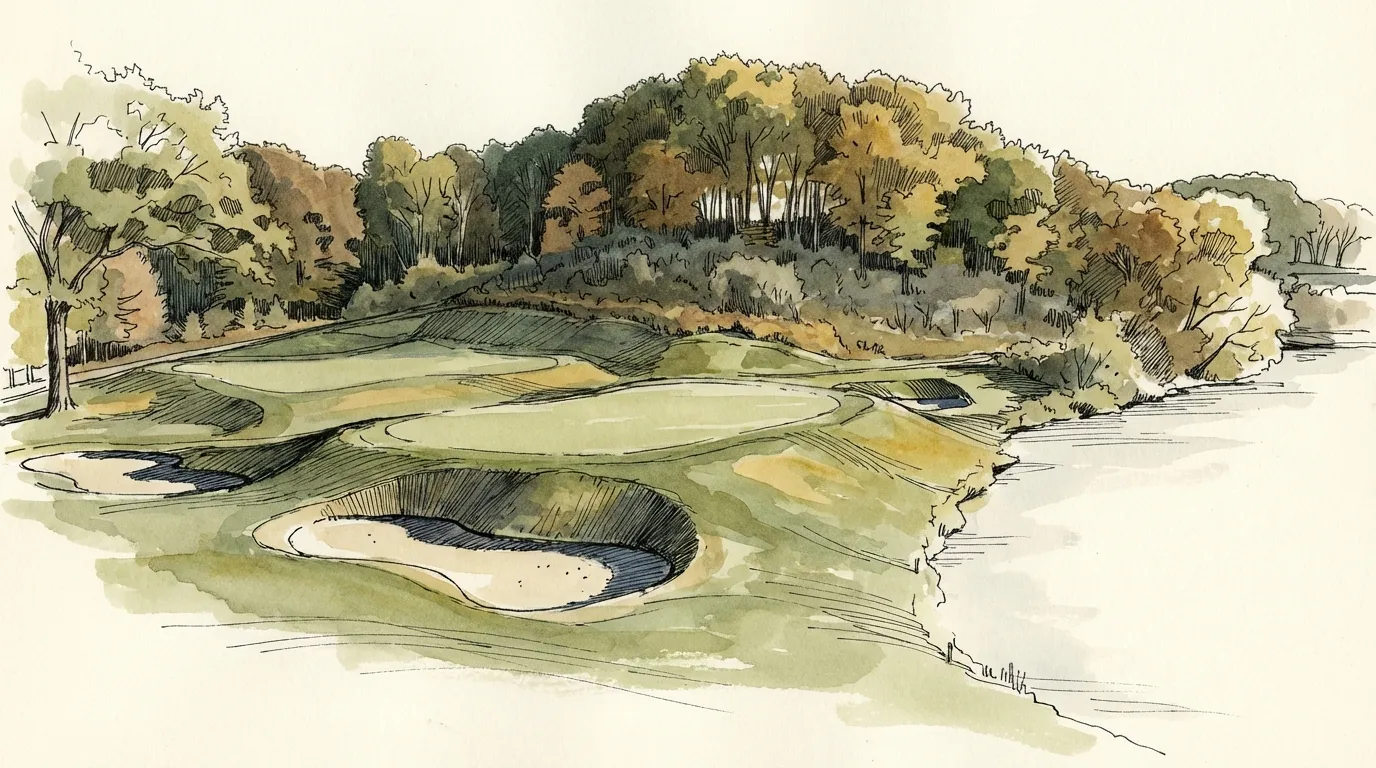
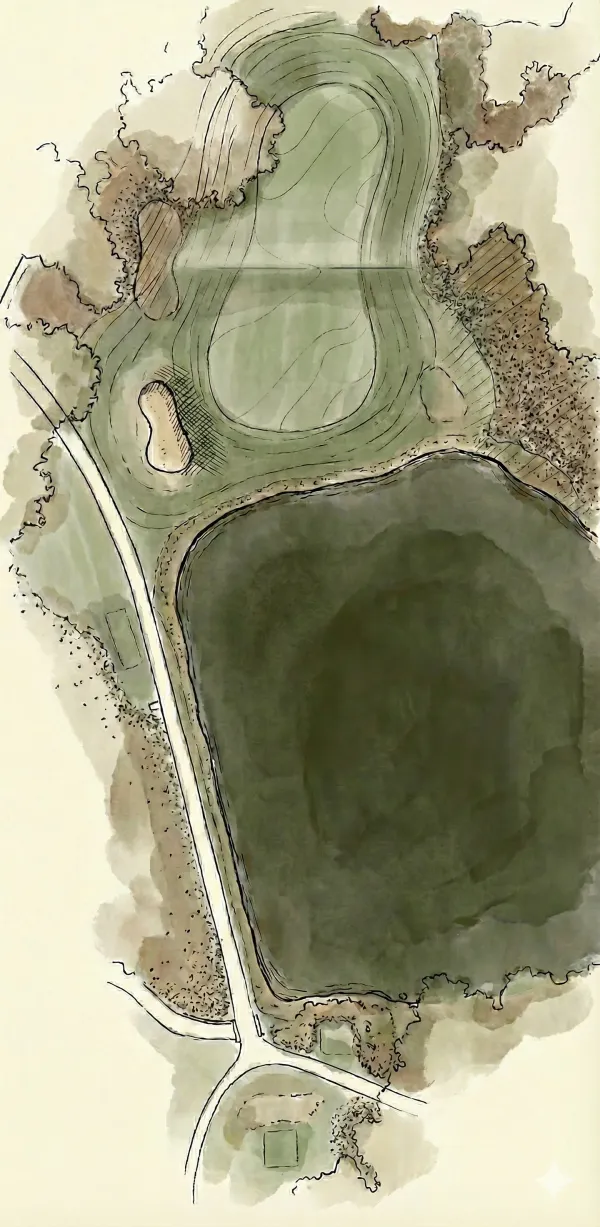
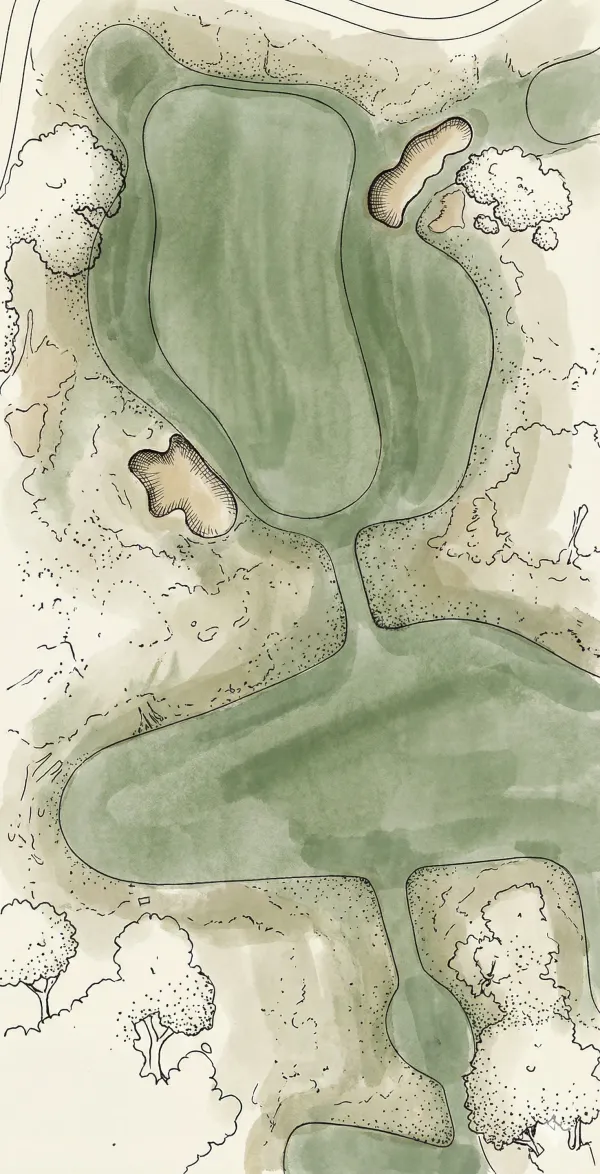
The rock in New Haven does not yield. It must be broken. C.B. Macdonald and Seth Raynor did not merely build a course here; they waged a campaign of dynamite and steam shovels against the Connecticut crust. When Yale opened in 1926, it stood as a monument to financial abandon and architectural force. Subtlety is a foreign language here. The course speaks in shouts. The bunkers are not hazards; they are deep pits that swallow light and hope. The blind shots are unapologetic. The classic templates are rendered at a scale that makes other interpretations look like parlor games. It is a routing carved from stone, a trek through a wilderness that has only reluctantly accepted the presence of grass.
To walk these eighteen holes is to understand the physical toll of the game. Yale is the spiritual forefather to the modern, colossal scale of Landmand, yet it retains the rough, unpolished edges of the Roaring Twenties. The hike requires a sturdy pair of lungs; the shots demand absolute conviction. The greens are severe, possessed of internal contours that reject a timid stroke. Whether staring down the fortress of the Redan or the blind, vertical ascent of the Alps, the player is engaged in a wrestling match with the topography. It is a brute of a course—a place where the geology dictates the strategy, and the golfer is merely a transient guest among the granite.