Lunchball
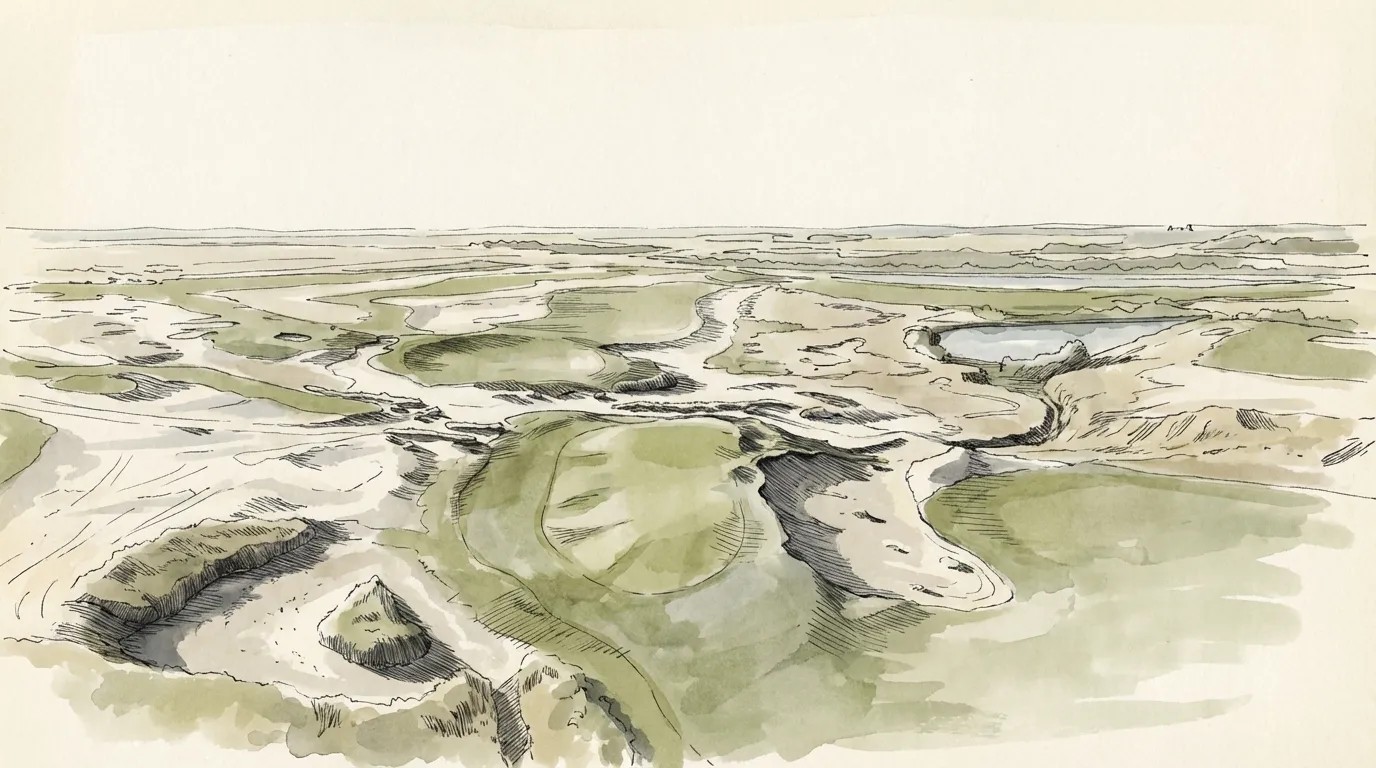
The scale of Streamsong Black is not merely large; it is geological. Gil Hanse and Jim Wagner did not simply construct a golf course here; they excavated a tribute to the Melbourne Sandbelt from the skeletal remains of a phosphate mine. The horizon is dominated by sand. The fairways are vast, heaving corridors designed to accept the heavy Florida winds, yet this width is a deception. The architecture is a study in angles. To attack a flag directly is often folly. The ground is tight and tawny, serving as the primary defender. One must use the shoulders and spines of the green complexes, skipping the ball along the turf like a stone across a pond to find the center.
Separated from its siblings, the Black occupies a lonely ridge. It feels less like a resort component and more like an outpost on the edge of the civilized world. The atmosphere is stark. The sand is sharp-edged and omnipresent. While the presence of the massive putting course suggests a playground, the course itself demands a stoic resolve. It requires the golfer to abandon the comfort of robotic yardages and engage with the wind. Walking these fairways, one feels transported from the humidity of rural Florida to the rugged, sun-bleached heathlands of Victoria.