Lunchball
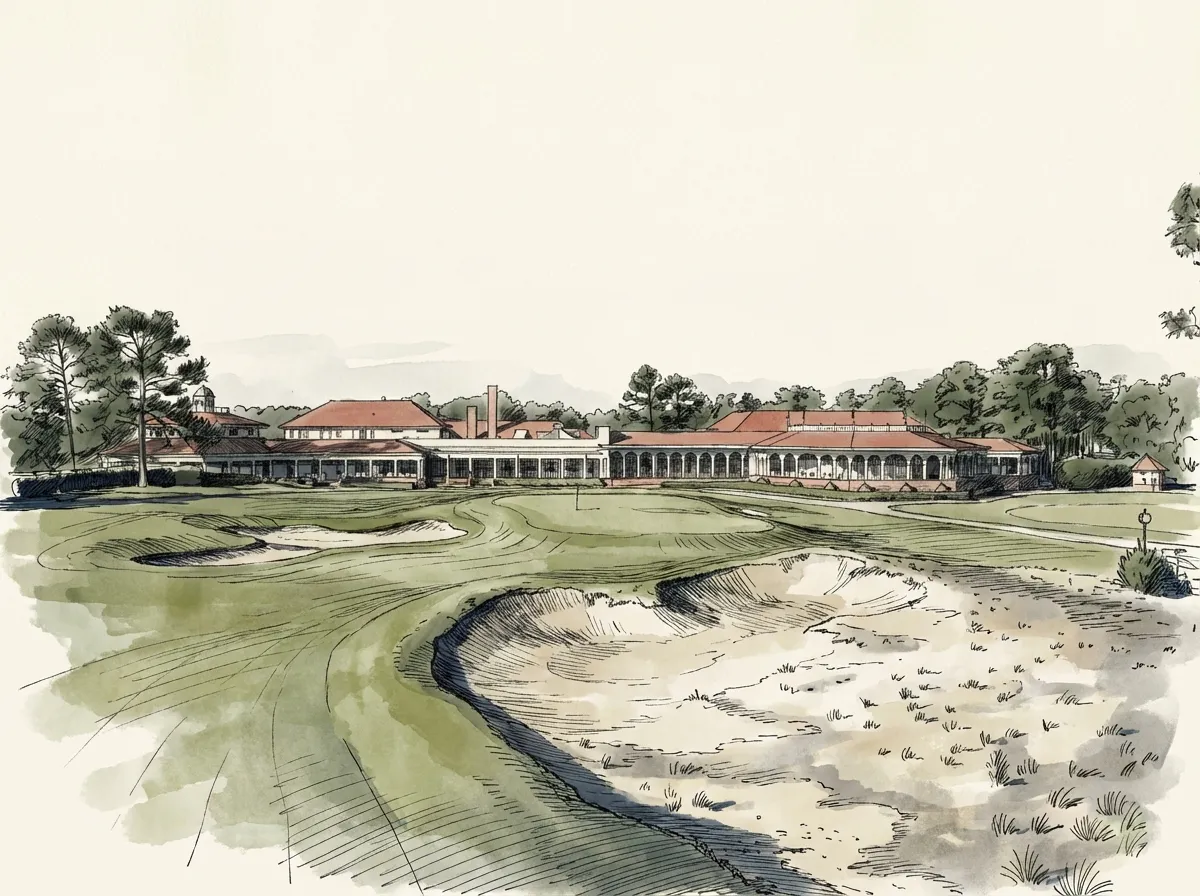
The soil here is sandy and unforgiving, much like the disposition of a golfer who has just three-putted from ten feet. Donald Ross lived on this ground, turning the earth from 1907 until the end, treating the course less like a finished painting and more like a perpetually wet canvas.
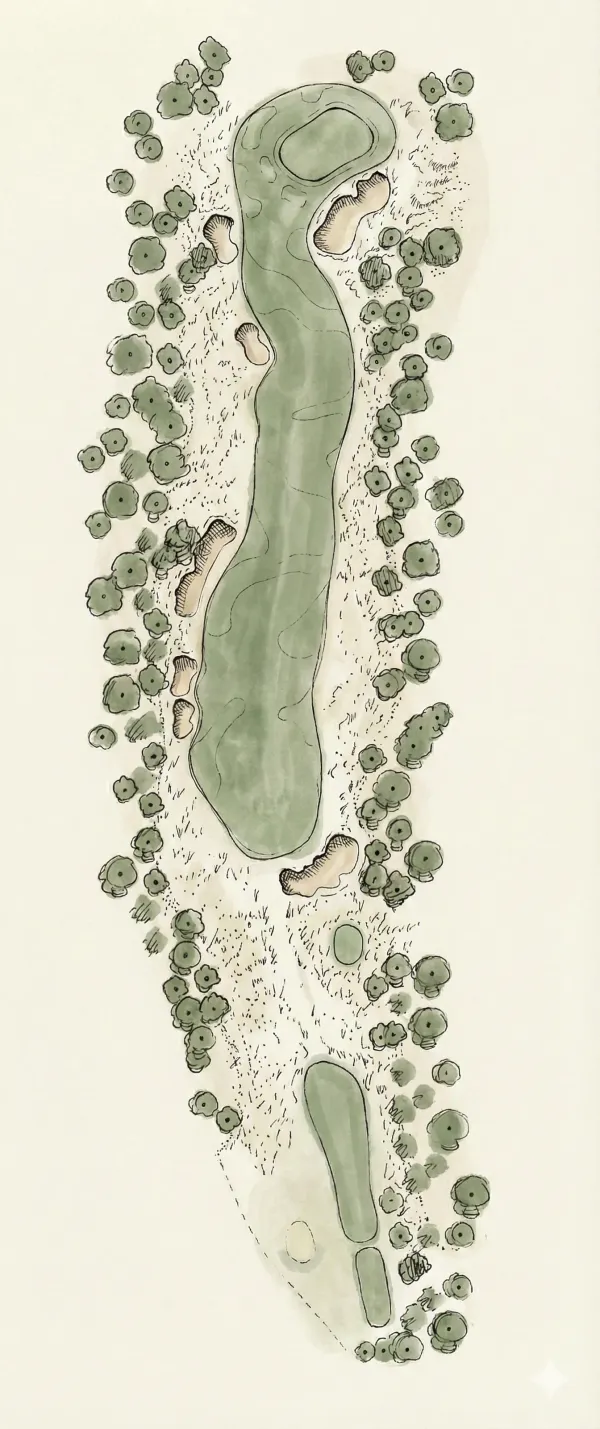
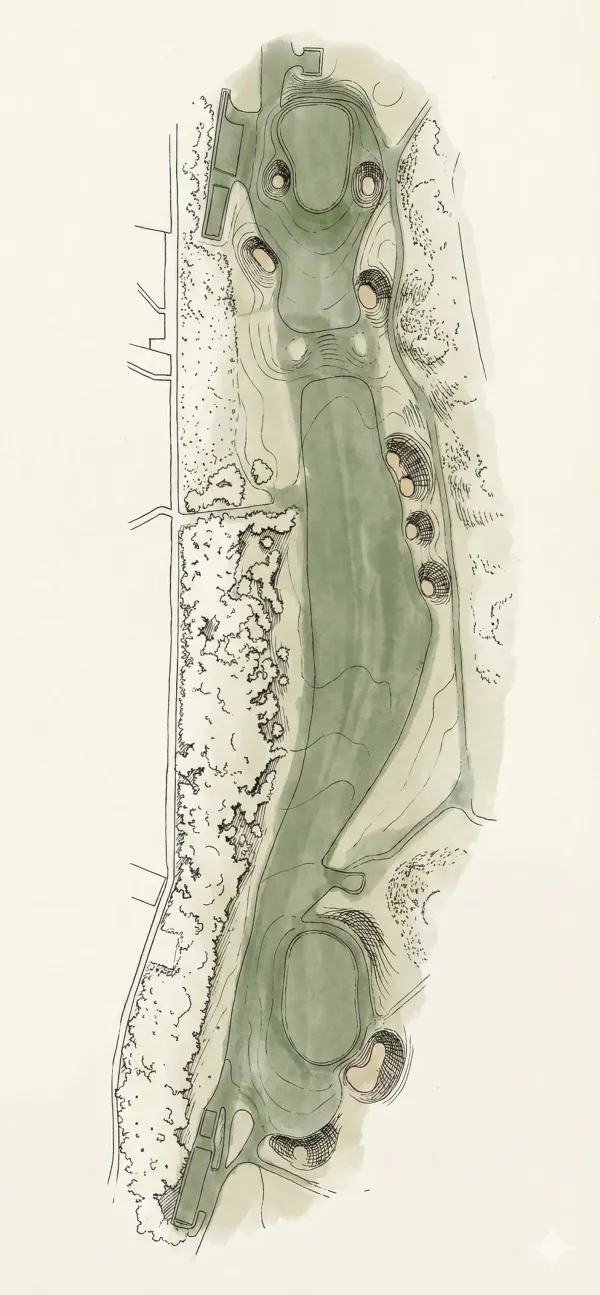
The 2010 excavation by Coore and Crenshaw stripped away the unnatural green claustrophobia, exposing the native wiregrass and hardpan bones of the property. The result is a landscape that looks benign from the tee box. The fairways are wide, welcoming the ego to unleash the driver. This is the architect’s great lie. The width is not a gift; it is a question. To play from the safe middle is to face an impossible angle. One must skirt the sandy edges, risking the erratic lie, to gain entry to the sanctuary of the green.