Lunchball
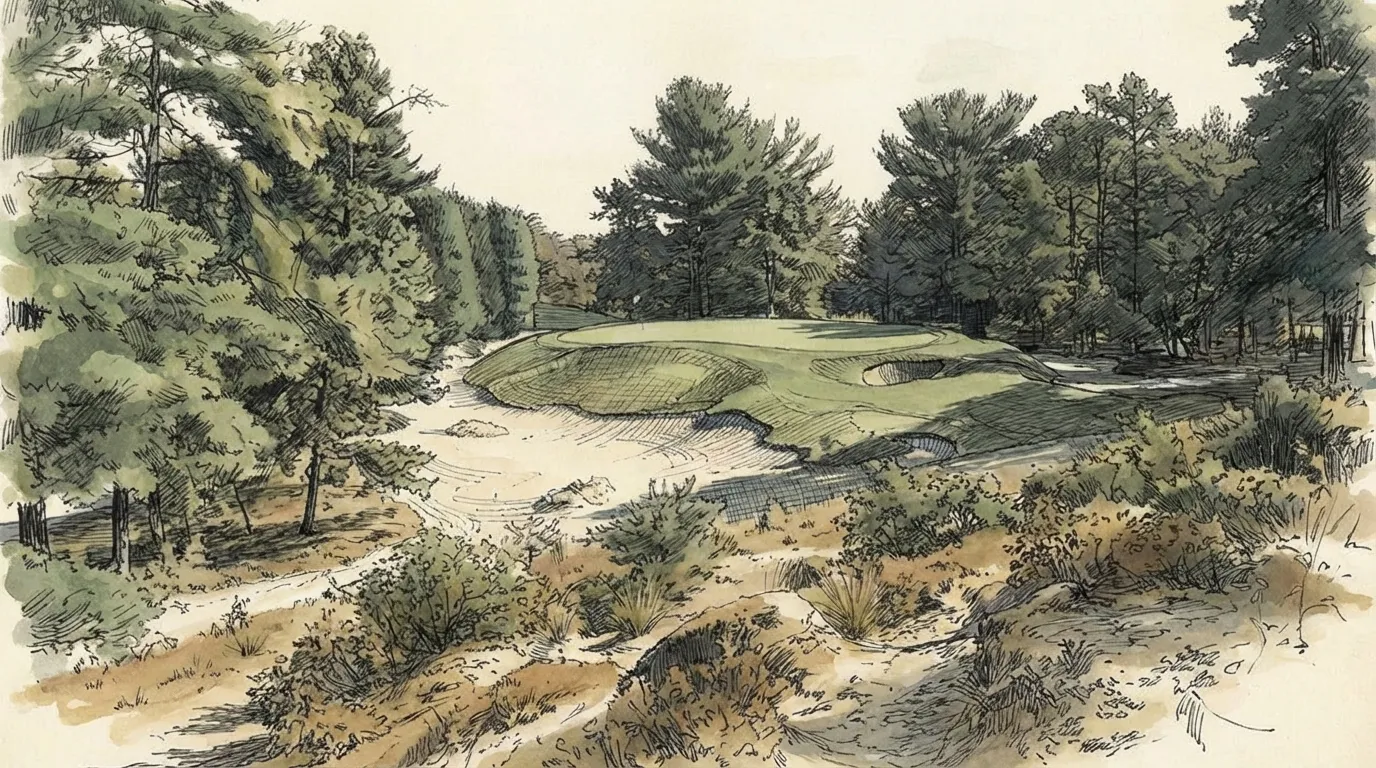
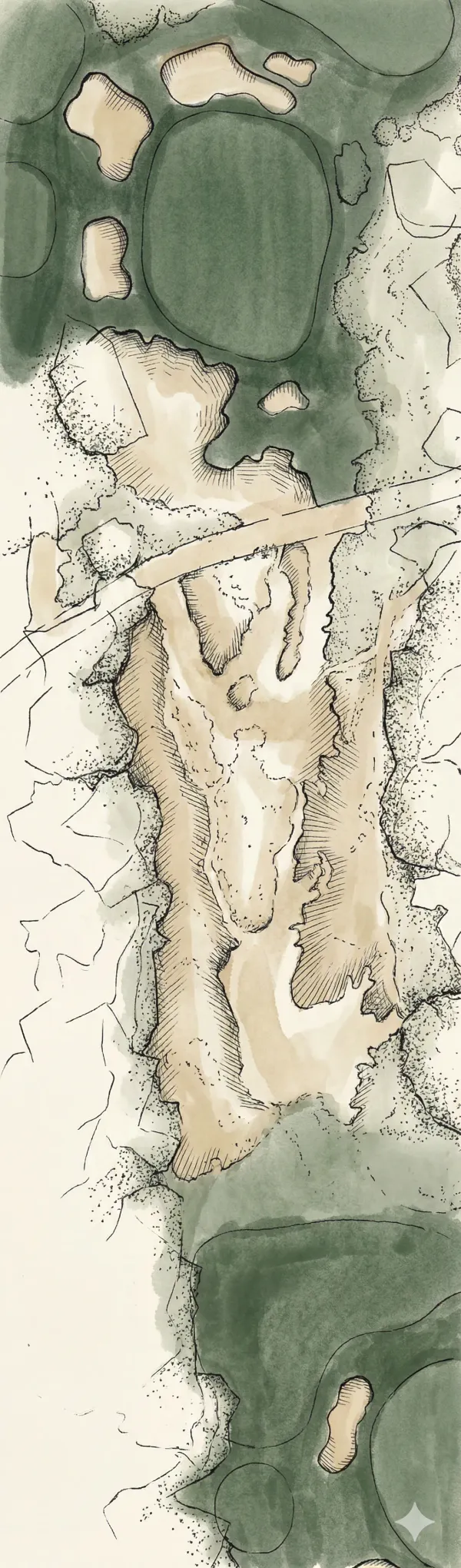
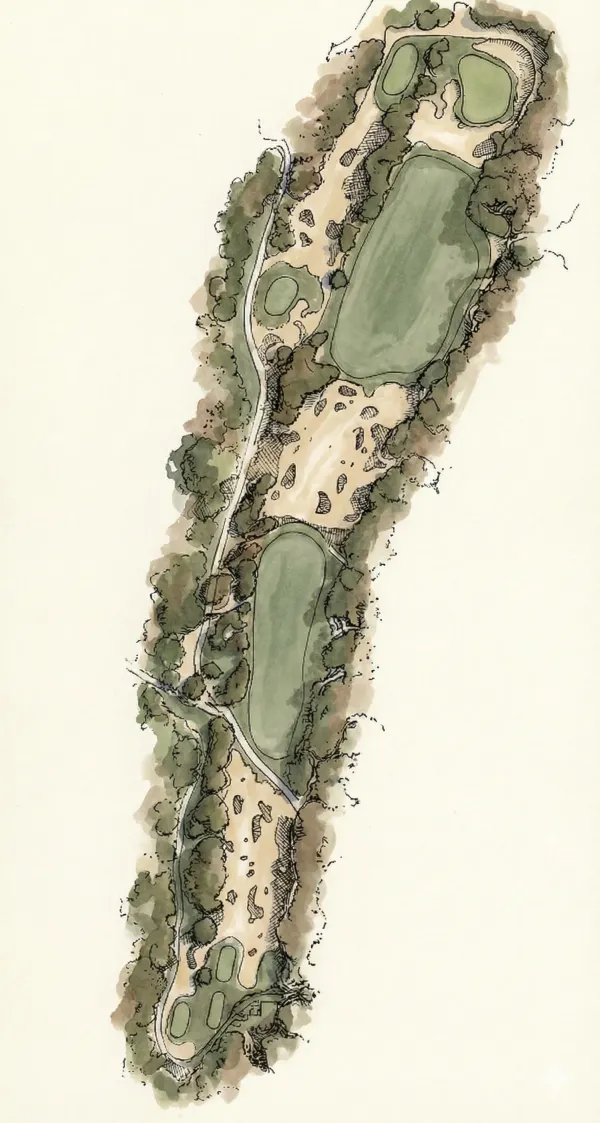
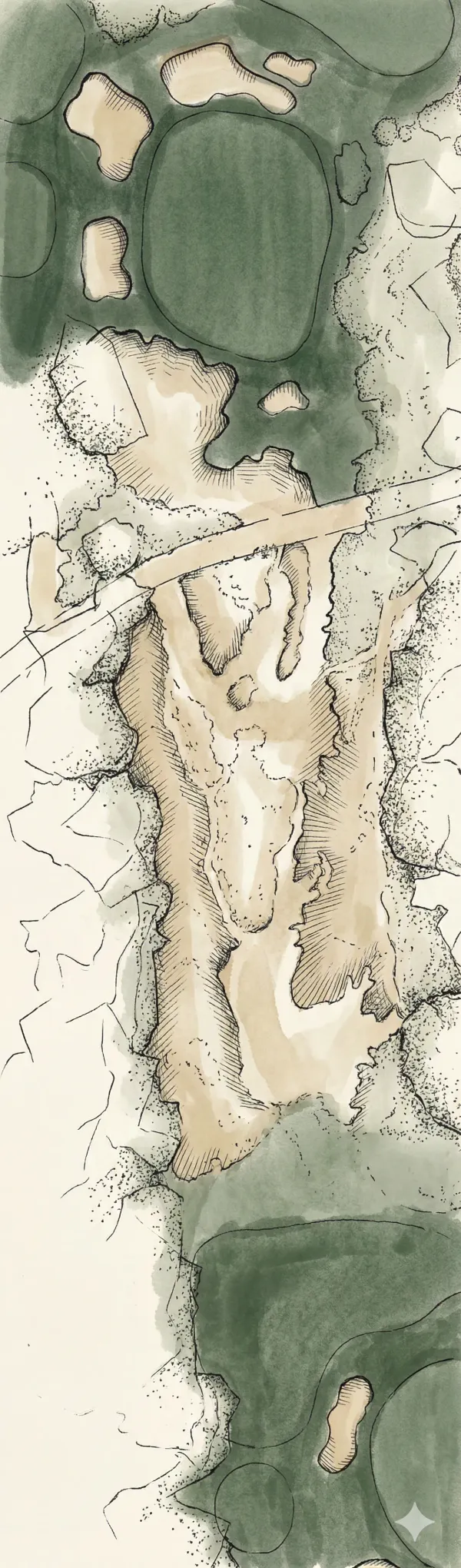
George Crump did not merely build a golf course in the New Jersey barrens; he excavated a monument and died in the effort. Assisted by the steady hand of H.S. Colt, Crump turned a wasteland of sand and scrub into a study in isolation. Each hole occupies its own corridor, severed from the rest of the property by walls of pine. The architecture does not coddle. From the opening drive, the course demands forced carries over waste areas that offer no quarter. It is a test of character as much as mechanics; the ground asks questions that a high handicap cannot answer.
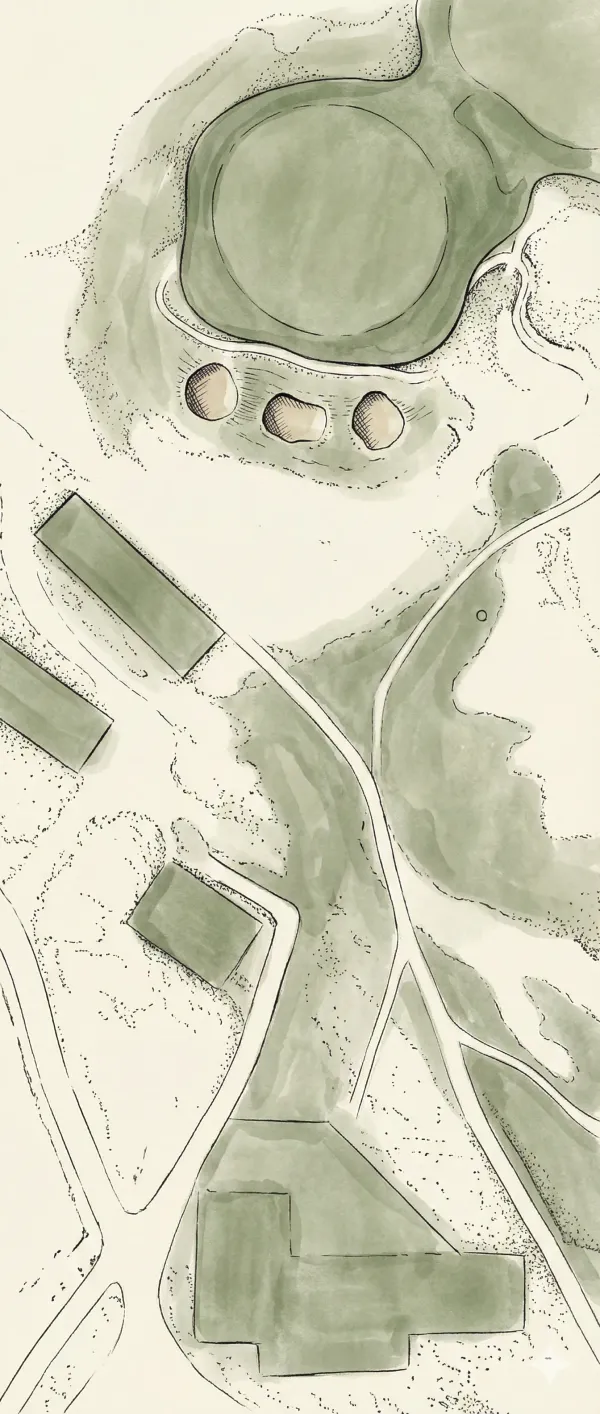
The atmosphere is stripped of modern pretense. The fairways are rugged, bleeding naturally into the sandy waste rather than ending at a manicured edge. The clubhouse sits low and dark, smelling faintly of Snapper soup and damp tweed. It is a quiet place. The members do not boast of their rounds; they simply survive them, grateful to have returned from the wilderness with their dignity intact.