Lunchball
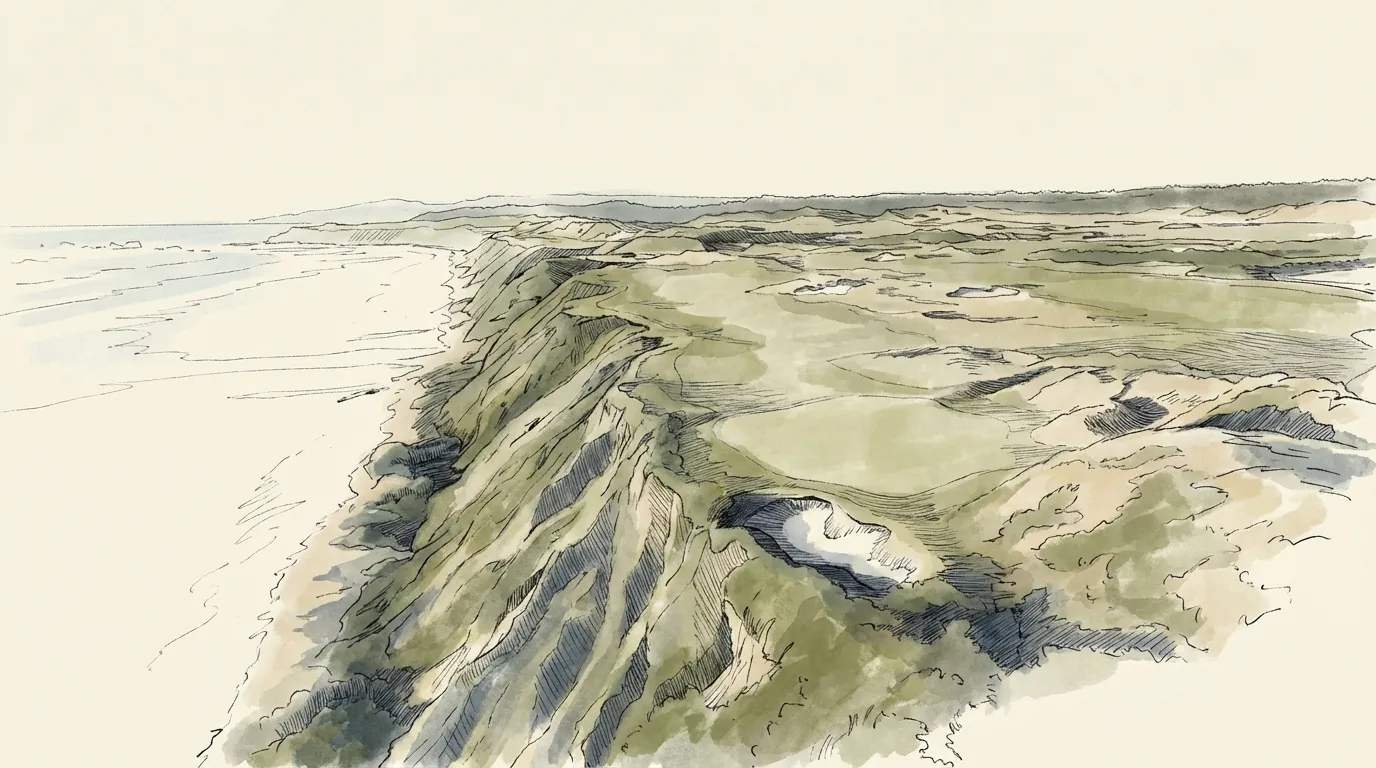
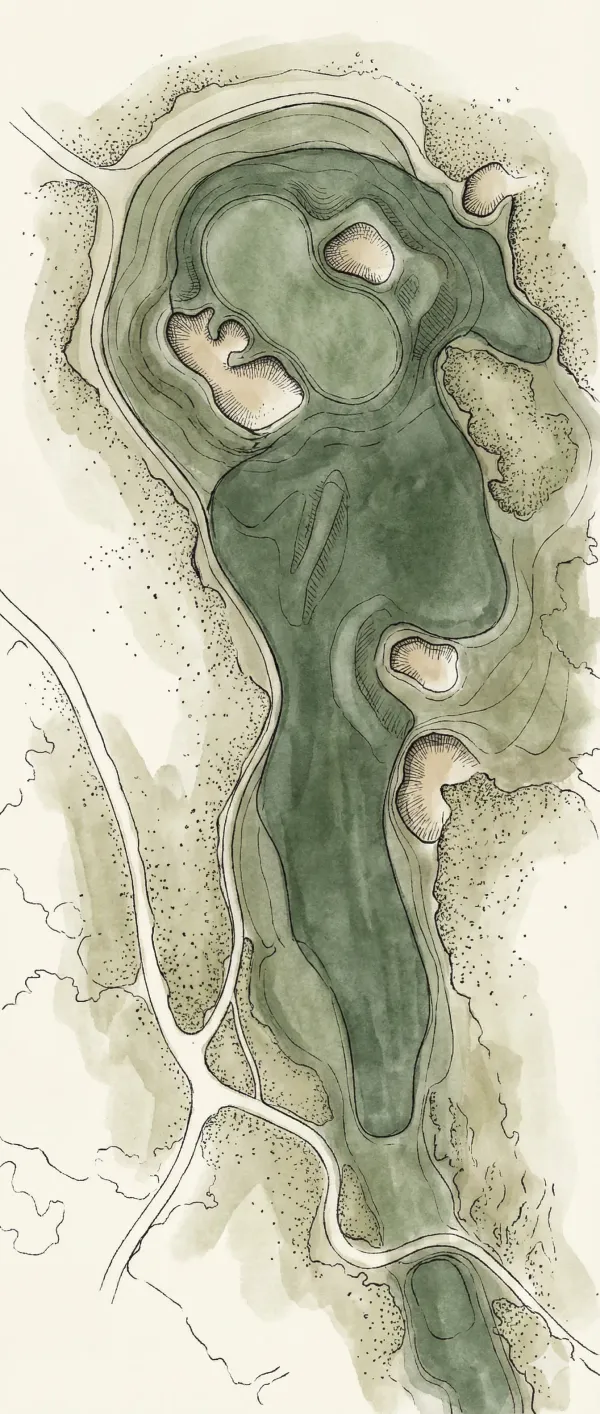
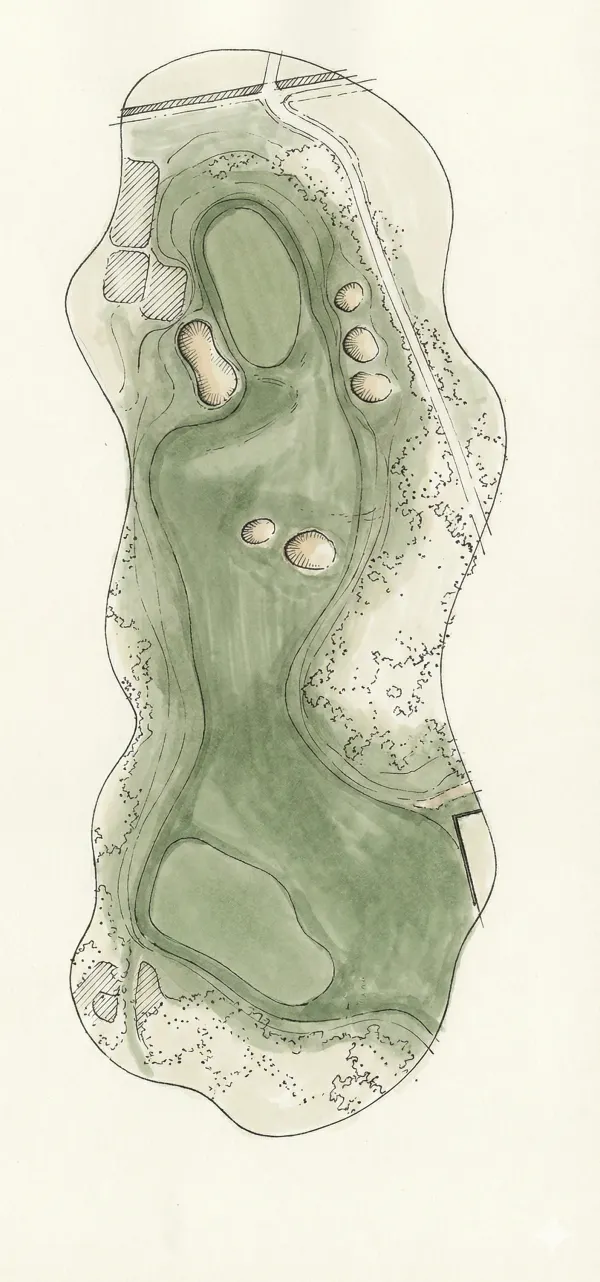
The wind shears off the ocean, finding no resistance until it meets the gorse. Pacific Dunes was not so much built as it was excavated; Tom Doak found the holes hiding in the chaos and simply dusted them off. The routing ignores the polite conventions of the scorecard. It heaves and rolls, offering back-to-back par threes and a back nine cluttered with short holes because the dunes insisted upon it. This is a rejection of the containment era. Here, the ground is hard, the fescue is tight, and the aerial game is a fool’s errand.
To play here is to abandon the ego. The thirteenth is defined by a massive blowout, a raw wound in the sand that dominates the eye. The eleventh is a delicate question asked with a short iron. The turf demands interaction; the ball scurries along the contours, finding hollows and ridges with a mind of its own. Sometimes the kick is favorable. Often, it is not. One accepts the bad bounce here not as a tragedy, but as the price of admission to the edge of the world.