Lunchball
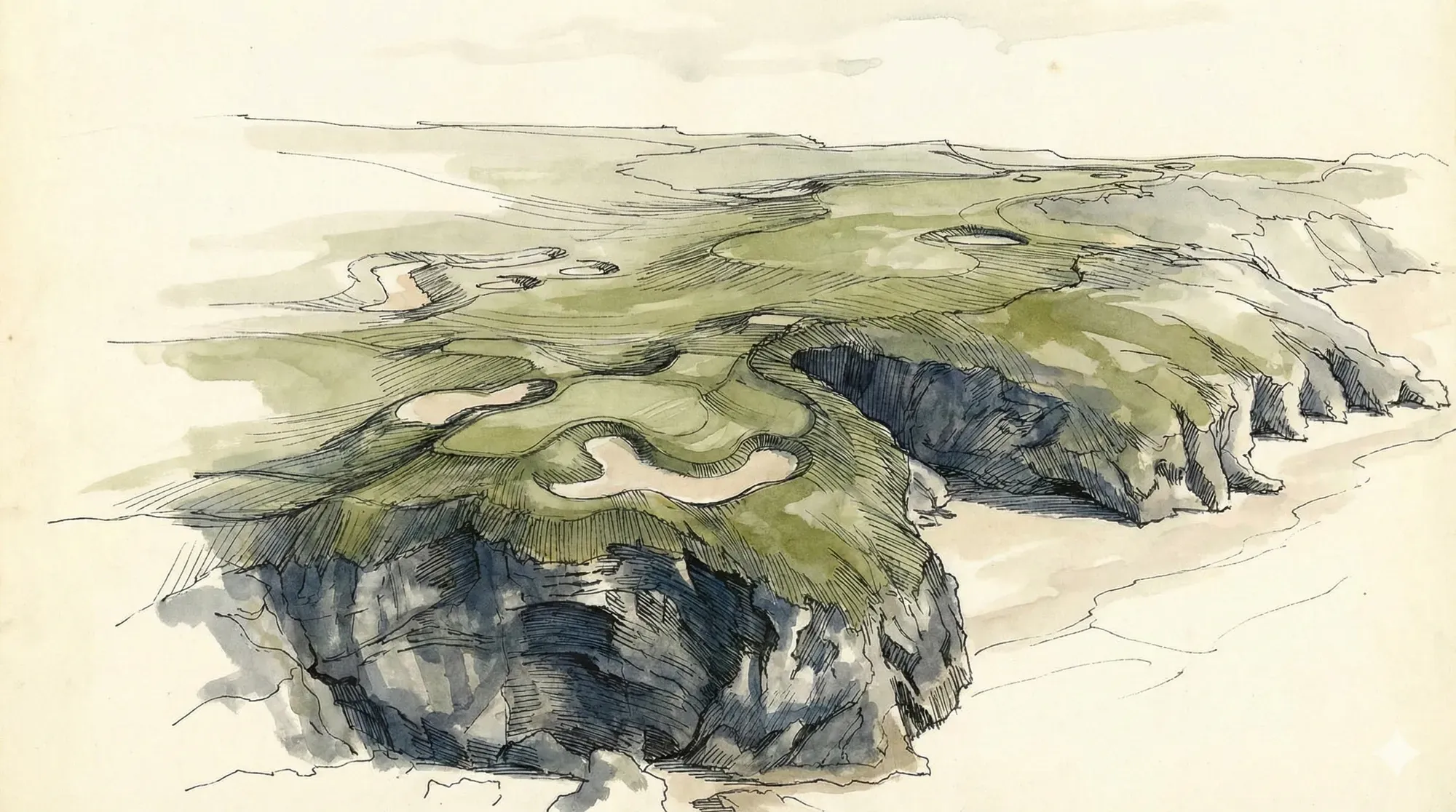
Mid Ocean serves as the tropical outpost of the Macdonald-Raynor gospel, grafted onto a landscape far more volatile than the sandy plains of Long Island. The ground here heaves with volcanic intensity, dropping from limestone cliffs into dense mangrove swamps. While the routing offers the promise of an island escape, the architecture demands a stoic discipline. The Atlantic trade winds are not an atmospheric suggestion but a distinct hazard, constantly altering the effective yardage of Macdonald’s grand templates.
The course is a study in verticality. Unlike the subtle ripples of a Scottish links, Mid Ocean features abrupt shelves and spines that reject indifference. The terrain forces the player to engage with the geometry of the hole immediately off the tee; vague slashes with the driver are punished by coral and dense vegetation. It is a place where the romance of the setting frequently clashes with the brutality of the scorecard.
The restoration work in recent years has peeled back the overgrowth that threatened to soften Macdonald’s original intent. The result is a course that feels crisp and exposed. The bunkers are deep, the lines of play are clear, and the challenge remains as psychological as it is physical. One does not simply play the yardage here; one negotiates with the slope and the gale.