Lunchball
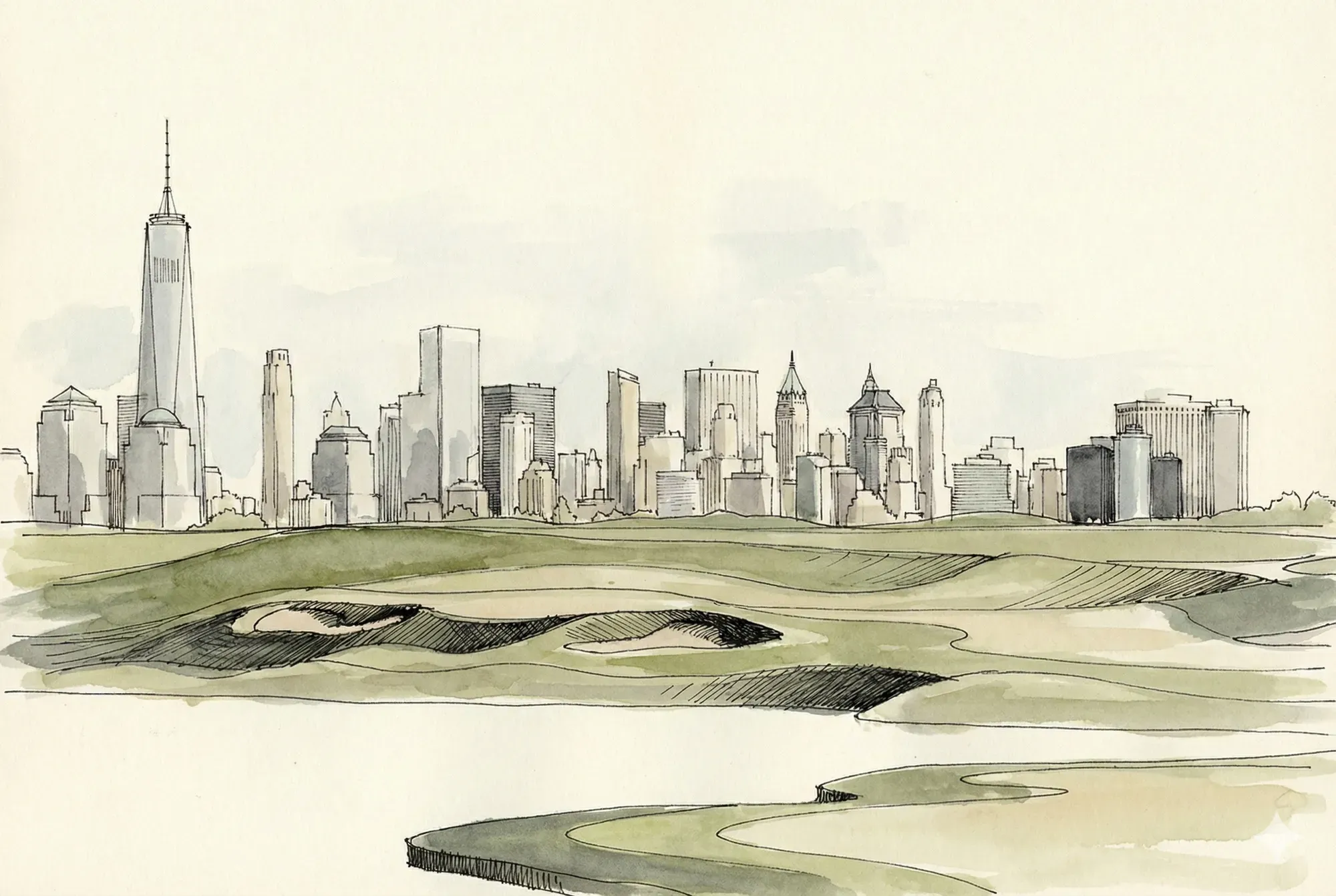
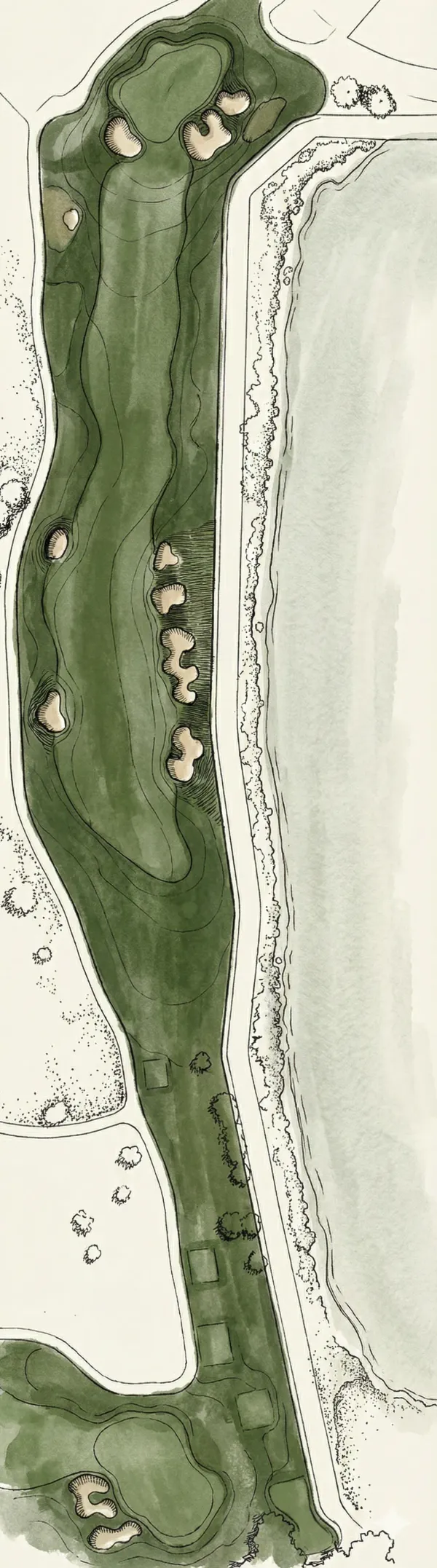
The Statue of Liberty stands watch over the 14th green, her copper torch a stark contrast to the stainless steel and glass of the New York City skyline behind the clubhouse. This is not a course found; it is a course forged from the refuse of industry. Built upon a capped landfill and former oil refinery, Liberty National is a testament to the brute force of engineering over the subtlety of geology. Where nature offered flat, toxic sediment, Cupp and Kite imported millions of cubic yards of soil to manufacture elevation.
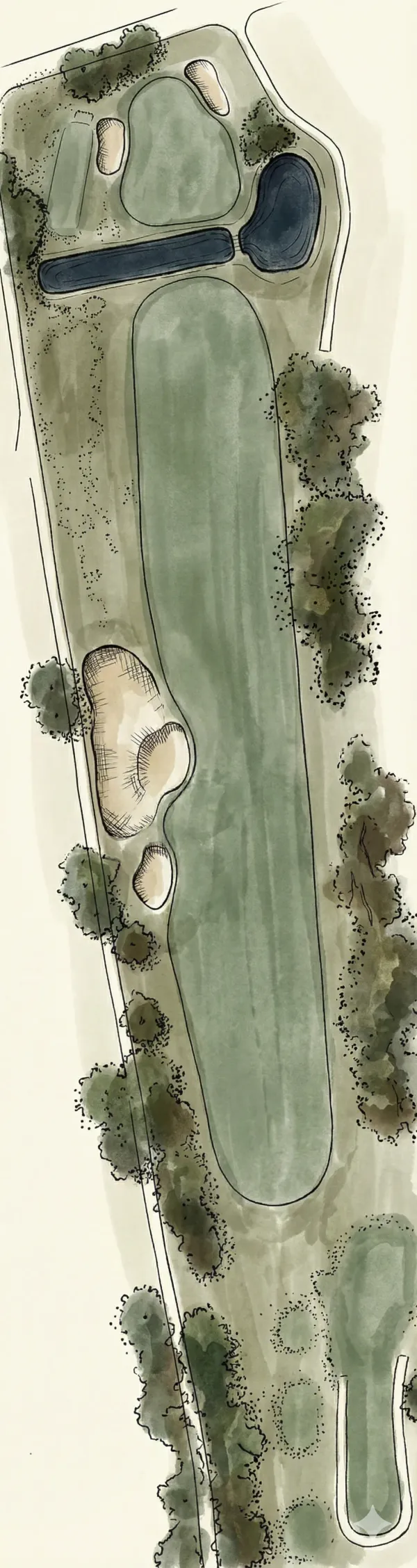
The routing is dizzying, twisting to maximize the vistas of Manhattan rather than following a natural drainage line. The fairways are manicured to a synthetic perfection, bordered by tall, wispy fescue that feels imported rather than indigenous. The bunkering is elaborate, often decorative, framing targets that demand aerial precision rather than the ground game. It is ‘Target Golf’ in its most opulent form—a series of distinct, isolated challenges connected by cart paths rather than a flowing walk.
Yet, when the wind whips off the Hudson River, the gloss fades and the teeth emerge. The course demands a ball striker of the highest order. It is a sterile environment, devoid of the ancient humps and hollows of the linksland it mimics visually, but as a stage for high-stakes drama against the most famous backdrop in the world, it serves its purpose with undeniable theatricality.