Lunchball
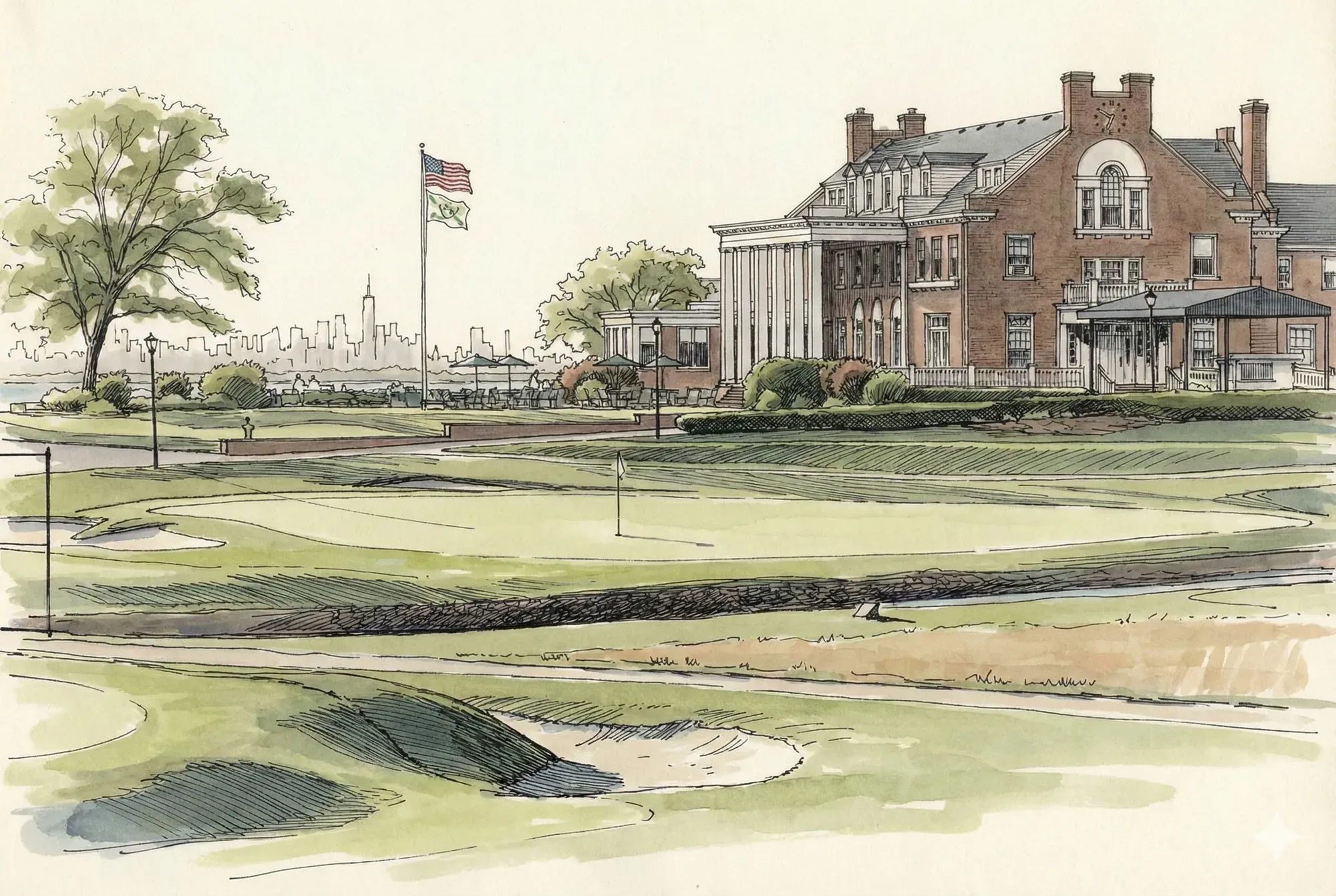
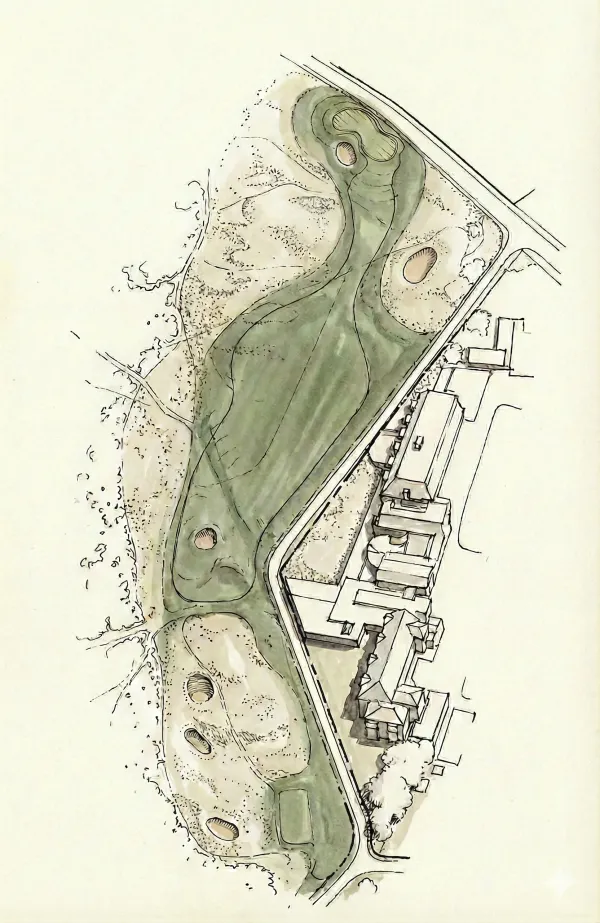
The sod at Inwood lies heavy on the silt of Jamaica Bay, a low, flat expanse where the Atlantic wind moves without interruption. Herbert Strong scraped this course from the marsh, leaving a layout that feels discovered rather than engineered. It was on this stifling turf in 1923 that Bobby Jones finally suffocated his demons and secured his first Open. The recent excavation by Tom Doak has stripped away the ornamental planting, exposing the bones of the place. The course has returned to its sepia origins; the bunkers are no longer groomed basins, but jagged scars in the sandy soil.
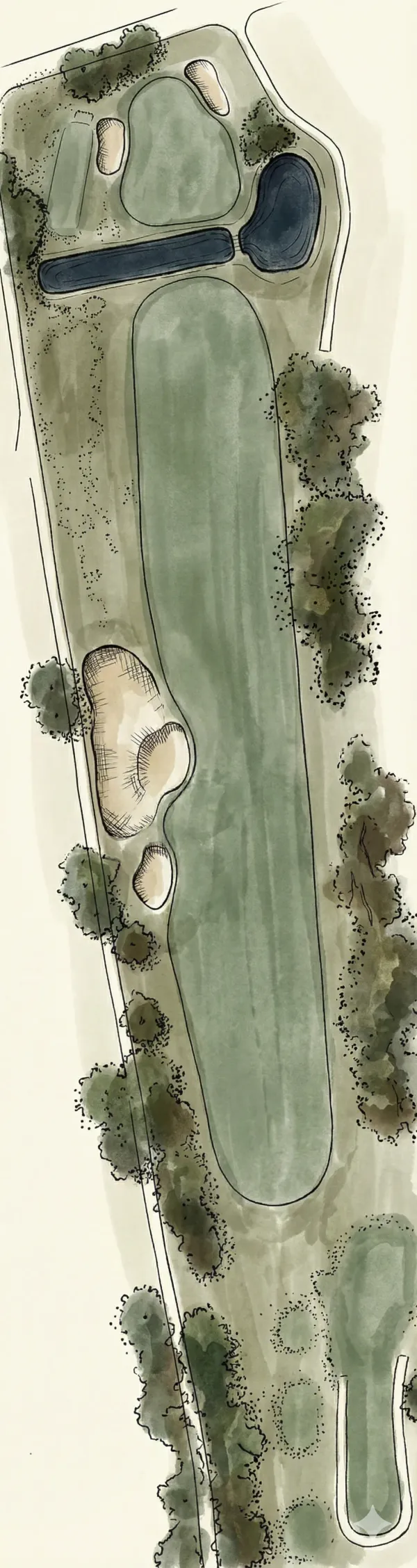
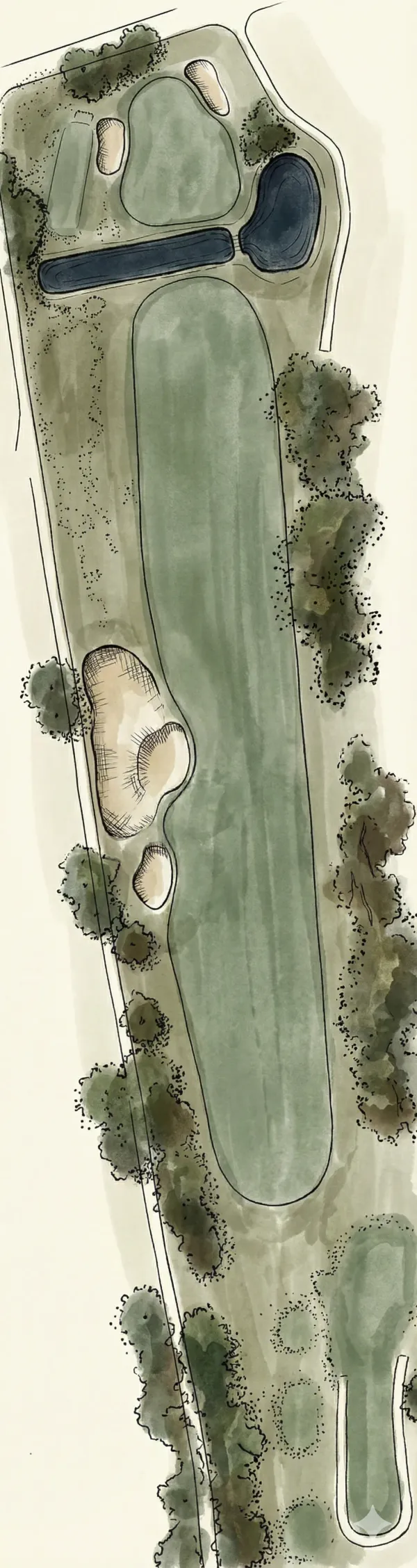
There is no room here for the modern bomb-and-gouge. Inwood rejects the aerial assault. The fairways are slender corridors, hemmed in by rough that tangles the club. The routing boxes the compass, turning the wind from a constant companion into a shifting antagonist. The card claims a mere 6,600 yards—a number that invites arrogance. The architecture punishes it. This is a horizontal examination of nerve, proving that a course need not stretch the legs to break the heart.