Lunchball
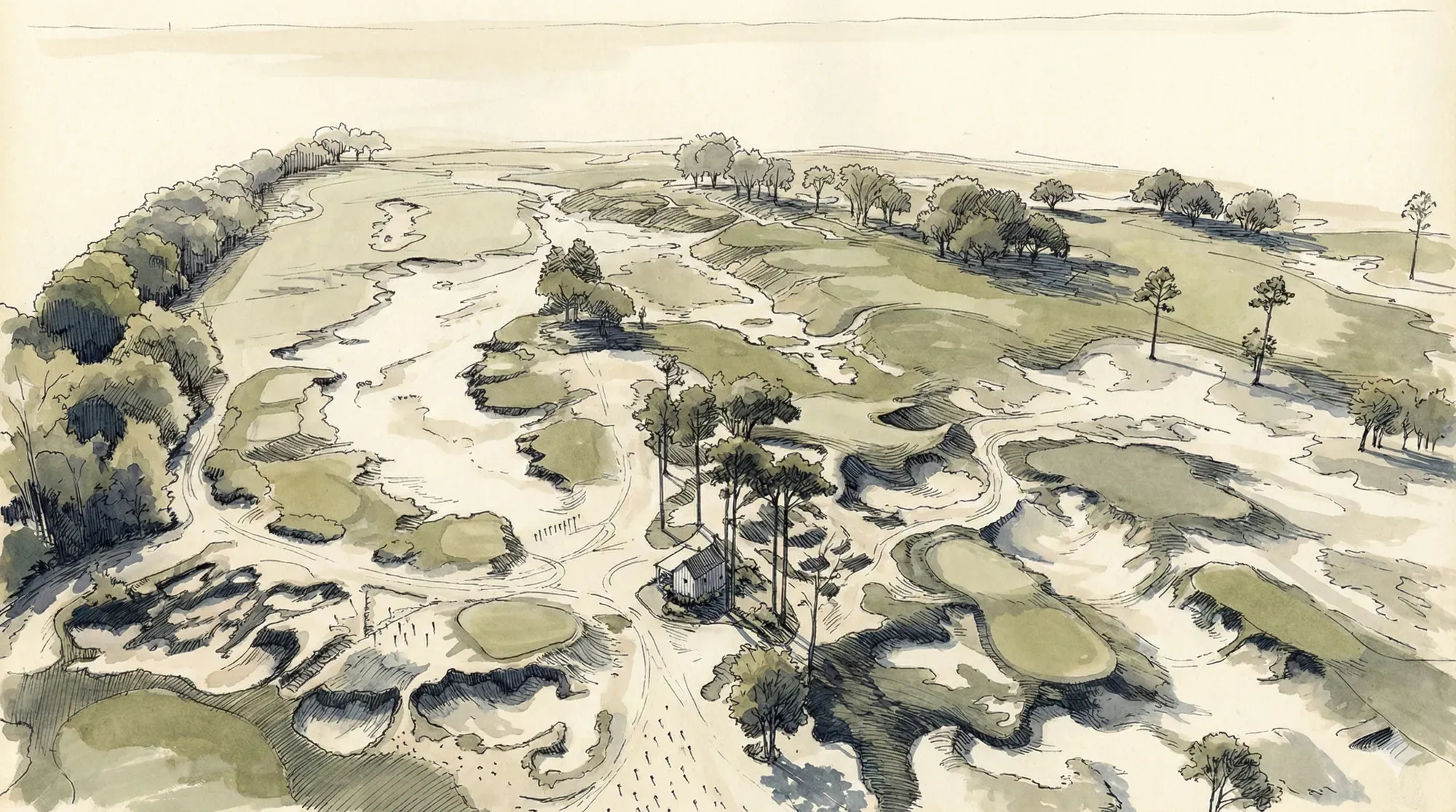
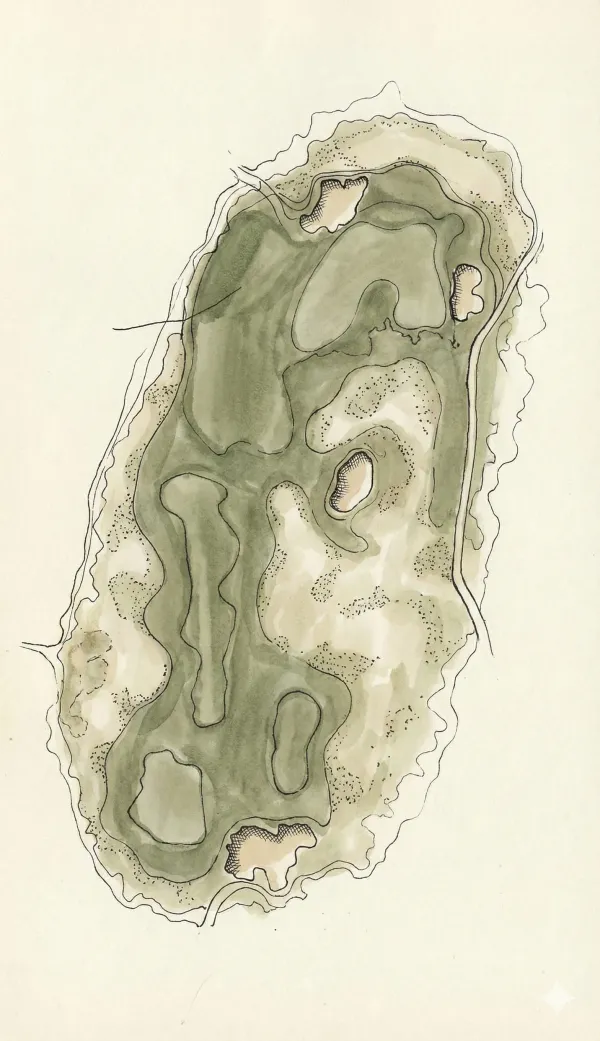
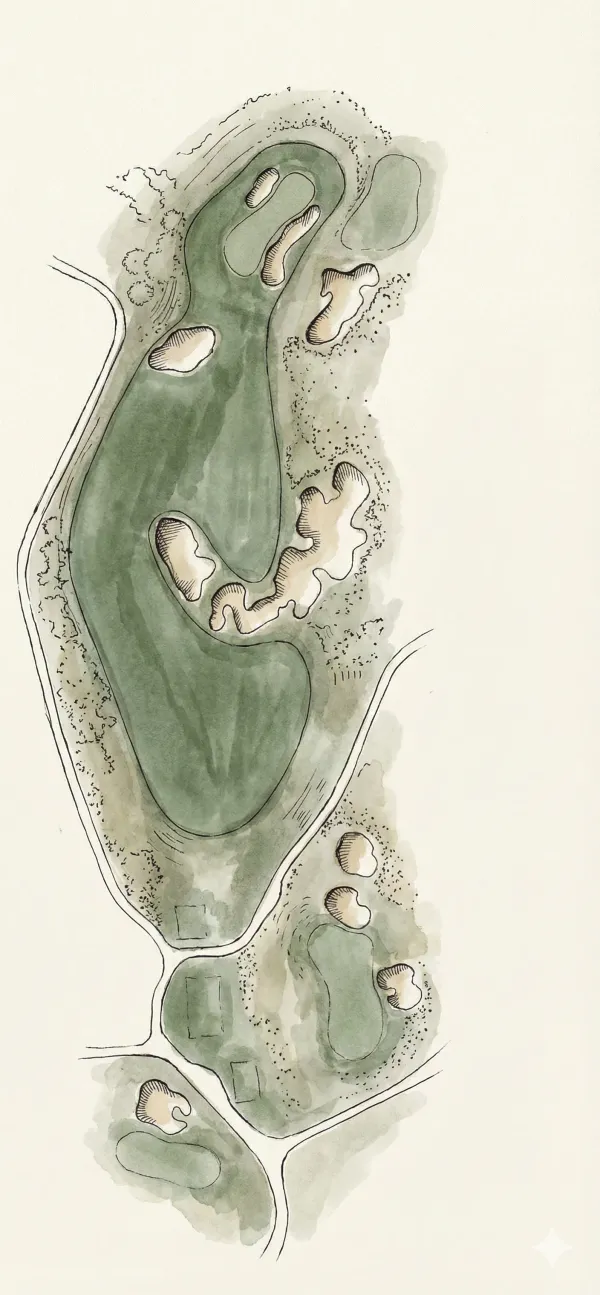
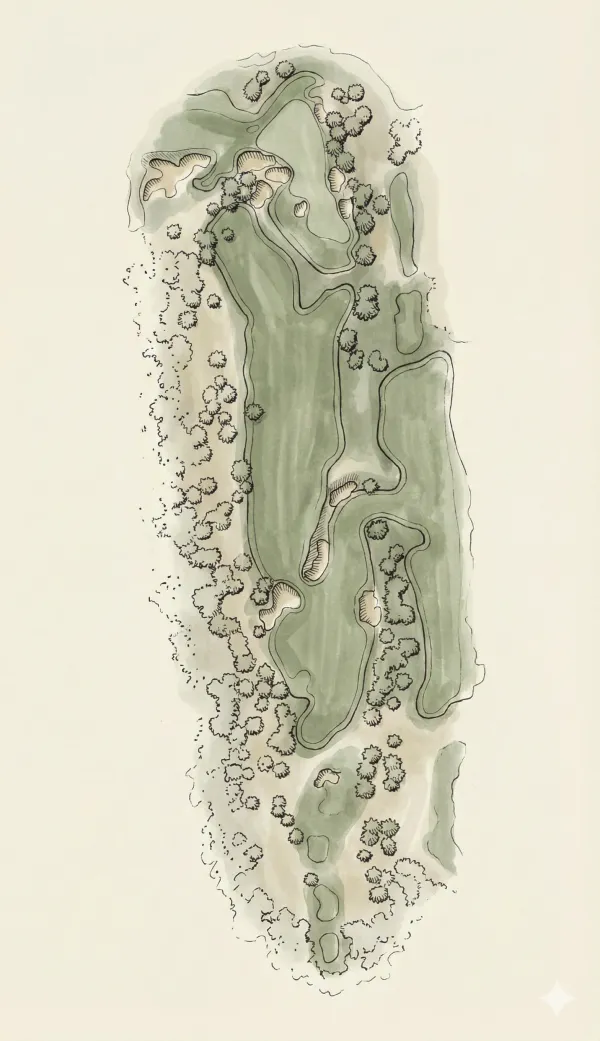
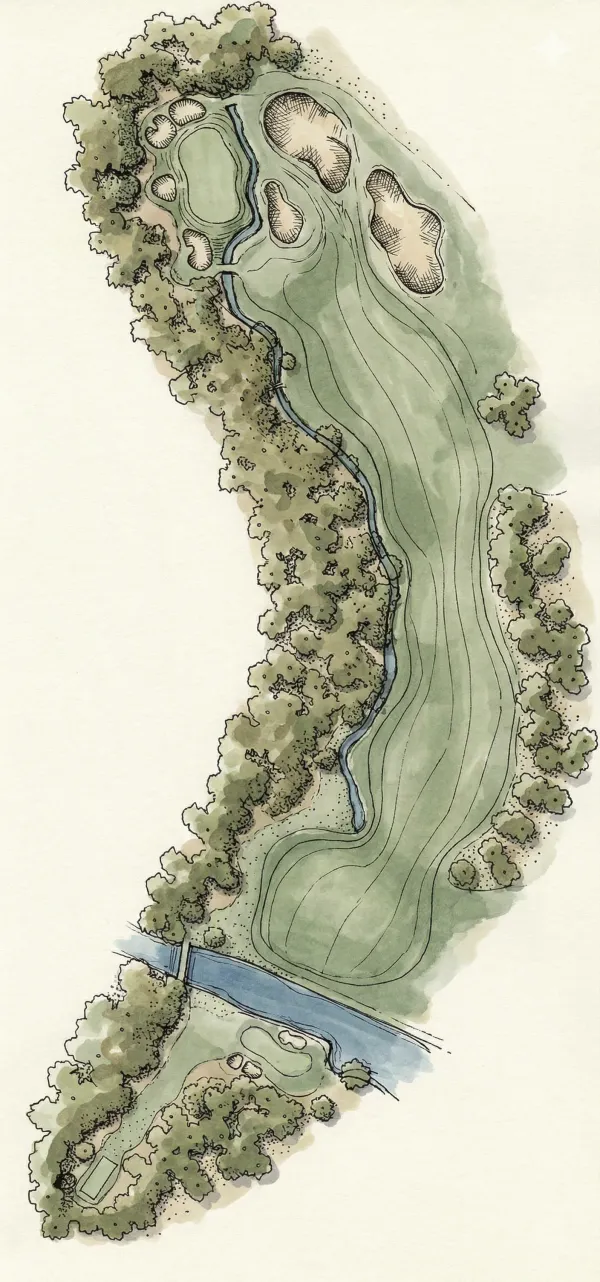
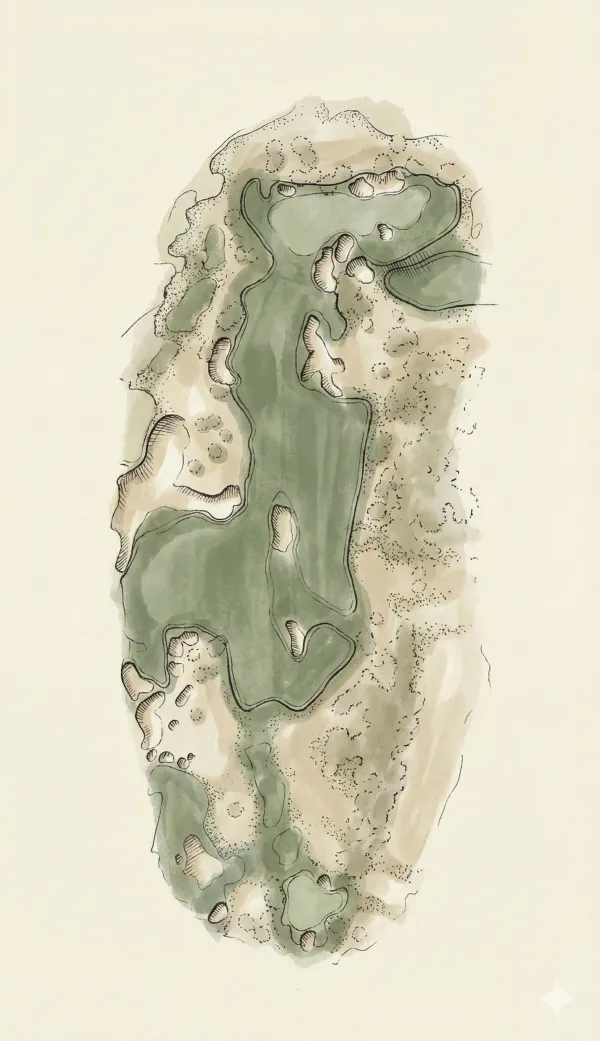
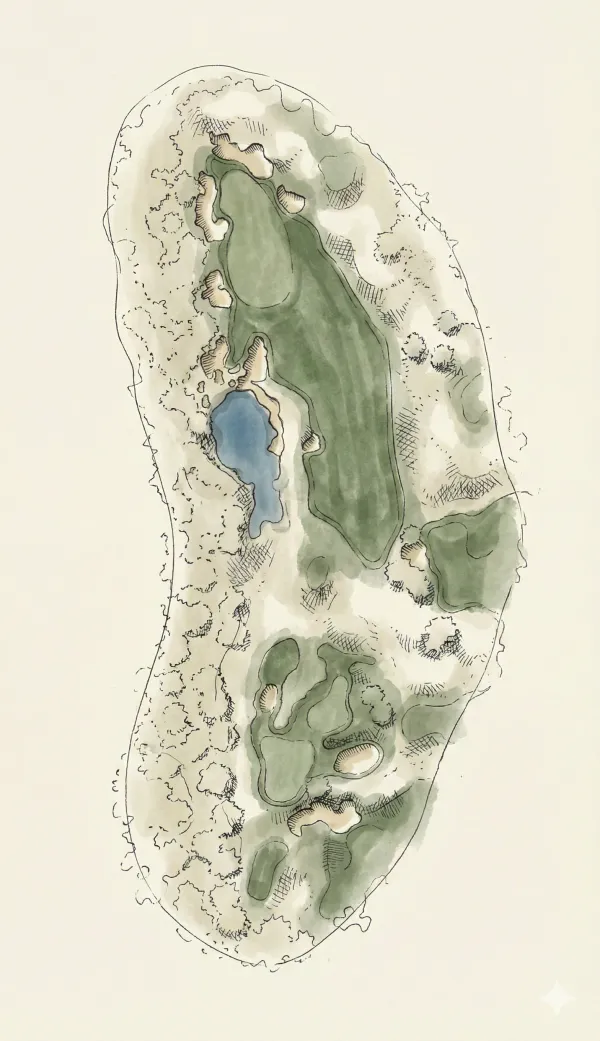
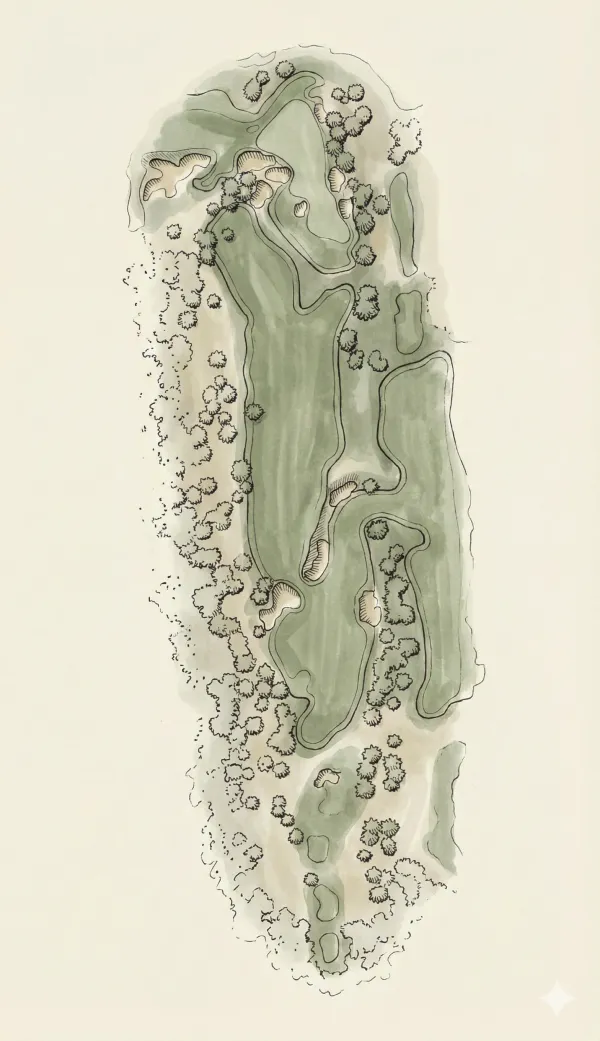
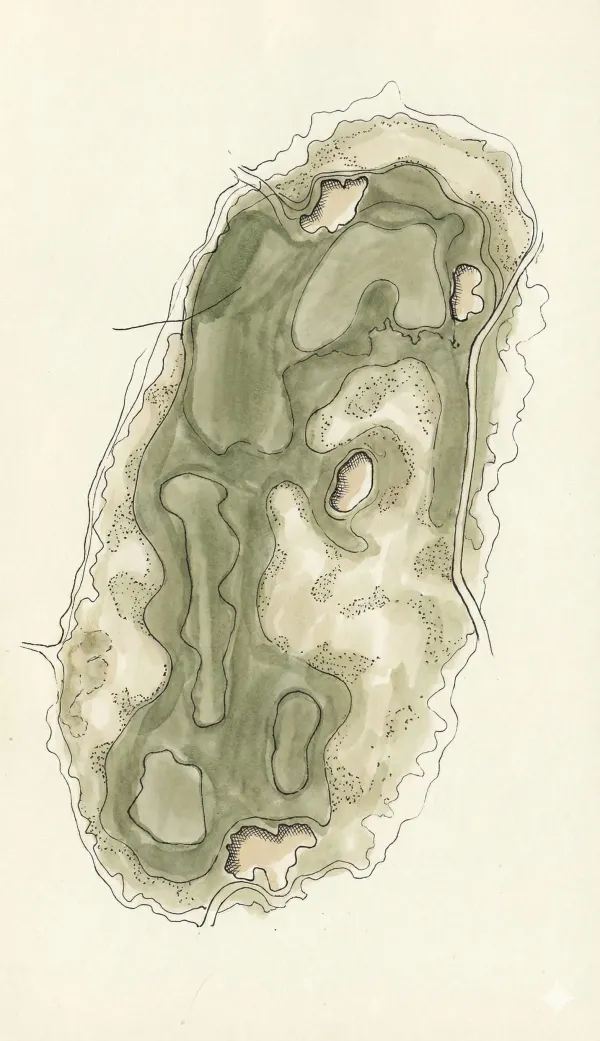
The transformation of the site formerly known as World Woods into Cabot Citrus Farms is not a renovation; it is a resurrection of the sand. Specifically, on The Karoo course, architect Kyle Franz has stripped away the overgrowth to reveal a landscape of jagged waste bunkers and immense scale. The result is a course that feels less like Florida and more like the heathlands of Surrey or the sandbelt of Melbourne, dropped inexplicably into the humid South. The turf is firm, encouraging the ball to run, and the corridors are wide enough to house a small village, yet the optimal line is often perilously close to the trouble.
Franz employs geometry with a heavy hand. The fairways are not ribbons but vast plains, cambered to shunt the indifferent shot into sandy graves. The green complexes are bold, featuring shelves and spines that reject the tentative approach. It is a place where the ground game is not just an option but a requirement, forcing the player to read the contours of the earth rather than simply calculating a carry distance. The wind drifts through the pines, heavy and hot, adding an invisible layer of defense to a course that already demands distinct mental clarity.