Lunchball
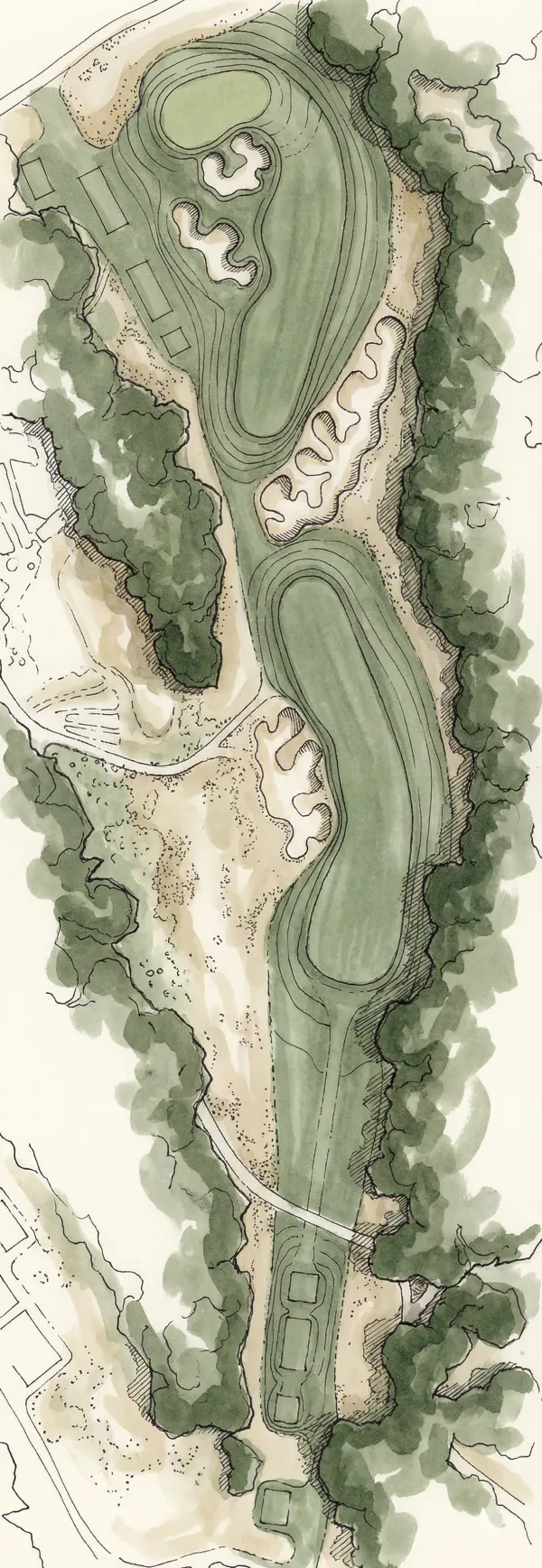
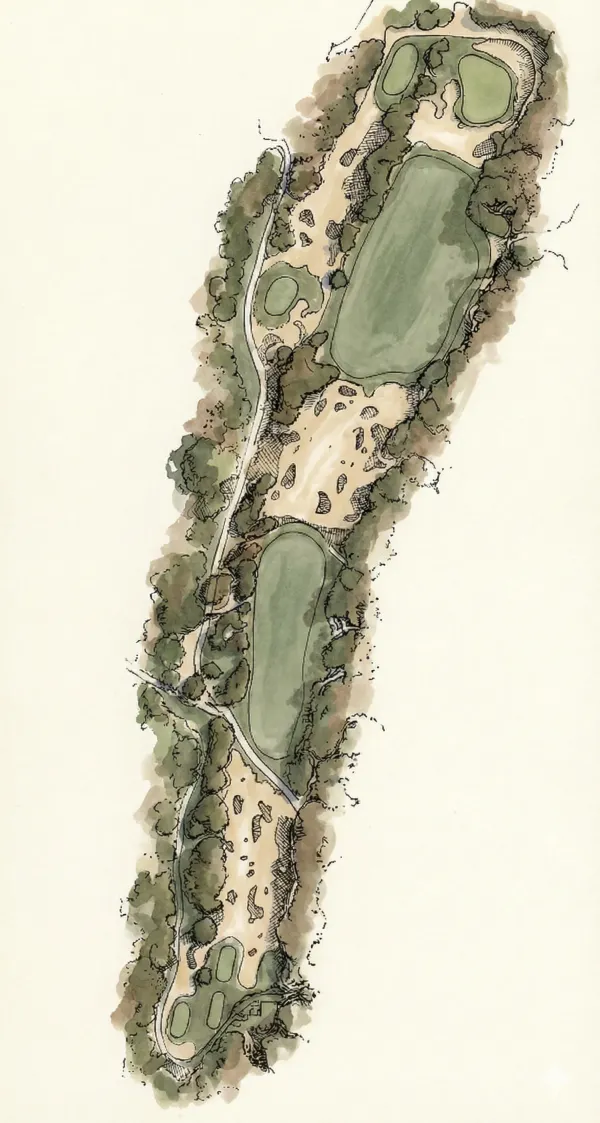
The sign posted at the first tee does not boast; it merely advises. The Black Course Is An Extremely Difficult Course. This is no marketing ploy conceived in a boardroom, but a plain truth etched into the Long Island soil. Born of the Depression and the WPA, A.W. Tillinghast carved these fairways from the heavy, rolling woodland, creating a landscape that respects neither reputation nor handicap. It is a walk that demands endurance before skill—a march through a parkland that feels less like a game and more like a penance.
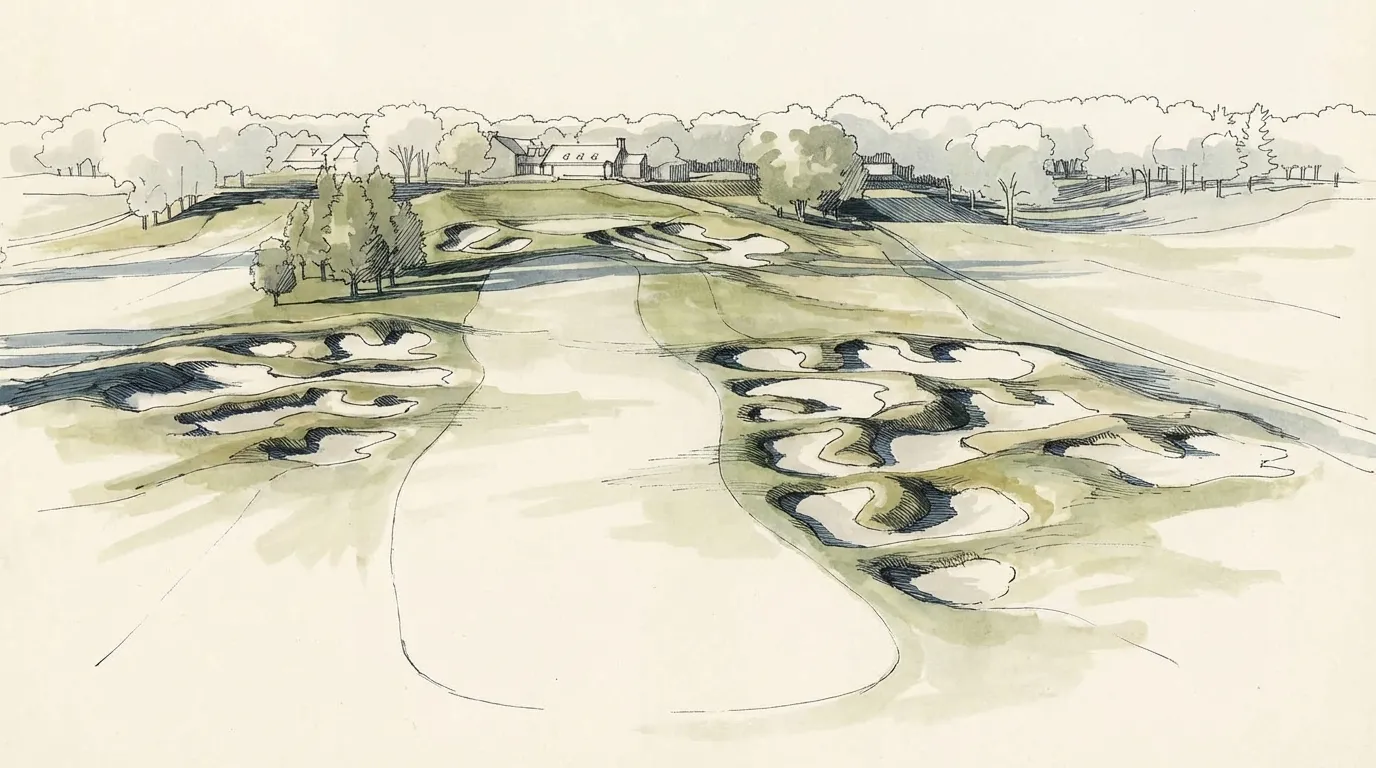
The architecture here is Tillinghast at his most muscular. He abandoned the subtle ground game for a campaign of intimidation. The bunkers are not mere hazards but sprawling scars upon the earth; the greens sit high upon shelves, repelling all but the most towering approaches. It is a place where the Wall Street broker and the local tradesman suffer equally in the thick fescue. The course offers no quarter. It asks for power, and when power fails, it exacts a heavy toll on the scorecard and the legs alike.